




By: Wali, Yahia, Rangraze, Porntaveetus, Mohamed, Mohamed Anas, Satyam, Syed Arman, Adil Farooq, Imran Rashid, Rasha, Rabbani, Babiker, Thantrira, Patni, Shakta Mani, El-Tanani
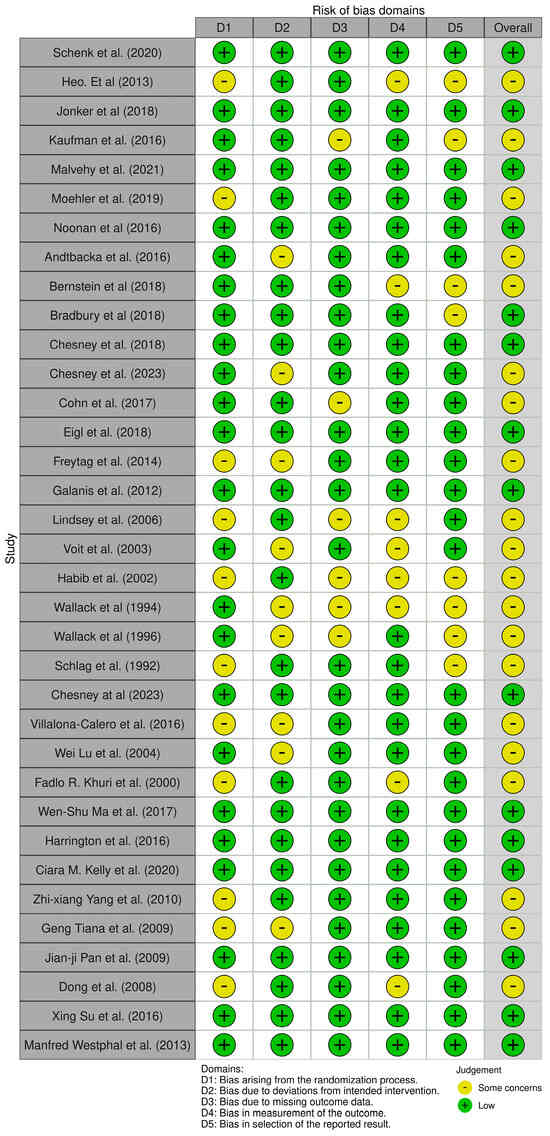
Background: Oncolytic virus (OV) therapy couples direct tumor lysis with systemic immune priming, yet clinical benefit remains heterogeneous and the predictive biomarker landscape is poorly defined. We undertook a systematic review and meta-analysis to quantify the efficacy and safety of OV therapy in solid tumors and to synthesize current evidence on response-modulating biomarkers. Methods: Following PRISMA 2020 guidelines, MEDLINE, Embase, Cochrane CENTRAL, ProQuest and Scopus were searched from inception to May 2025. Phase II–III randomized trials of genetically engineered or naturally occurring OV reporting objective response rate (ORR), progression-free survival (PFS), overall survival (OS) or biomarker data were eligible. Hazard ratios (HRs) or odds ratios (OR) were pooled with random-effects models; heterogeneity was assessed with I2 statistics. Qualitative synthesis integrated genomic, immunologic and microbiome biomarkers. Results: Thirty-six trials encompassing around 4190 patients across different tumor types met inclusion criteria. Compared with standard therapy, OV-based regimens significantly improved ORR nearly three-fold (pooled OR = 2.77, 95% CI 1.85–4.16), prolonged PFS by 11% (HR = 0.89, 95% CI 0.80–0.99) and reduced mortality by 16% (OS HR = 0.84, 95% CI 0.72–0.97; I2 = 59%). Benefits were most pronounced in melanoma (ORR 26–49%; OS HR 0.57–0.79) and in high-dose vaccinia virus for hepatocellular carcinoma (HR = 0.39). Grade ≥ 3 adverse events were not increased versus control (risk ratio 1.05, 95% CI 0.89–1.24); common toxicities were transient flu-like symptoms and injection-site reactions. Biomarker synthesis revealed that high tumor mutational burden, interferon-pathway loss-of-function mutations, baseline CD8+ T-cell infiltration, post-OV upregulation of IFN-γ/PD-L1, and favorable gut microbial signatures correlated with response, whereas intact antiviral signaling, immune-excluded microenvironments and myeloid dominance predicted resistance. Conclusions: OV therapy confers clinically meaningful improvements in tumor response, PFS and OS with a favorable safety profile. Integrating composite genomic–immune–microbiome biomarkers into trial design is critical to refine patient selection and realize precision viro-immunotherapy. Future research should prioritize biomarker-enriched, rational combination strategies to overcome resistance and extend benefit beyond melanoma.