




By: Oli Goswami, Arpan Mazumdar Sr., Bhaskar Mukherjee, Kaustav Bairagi, Bhaswat Das, Arpan Mazumdar
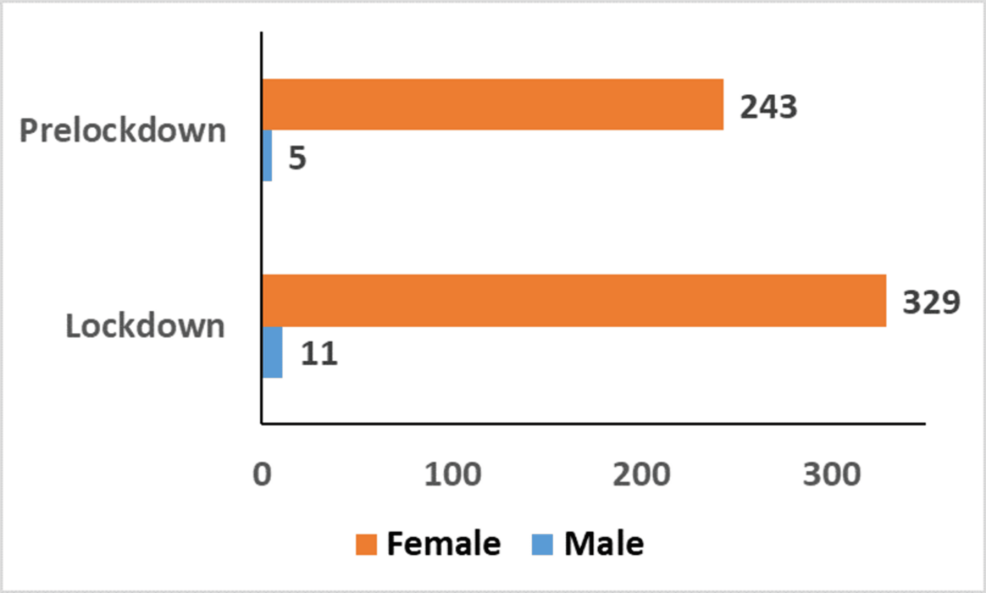
Background: Child sexual abuse is an issue of global concern, adversely affecting a child’s normal maturation and development. The COVID-19 pandemic caused a health and economic crisis, confinement of the masses, and sexual exploitation.Purpose: This was a comparative analysis of the survivors under the POCSO Act (Protection of Children from Sexual Offences Act, 2012, Amdt.2019) between the lockdown and pre-lockdown periods of the same duration, in terms of number of cases, demographic details, reporting time, and patterns of injuries.Methods: Hospital-based descriptive epidemiological study using secondary data of child sexual abuse survivors from 25/03/2017 to 14/02/2019 and from 25/03/2020 to 14/02/2022. Data distribution was represented in terms of frequencies and percentages. Association and effect size between the various input variables were analyzed using Cliff's delta method and chi-square test, considering a p-value of less than 0.05 to be statistically significant.Results: There was a 53.7% increase in cases in the lockdown period. Consent rate for medical examination dropped from 70.9% to 63.1% during the lockdown. 96.7% and 97.9% were females in the lockdown and pre-lockdown periods, respectively. The highest number of cases was reported in 24-48 hours in the pre-lockdown period as compared to 48-72 hours in the lockdown period. The pre-lockdown period showed rural preponderance. There was a rise in survivors in the age group of zero to six years to 12.3% in the lockdown period. Known faces dominated as perpetrators in both periods.Conclusion: The study revealed an alarming rise in child sexual abuse during COVID-19, calling for strict interventions. It is the duty of society to protect children's basic rights for a better and prosperous future.