By: Bruce Dorminey
Tiny fossils from Earth's deep past may reveal when cellular complexity first emerged. Their survival could reshape both evolutionary history and astrobiology. Credit: Shutterstock

Bruce Dorminey is a Senior Contributor at various outlets, where he specializes in aerospace and astronomy. An award-winning science journalist and author of "Distant Wanderers: the Search for Planets Beyond the Solar System," Bruce covers a range of topics including NASA, space travel, and the natural sciences. He has been featured in NewsBreak, Forbes, Space Today, Live Science, SciTechDaily, and Universe Today.
Preston is the artificial intelligence that powers the Intelligent Relations PR platform. Meet Preston

Not enough data
Bruce Dorminey's coverage indicates a strong inclination towards in-depth, data-driven scientific reporting with a focus on astronomy, space exploration, exoplanets, astrobiology and the European Space Agency (ESA). He appears to heavily rely on data and official announcements for his articles. When reaching out to him, consider providing scientifically sound research or insights supported by credible data.
Experts in relevant fields such as astrophysics, planetary science, astrobiology or individuals directly involved in space missions could be valuable sources for Bruce's articles. Given his emphasis on official announcements and press releases, connecting him with authorities from organizations like ESA might also be beneficial.
This information evolves through artificial intelligence and human feedback. Improve this profile .



By: Bruce Dorminey
Tiny fossils from Earth's deep past may reveal when cellular complexity first emerged. Their survival could reshape both evolutionary history and astrobiology. Credit: Shutterstock
By: Bruce Dorminey
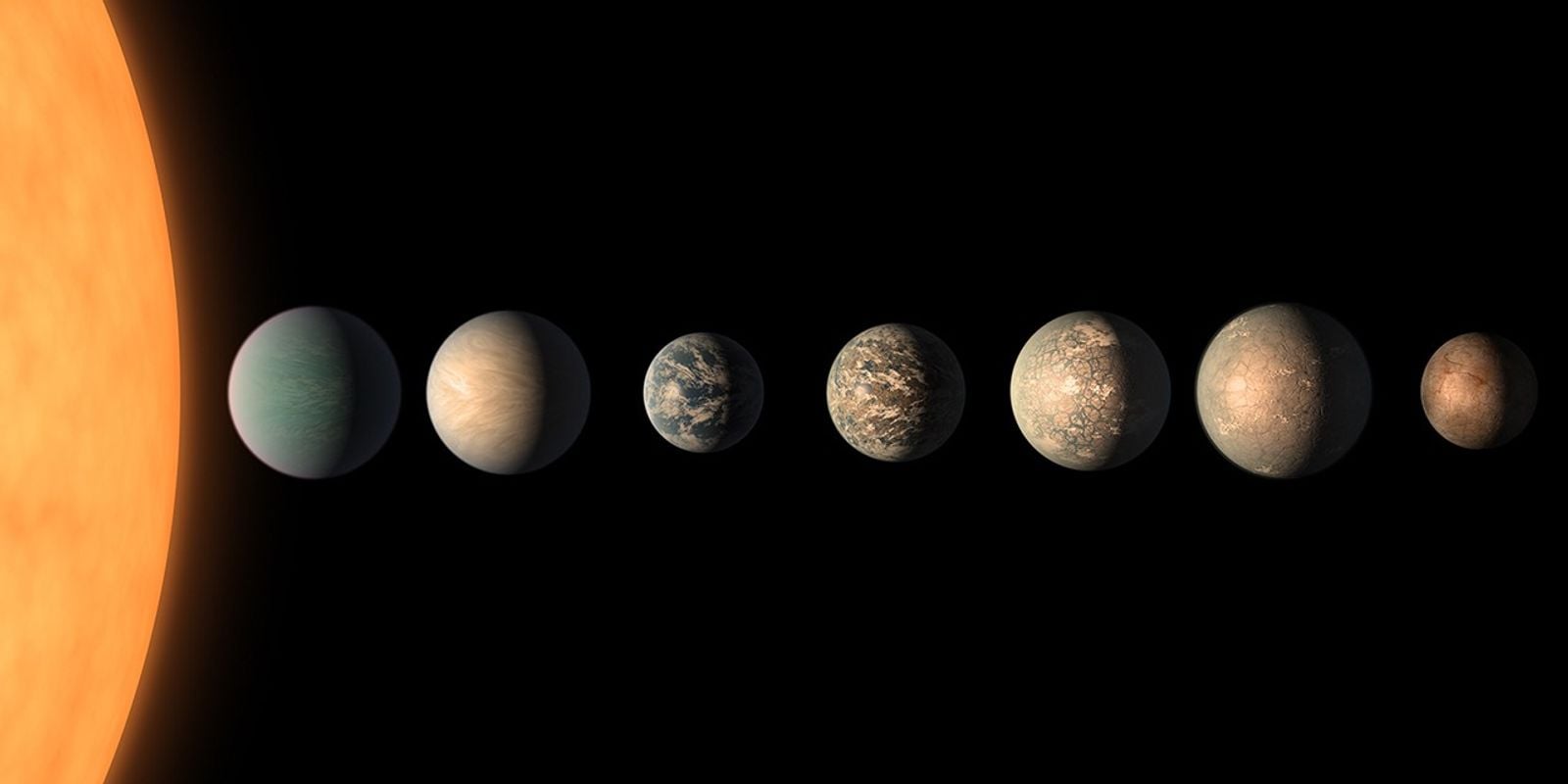
Astrobiology is at its core an interdisciplinary endeavor. But frustratingly, there is still not enough cross communication between
By: Bruce Dorminey
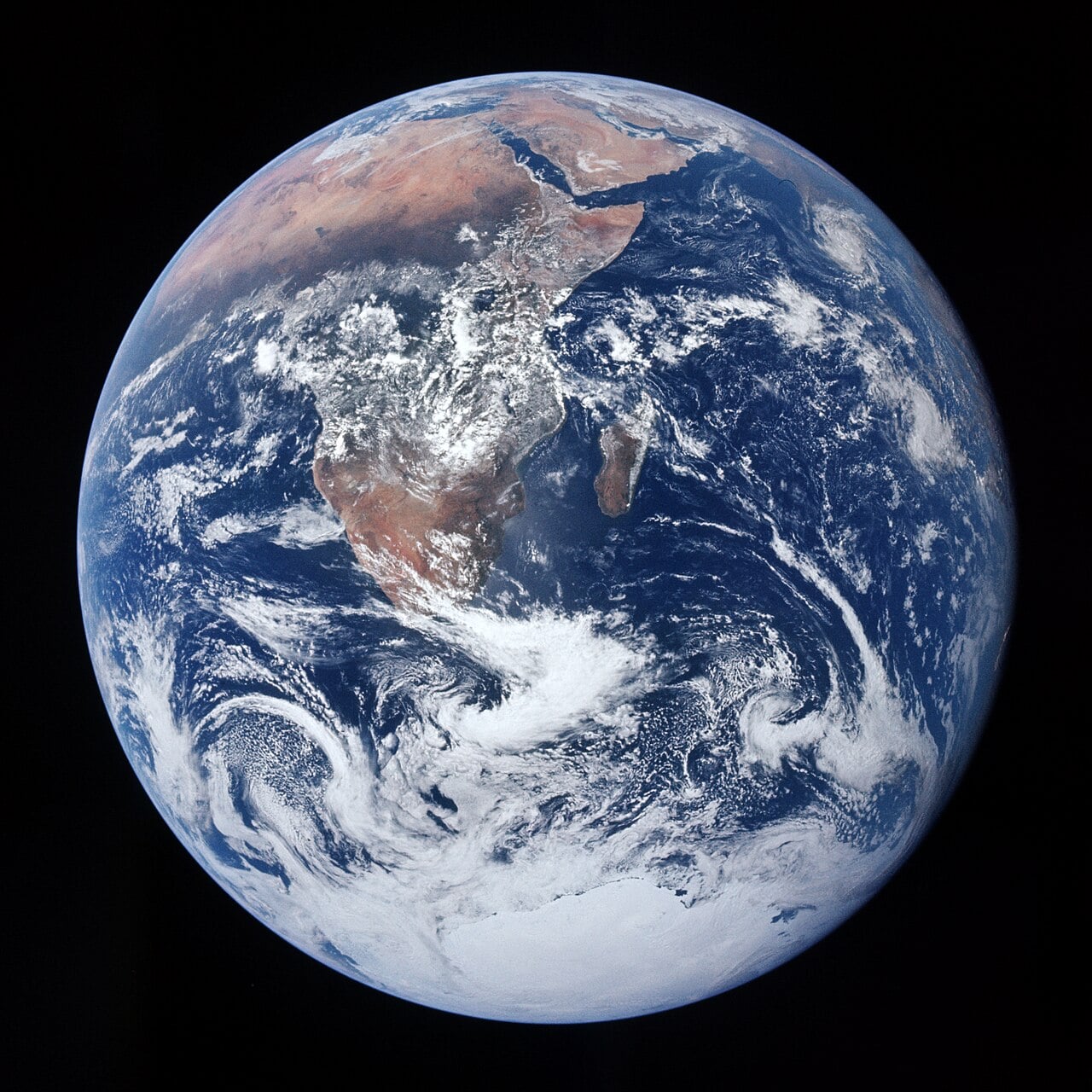
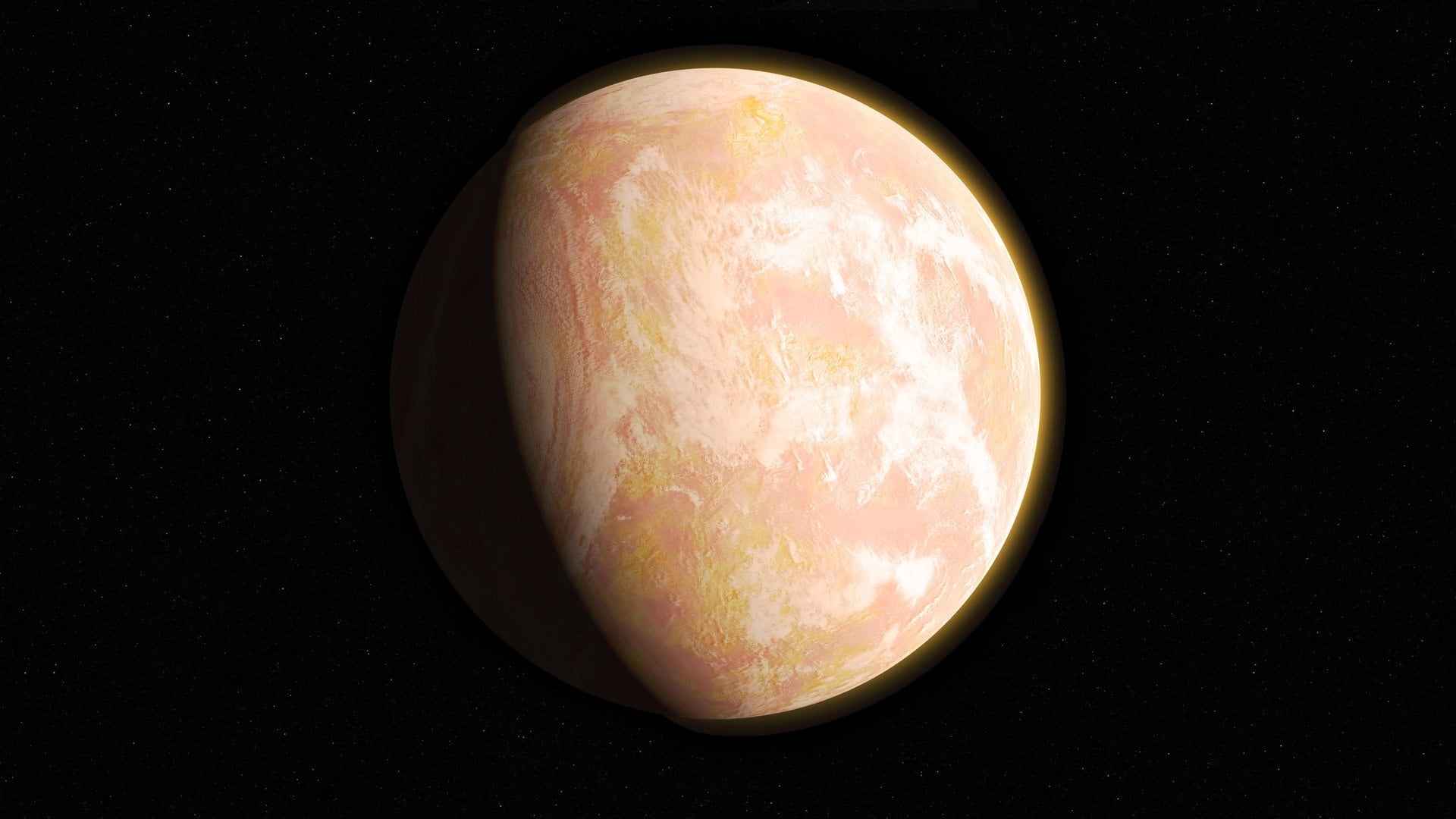
Push back the tape of Earth's history, and both geologists and astrobiologists remain roundly perplexed as to the environmental conditions of our earliest Earth.
This is an image of the 2024 version of the MMX spacecraft during MOI (Martian Orbit Insertion). Credit: JAXA
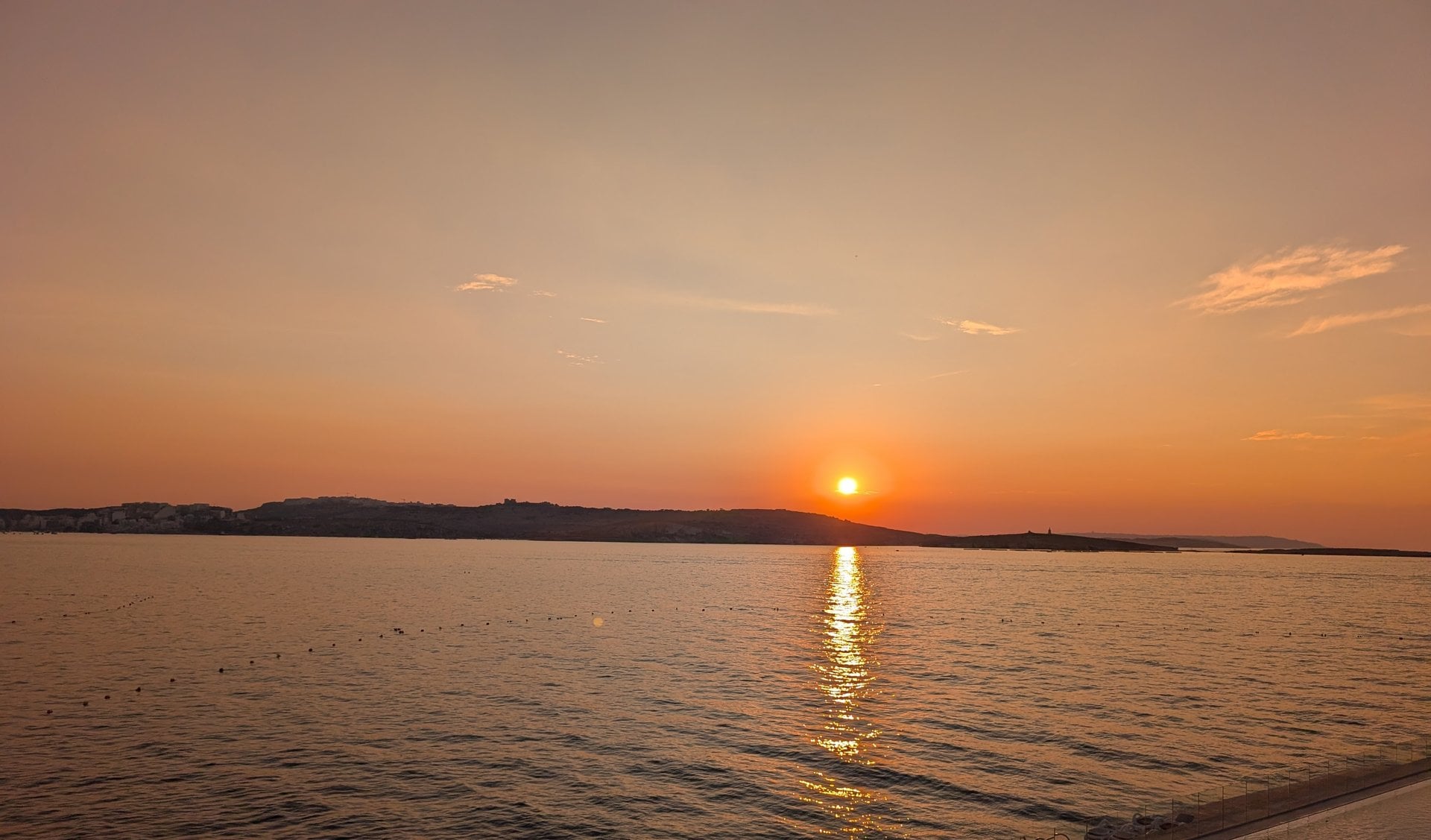
Malta might be the last place one might expect there to be a convergence of archeoastronomy and early cosmology.
By: Bruce Dorminey
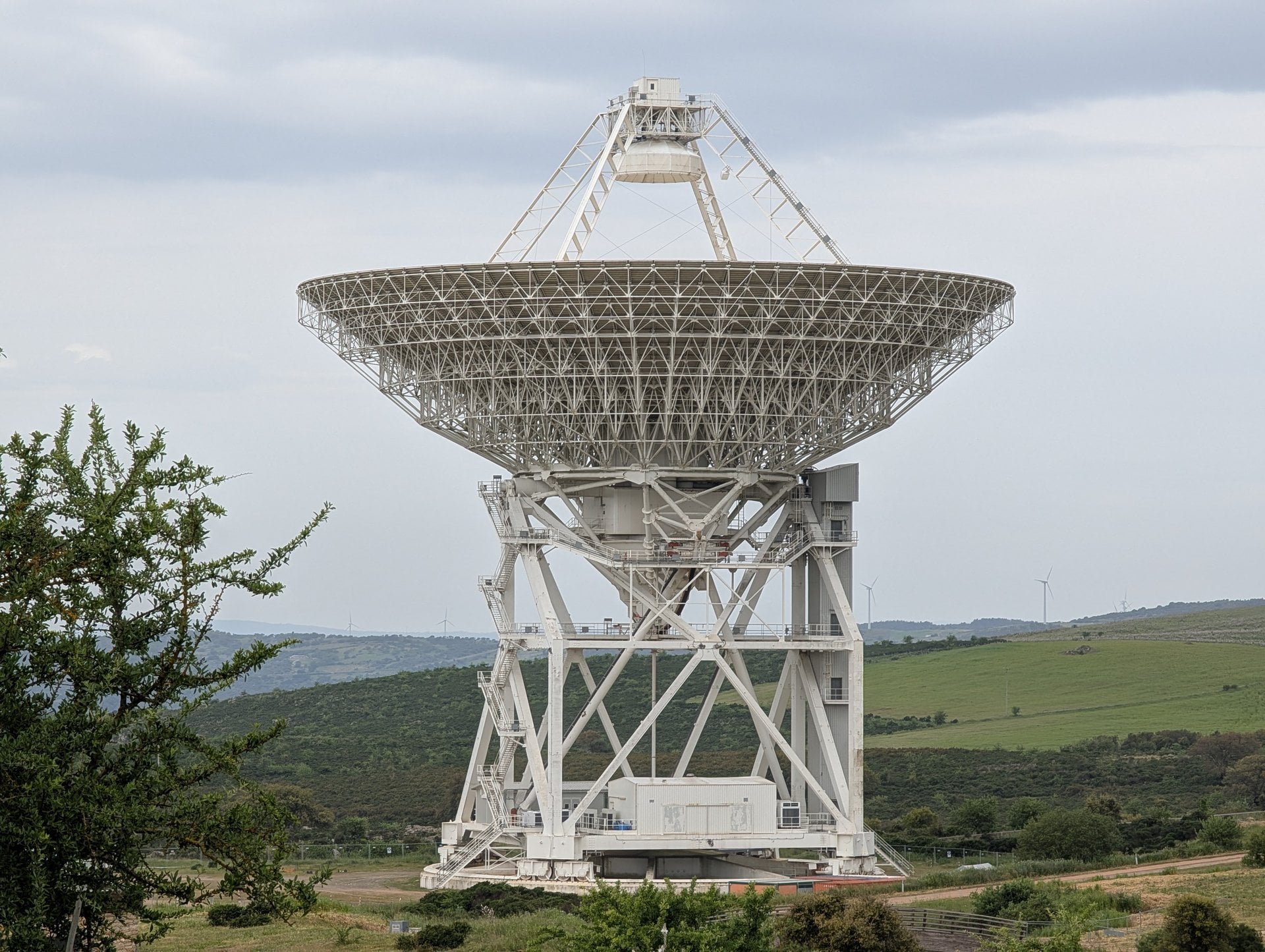
It's a tough, winding haul to reach the Sardinia Radio Telescope (SRT). An hour or so inland from the hardscrabble Italian port city of Cagliari, its
After decades of hypothesizing about the origin of life here on Earth, at least one astrobiologist and colleagues are still puzzled by two major conundrums.
Over the last three decades, computer models of forming planetary systems have gone from being fairly crude replications to sophisticated simulations using thousands of different initial starting points.
By: Bruce Dorminey
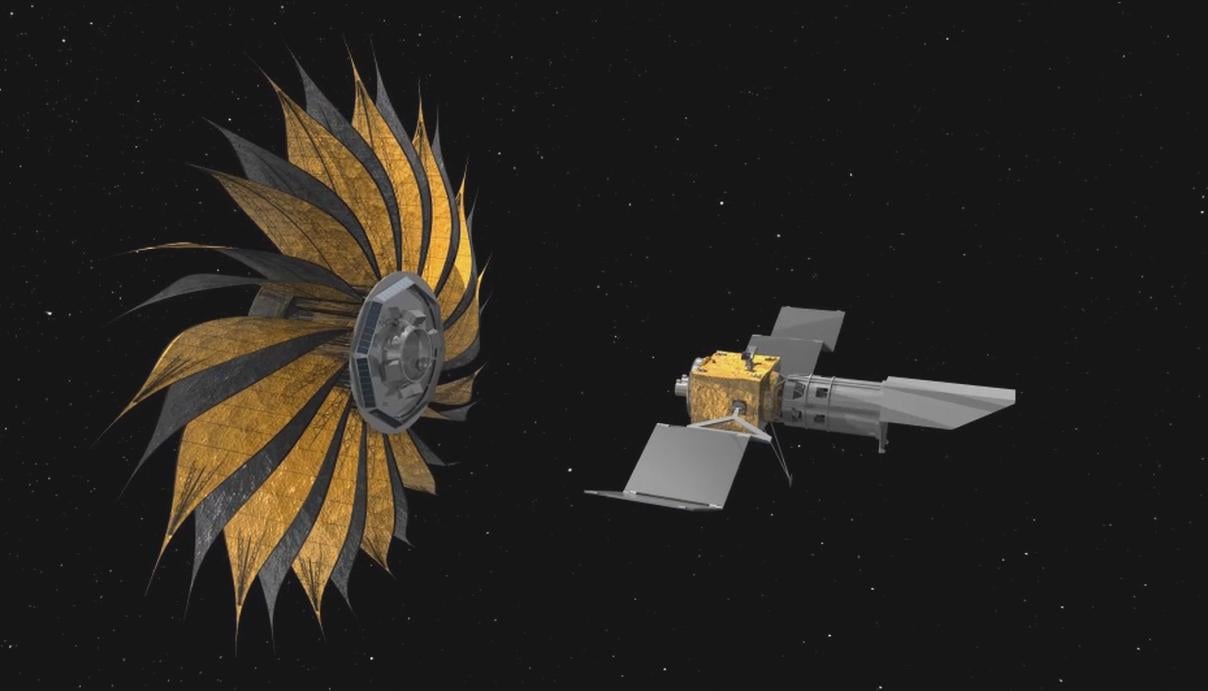
A NASA-led team is hoping to take a short cut in directly imaging extrasolar earthlike planets.
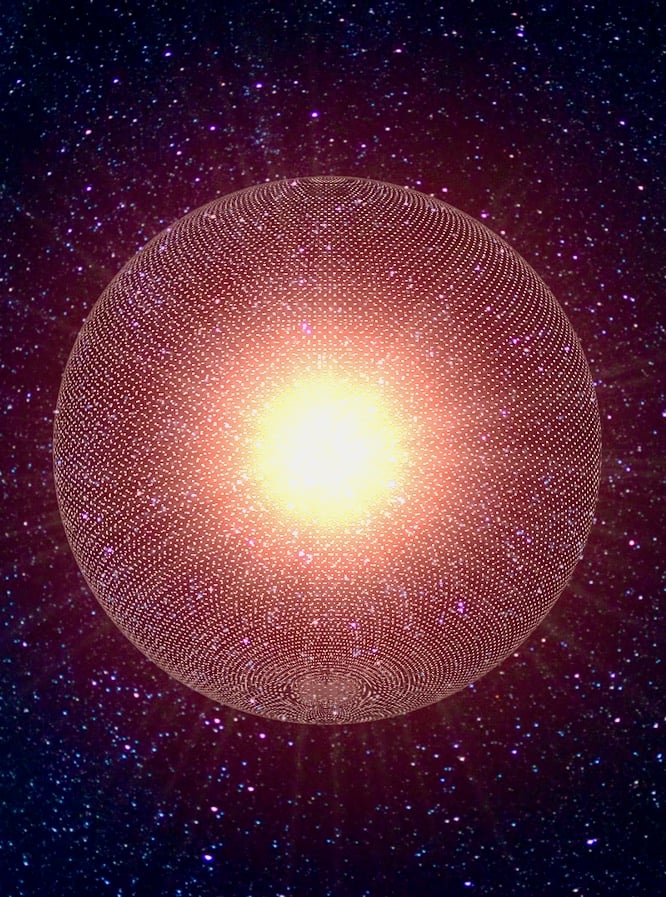
The latest Swedish-led search for technosignatures in the form of Dyson Spheres has again come up empty-handed.