By: Gaut, Kuhn, Smither, Diamond, David A., Christina A., Hunter W., Joseph P., Collins, Madeleine R., Michael S., Hunstad
Reply to Possenriede et al.: LDLR as a targetable HlyA receptor in Escherichia coli pyelonephritis

Christina A. is a Reporter at the Associated Press. She covers national politics, focusing on democracy and elections, with a particular emphasis on election administration, voting, and election security. Christina's work has been featured in numerous prestigious outlets, including The Washington Post, Chicago Tribune, and The Seattle Times.
Preston is the artificial intelligence that powers the Intelligent Relations PR platform. Meet Preston
United States (National)

Not enough data
Christina's coverage is primarily focused on government, politics, and legal policy regulation. She seems to be interested in stories related to election processes, voting equipment access issues, and political developments.
Given the focus on legal policy regulation and government announcement attributes, Christina might be particularly responsive to pitches that offer expert commentary or analysis of evolving political stories. Additionally, she may also welcome data-driven insights into topics such as election conspiracy theories or voting-related controversies.
Since her geographic focus is not specified but the coverage includes US-specific political events like GOP presidential contests and Georgia elections indictment, it can be inferred that she covers a broad range of national-level politics without specific regional limitations.
This information evolves through artificial intelligence and human feedback. Improve this profile .

By: Gaut, Kuhn, Smither, Diamond, David A., Christina A., Hunter W., Joseph P., Collins, Madeleine R., Michael S., Hunstad
Reply to Possenriede et al.: LDLR as a targetable HlyA receptor in Escherichia coli pyelonephritis

By: Williams, Ryan J., Lauren H., Bills, Moreno, Yorgason, Steffensen, Obray, Weber, Hope, Pacen E., Jordan T., Christina A., Kyle B., Ford, Brundage, Clarke, Scott C., K. Scott, J. Daniel, Carlos M., Sandra, James N., Folsom, Travis J., Nelson
Background/Objectives: Microglia are the primary immune cells in the central nervous system (CNS) and are known as “resident” macrophages. The aim of this study was to determine the effect of acute ethanol (EtOH) on the microglia state and monocyte infiltration into the CNS, with particular attention to the role of peripheral and central dopamine (DA) D2 receptors (D2Rs) in mediating EtOH effects on peripheral and central substrates. We hypothesize that EtOH interacts with peripheral immune mediators via D2Rs including monocyte-derived macrophages (MDMs) to modulate midbrain neurons, DA transmission in the mesolimbic pathway from the ventral tegmental area (VTA) to nucleus accumbens (NAc), and the intoxicating effects of acute EtOH. Methods: Using the Macrophage FAS-Induced Apoptosis (MaFIA) mouse model (GFP+ on Csf1r promoter), we assessed the effects of three intraperitoneal (IP) doses of EtOH (1, 2, and 4 g/kg) at three time points (0.5, 1, and 2 h after injection) on D2R expression in blood leukocytes and microglia, as well as midbrain neuronal activity, DA release, and behavior. Results: Acute EtOH significantly enhanced lymphocyte and monocyte D2R expression at 1.0 g/kg by 2 h after injection in vivo but decreased D2R expression in vitro. Ethanol enhanced microglia D2R expression in the NAc, while not altering D2R expression in the VTA, but altered the microglia state in these areas, shifting them toward an inflammatory phenotype. Acute EtOH induced prolonged and progressive hypersensitivity of D2R activation of VTA GABA neurons. Intravenous injection of the macrophage depleter liposomal clodronate significantly reduced blood macrophages by 55.3% and blocked the typical inhibition of VTA GABA neurons by EtOH, as well as the enhancement of DA levels in the NAc, and the locomotor indices of intoxication produced by acute EtOH, but not choice place preference. Conclusions: These findings strongly suggest a neuroimmune peripheral connection for acute low-dose EtOH use and challenge the dogma that central actions of EtOH exclusively mediate its effect on DA neuronal activity and release.
By: Castillo, Santosh K., Gautam, Molinaro, William E., Christina A., Pater, Jailene P.
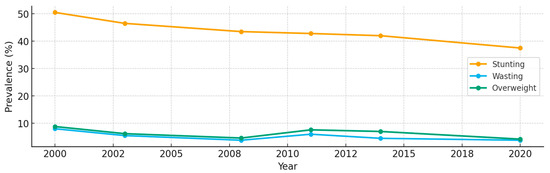
Background: Child stunting and wasting persist at alarmingly high rates in Mozambique, yet little is known about whether the improved sources of water and sanitation affect these outcomes differently. This study aims to disentangle the distinct contributions of improved water sources and sanitation facilities to child stunting and wasting at the national level, addressing a critical evidence gap in the WASH–nutrition literature in Mozambique. Methods: Using data from 3690 children under five in the 2022–2023 Mozambique Demographic and Health Survey, we applied stepwise logistic regression models to estimate the independent and combined associations of improved drinking water and sanitation facilities with child stunting and wasting, adjusting for child-, household-, and region-level factors. Results: Improved water access was significantly associated with a lower risk of stunting (odds ratio = 0.80, 95% CI: 0.67–0.94, p < 0.01), while sanitation showed only weak and inconsistent associations with stunting. In the fully adjusted model, neither improved water nor sanitation was associated with wasting. Wealth, gender, religion, and region were also significant predictors of stunting as well as wasting. Conclusions: These findings indicate that WASH components protect against child malnutrition through different pathways, with water being more protective against chronic undernutrition and sanitation less clearly linked to acute malnutrition. Broader socioeconomic and cultural factors—such as wealth, religion, and geography—play critical roles, highlighting the need for integrated, context-specific interventions.

By: Gautam, Santosh K., Castillo, William E., Christina A., Molinaro, Jailene P., Pater
In the original publication [...]

By: Antigoni, Argyrios, Tsakalis, Stavrou, Kousparou, Christina A.
Diabetic nephropathy (DN) remains the leading cause of end-stage renal disease (ESRD) worldwide, primarily affecting individuals with Type 2 Diabetes Mellitus (T2DM). While traditional risk factors—such as hypertension, poor glycemic control, and dyslipidemia—are well known, recent research has illuminated the pivotal role of inflammation in DN pathogenesis. Inflammatory processes involving chemokines, cytokines, immune cell infiltration, and pro-fibrotic signaling pathways (e.g., NFκB, JAK/STAT) contribute significantly to glomerular and tubulointerstitial damage. Key immune players include macrophages and T lymphocytes, particularly CD4+ T cells, which correlate with disease severity and progression. Serum Amyloid A (SAA), an acute-phase reactant traditionally associated with Serum Amyloid A Amyloidosis (AA amyloidosis), has emerged as both a biomarker and active mediator of renal inflammation in DN. SAA promotes cytokine release, leukocyte recruitment, and extracellular matrix remodeling, contributing to glomerular and tubular injury. Elevated Saa3 expression in experimental models correlates with DN progression, while activation of the advanced glycation end products and the receptors for advanced glycation end products (AGE–RAGE) axis in podocytes enhances SAA upregulation and inflammatory signaling. Increasing evidence now indicates that SAA functions, not only as a marker of systemic inflammation, but also as a mechanistically significant driver of intrarenal injury, bridging metabolic dysregulation with sustained inflammatory and fibrotic signaling. Emerging therapeutic approaches—including interleukin 6 (IL-6) blockade, inhibition of AGE formation, targeted anti-fibrotic agents, and recently developed SAA-directed RNA or peptide therapeutics—underscore the therapeutic potential of modulating SAA activity in DN. Preclinical evidence further supports the efficacy of monoclonal antibodies, signaling inhibitors, and dietary anti-inflammatory compounds in mitigating renal injury. Collectively, these developments position SAA as a central mediator at the intersection of metabolic, inflammatory, and fibrotic pathways, highlighting its promise as both a diagnostic biomarker and a therapeutic target for early intervention in diabetic kidney disease.
By: Alyssa J., Christina A., Roberto
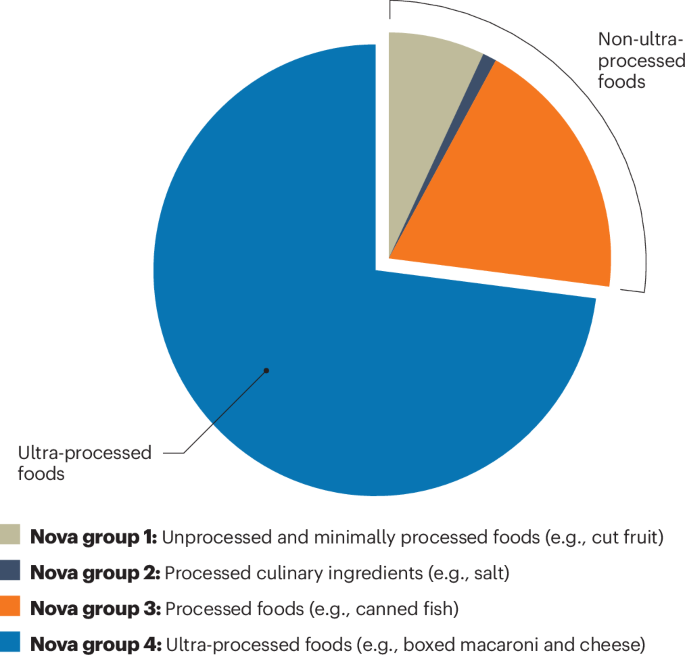
Defining non-ultra-processed foods, rather than ultra-processed foods, would better protect the public’s health.
By: Aman, Hien C., Mohammad, Nguyen, Castellani, Christina A., Krishna K., Singh, Qadura
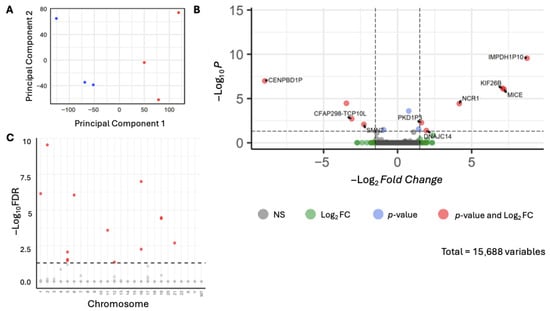
Background: Fatty acid-binding protein 3 (FABP3) is released in circulation following myocardial infarction, and an increased level of circulatory FABP3 has also been reported in peripheral artery disease patients, exposing endothelial cells to higher levels of FABP3. Recently, loss of endothelial FABP3 was shown to protect endothelial cells against inflammation-induced endothelial dysfunction; however, the effect of FABP3 exposure on endothelial cells is unknown. Accordingly, to study the effect of FABP3 exposure on endothelial cells, we performed transcriptomic profiling following recombinant human FABP3 (rhFABP3) treatment of endothelial cells. Methods: Cultured human endothelial cells were treated with either a vehicle or rhFABP3 (50 ng/mL, 6 h); then, RNA sequencing was performed. Gene expression analysis followed by gene ontology (GO) and Kyoto Encyclopedia of Genes and Genomes (KEGG) pathway analyses was performed to identify differentially expressed genes and affected cellular functions and pathways. Results: Differential gene expression analysis revealed kinesin family member 26b (KIF26B) to be the most upregulated and survival of motor neuron 2 (SMN2) to be the most downregulated genes in rhFABP3-treated compared to vehicle-treated endothelial cells. Most of the differentially expressed genes were associated with endothelial cell motility, immune response, and angiogenesis. GO and KEGG analyses indicated that rhFABP3 exposure impacts several crucial pathways, predominantly “Regulation of leukocyte mediated cytotoxicity” and “Natural killer cell mediated cytotoxicity”, suggesting its involvement in endothelial cell physiology and response mechanisms to cardiovascular stress. Conclusions: This is the first study to evaluate rhFABP3-induced transcriptomics in human endothelial cells. Our data reveal novel genes and pathways affected by the exposure of endothelial cells to FABP3. Further research is necessary to validate these findings and fully understand FABP3’s role in endothelial biology and in cardiovascular diseases like myocardial infarction and peripheral artery disease.
By: Eden Ayele
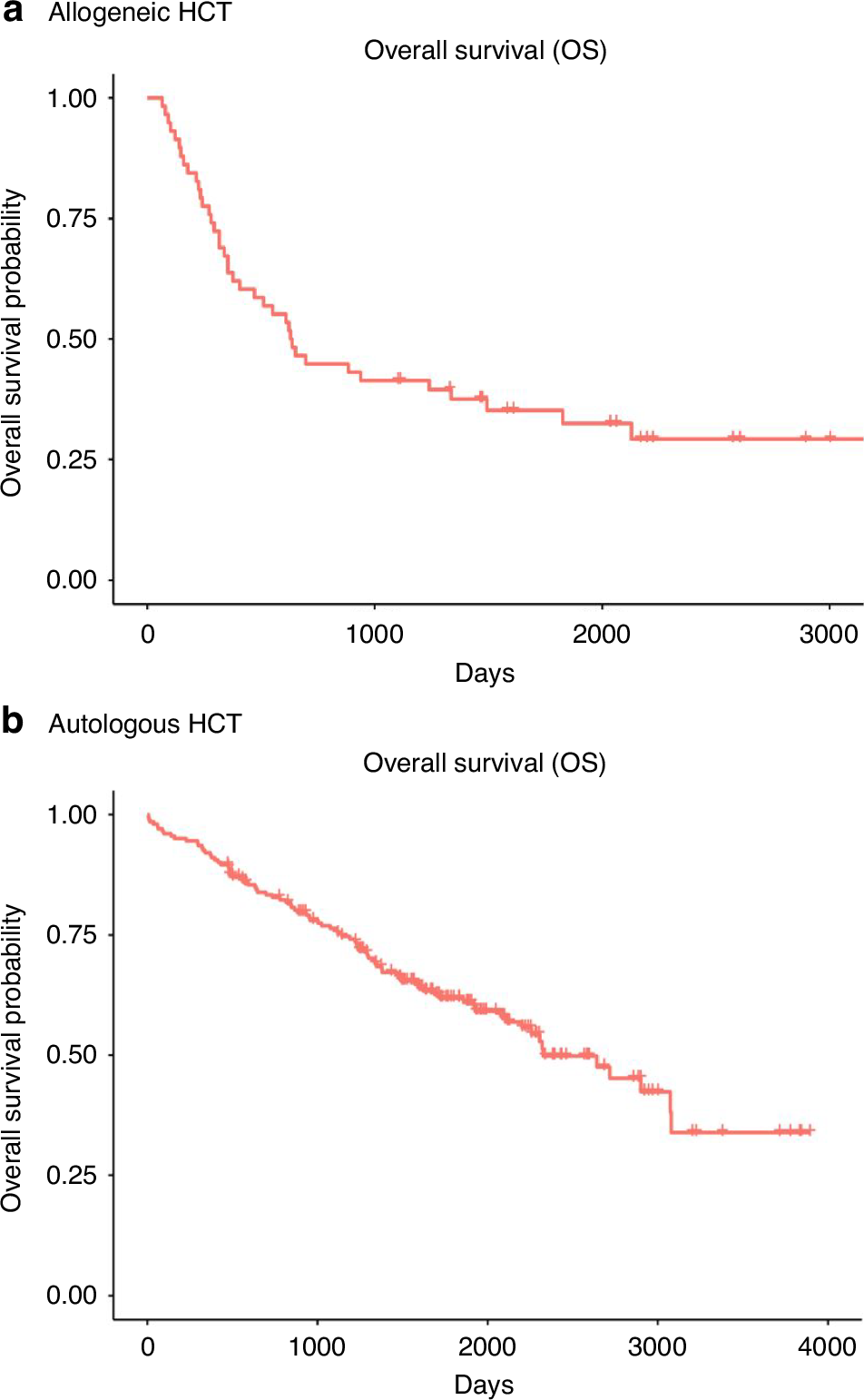
Access through your institution Buy or subscribe Hematopoietic stem cell transplantation (HCT) offers a potential cure or durable
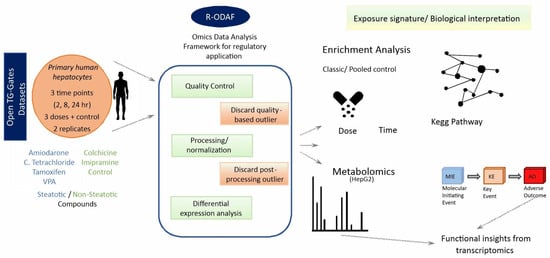
By: Martina, Palomino-Schätzlein, Verheijen, Caiment, Cramer Von Clausbruch, Rita, Giulia, Jonathan H., Florian, Weiss, Carsten, Callegaro, Ortega-Vallbona, Marcha, Christina A., Freedman
Steatosis, characterized by excessive fat accumulation in the liver, is a significant precursor to chronic liver disease and hepatocarcinoma. This condition is influenced by multiple contributing factors such as obesity, alcohol consumption, and exposure to chemicals or drugs. Systems biology approaches including transcriptomics and metabolomics can aid in grouping chemicals according to their mode of action. In this study, we analyze transcriptomic and metabolomic data from primary human and transformed hepatocytes, respectively, to differentiate between steatotic and non-steatotic chemicals. Rather than assessing each steatotic compound individually, we pooled several steatotic chemicals in order to minimize compound-specific noise and better identify features associated with the underlying process of steatosis. Differential gene expression analysis revealed established mechanisms involved in steatosis, consistent with the recently updated adverse outcome pathway. Likewise, metabolomic data enabled clear discrimination between steatotic and non-steatotic chemicals. These findings highlight the potential of omics technologies to support chemical grouping based on insights into the molecular mechanisms that drive steatosis development.