



By: Gazêta, Gilberto S., Da Cruz, Ricardo, Darci Moraes, Liege R., Marinete, Fernando De Castro, Jaboticabal, Ademar Ferreira, Jacinavicius, Machado, Luís Fernando, Silva, Laboratório De Coleções Zoológicas, Bassini
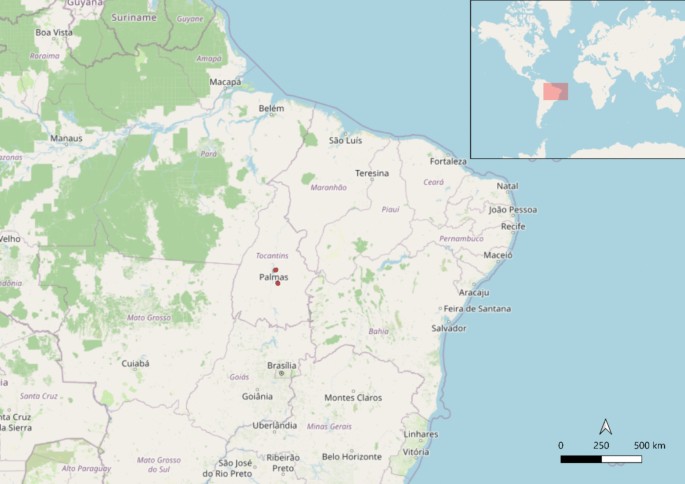
The family Spinturnicidae (Parasitiformes: Mesostigmata) comprises obligate, blood-feeding ectoparasites of bats (Chiroptera). These mites are found worldwide and exhibit a high host specificity, typically being associated with specific bat families. The family includes 12 genera and approximately 110 valid species, several of which have been recorded in Brazil. This study expands the known distribution of the species Cameronieta almaensis, Periglischrus caligus, Periglischrus iheringi, and Periglischrus ojastii through new locality records. These occurrences represent the first records of the family Spinturnicidae in Tocantins State, providing novel distributional data that reinforce the importance of regional surveys for documenting the diversity of bat ectoparasites.