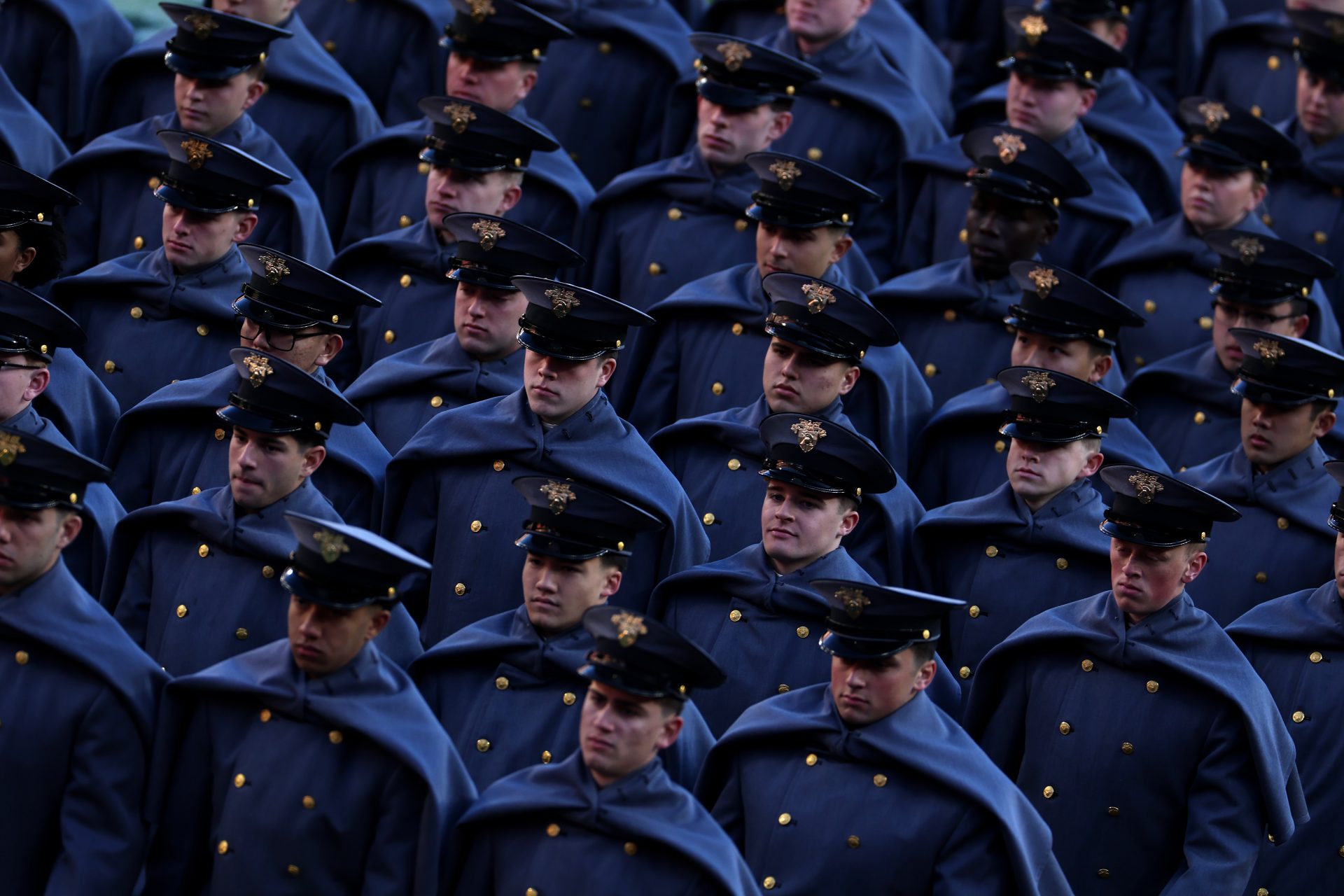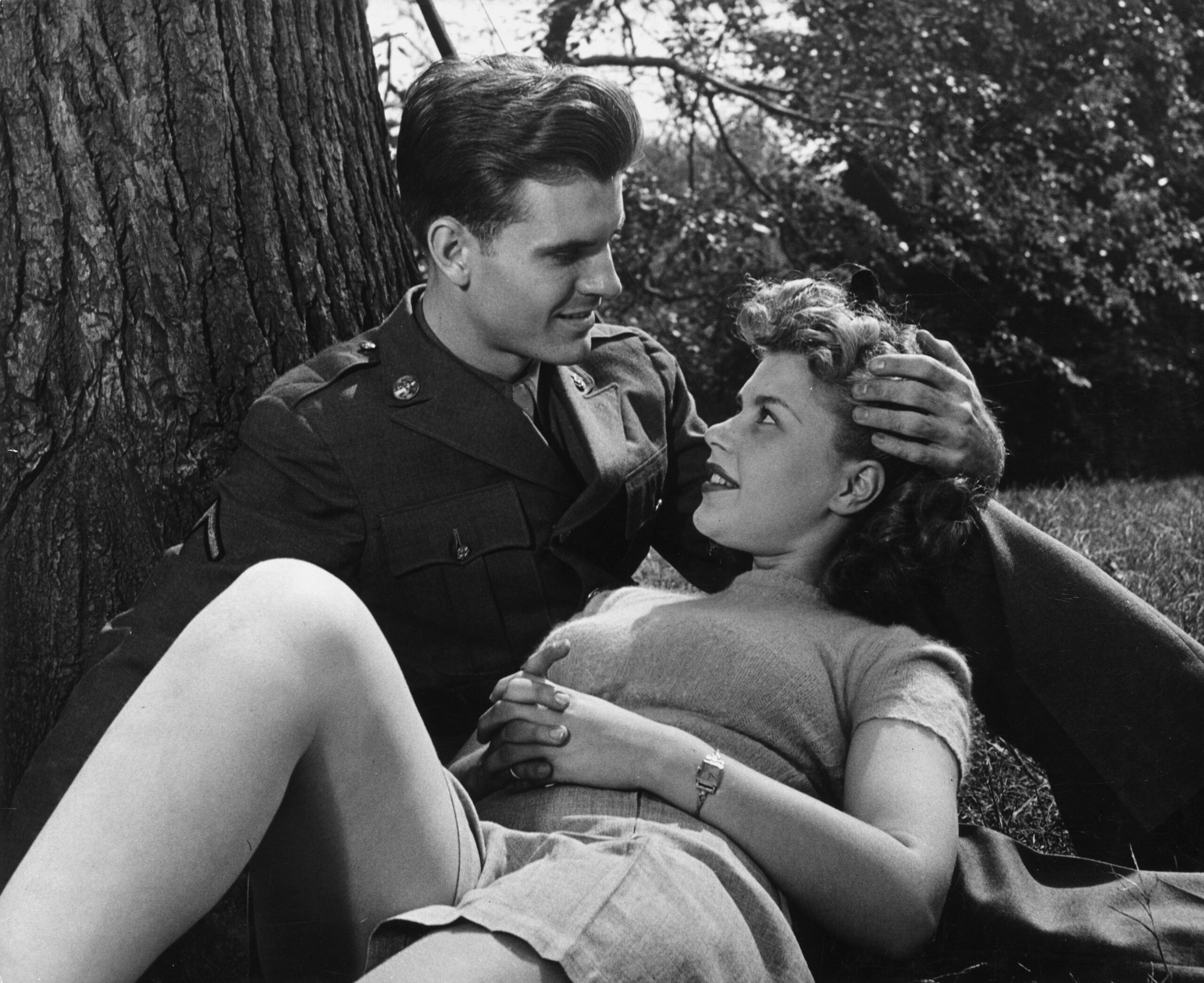





The 1976 integration of women into the military service academy system landed a direct blow to the heart of America's most elite masculine enterprise. The military had long thrived by concocting a specific conception of manliness, then facilitating a training ground to prove these traits. This scheme was plainly reflected in service academy applications, which long judged prospective cadets against a series of metrics known collectively as the “Whole Man” score. The military's psychological grip on young men depended on a weak and largely subservient feminine construct, one in which women not only relied on, but were endlessly impressed by, male strength. Before the introduction of women, military school was viewed as the purest test of masculine bona fides. Those who failed were labeled with derogatory feminine terms like “pussy,” “lady,” or “fairy.” Now, one school commandant worried, “if women can make it, can it really be tough?”
Jasper Craven is a Reporter at various esteemed publications including The New York Times and The New Republic. He primarily covers military and veterans issues, while also delving into themes such as government, politics, and public policy, reflecting a diverse range of interests from elections to internet culture. Jasper's work has been featured in notable outlets like Mother Jones, POLITICO, and Harper's Magazine.