
By: Khadija Khan
Proposed amendment is likely an enabling provision than an immediate policy shift & gives govt greater flexibility to decide which digital payment modes may attract charges in future.

Khadija Khan is a Senior Correspondent at ThePrint. A lawyer by training with a postgraduate diploma from the Asian College of Journalism, she specializes in topics related to the judiciary, Parliament, policy, and Intellectual Property Rights (IPR) law, with a focus on legal explainers. Her work has been featured in prominent outlets such as The Indian Express, spiked LTD, and The Spectator.
Preston is the artificial intelligence that powers the Intelligent Relations PR platform. Meet Preston
India (National)

Not enough data
Khadija Khan's coverage is heavily focused on legal policy, regulation, and government announcements within the context of the Indian judiciary system. She appears to be particularly interested in judicial reforms, court verdicts, and criminal law developments in India.
Given her focus on government & politics with a specific emphasis on Indian Judiciary and Legal Aid, Khadija may be more receptive to pitches that provide insights into recent legal developments or reforms within the Indian judicial system. Additionally, she might also welcome expert commentary from individuals well-versed in these areas.
As her geographic focus is national (Pakistan), it’s important to consider how news from Pakistan intersects with her primary area of interest - the workings of the Indian judiciary. Any pitch should acknowledge this intersection while providing relevant information about legal policy or court verdicts related specifically to India.
This information evolves through artificial intelligence and human feedback. Improve this profile .



By: Khadija Khan
Proposed amendment is likely an enabling provision than an immediate policy shift & gives govt greater flexibility to decide which digital payment modes may attract charges in future.
By: Khadija Khan
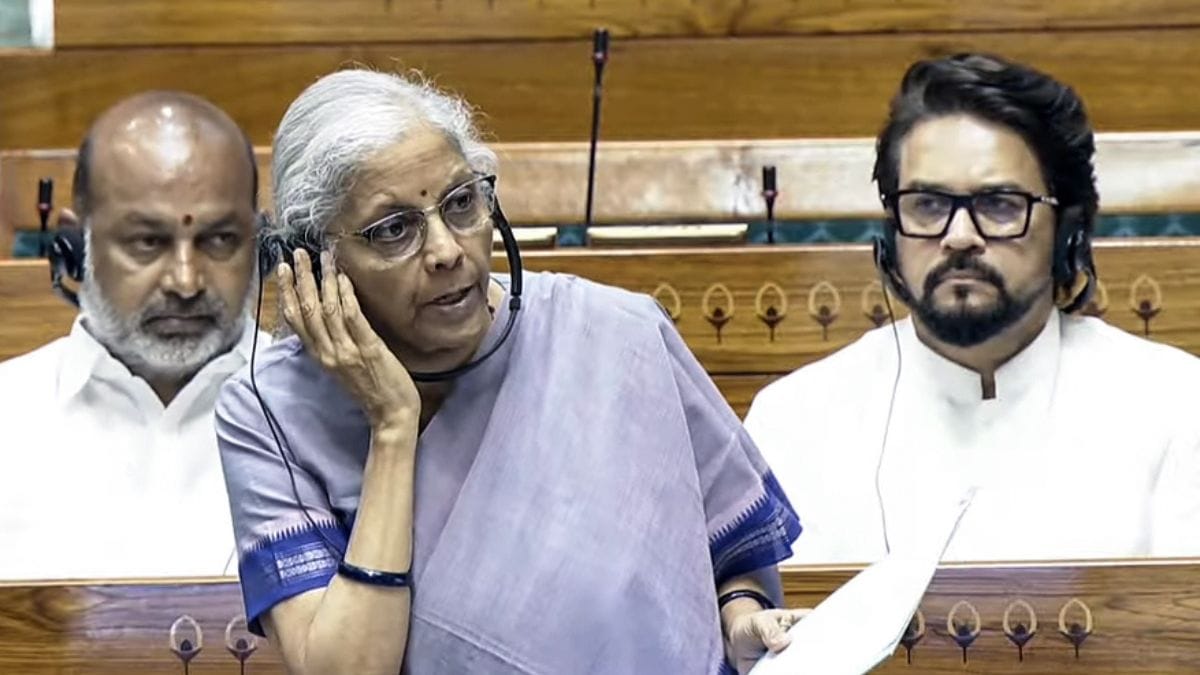
Finance Minister Sitharaman introduced the Bill in bid to modify Bankers’ Books Evidence Act, 1891—colonial-era law enacted when bank records existed almost entirely on paper ledgers.
By: Khadija Khan
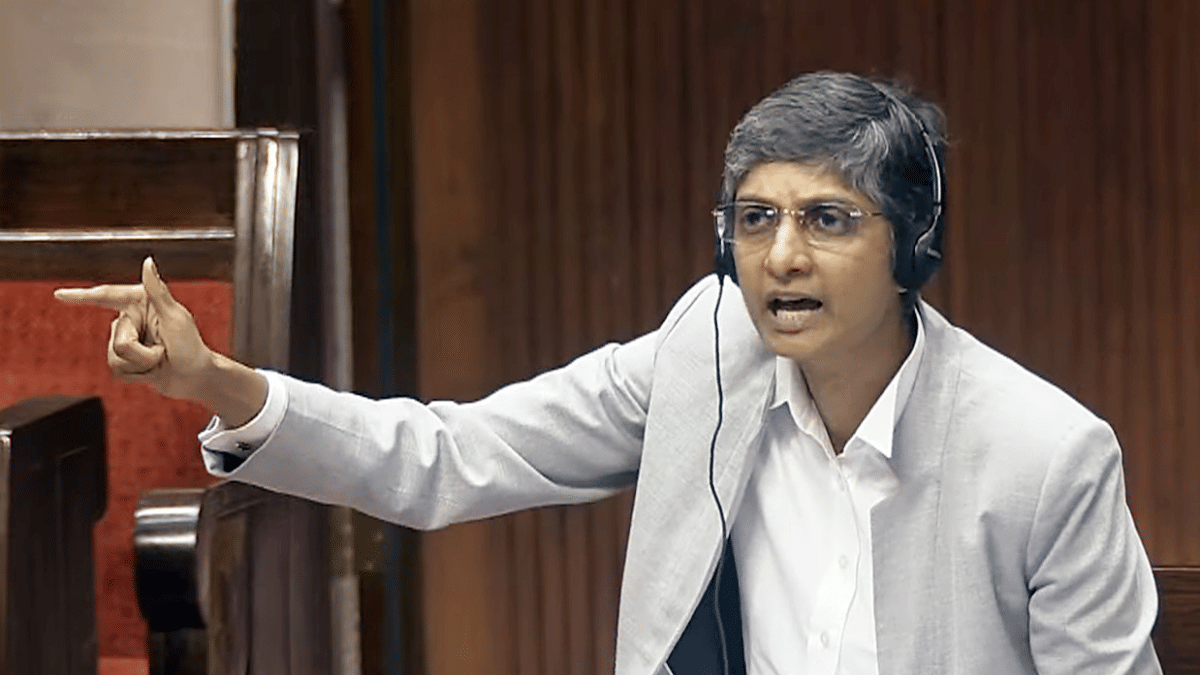
Debating the Supreme Court expansion Bill, Menaka Guruswamy argued 4 more judges won't make a difference; underrepresentation of women, SC, ST, minorities & gays remains judiciary's real challenge.
By: Khadija Khan
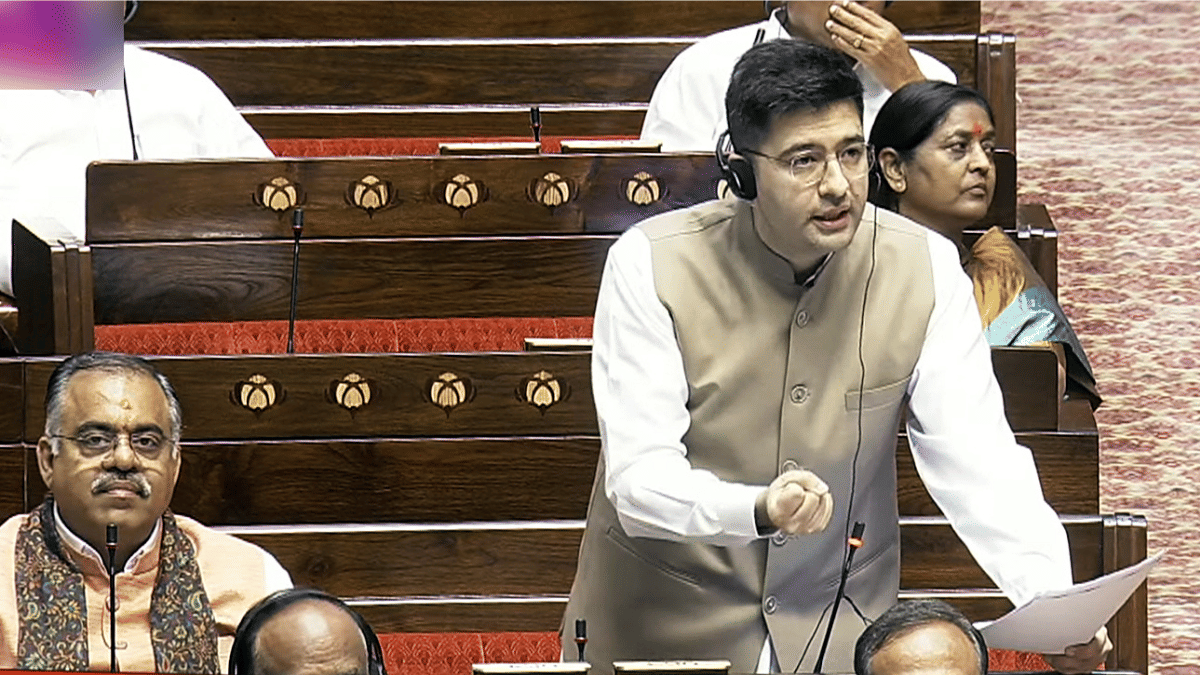
Alleging an illegal nexus between doctors and diagnostic centres, BJP MP Raghav Chadha said in Rajya Sabha that referral commissions inflate patients' medical bills by 15-20%.
By: Khadija Khan
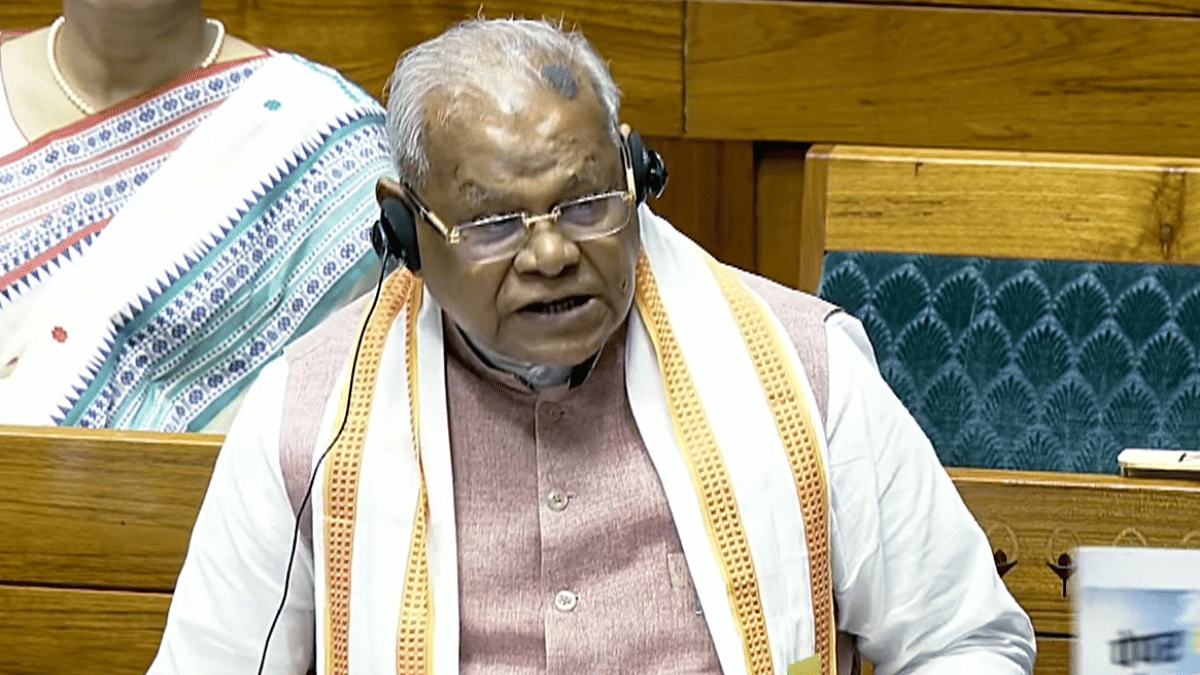
Lok Sabha passed the MSME amendment Bill days after Rajya Sabha cleared it. The new law promises easier registration, better access to working capital and faster dispute resolution.
By: Khadija Khan
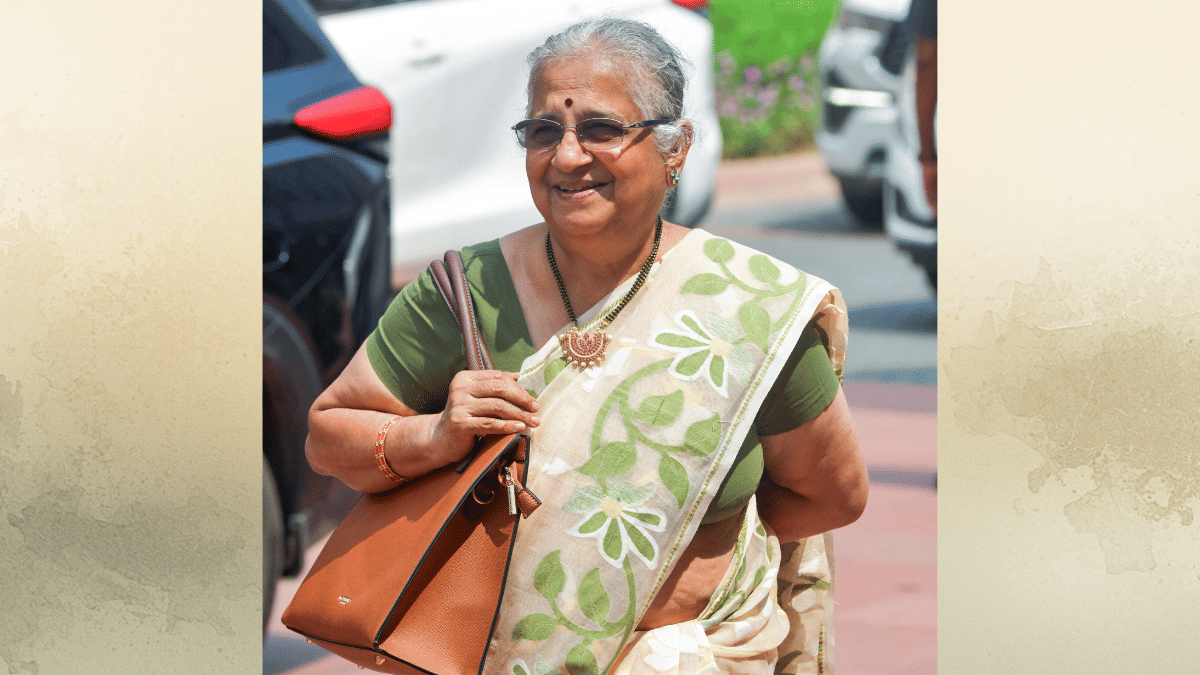
Calling maternal mental healthcare an 'essential yet overlooked' issue, Rajya Sabha MP Sudha Murty Tuesday urged Centre to adopt national screening & support framework for new mothers.
By: Khadija Khan
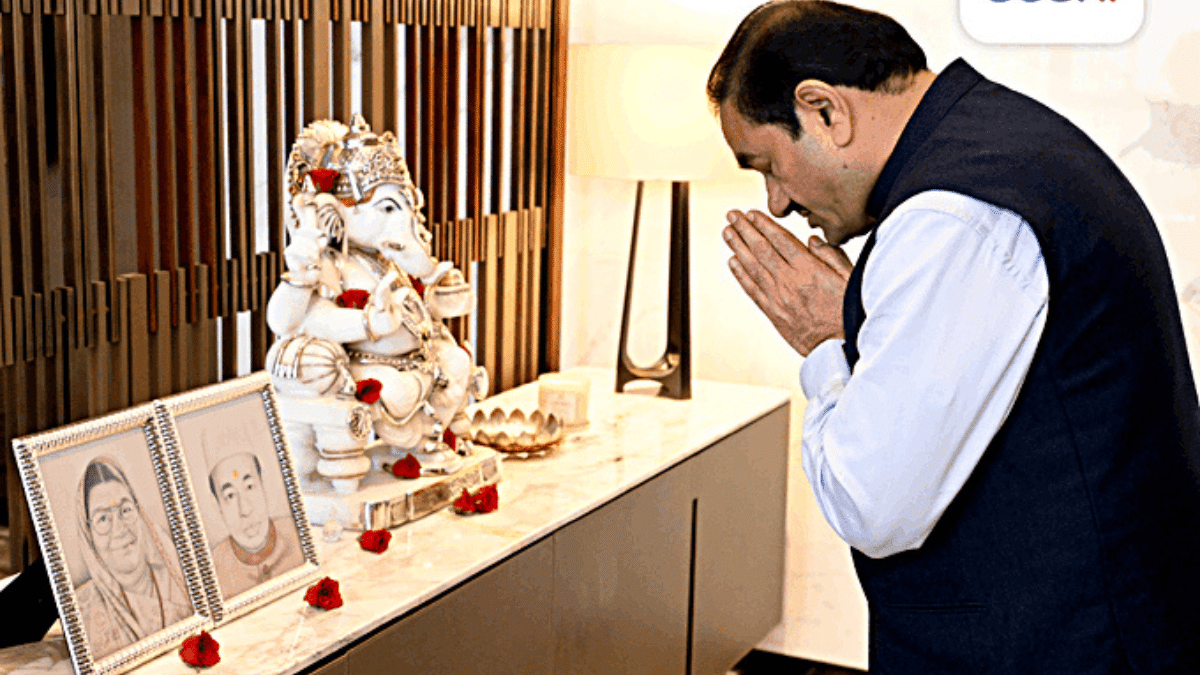
A US court allowed dismissal of three charges against Gautam Adani and others but flagged 'concerning' irregularities in the DOJ’s conduct and demanded further explanations.
By: Khadija Khan
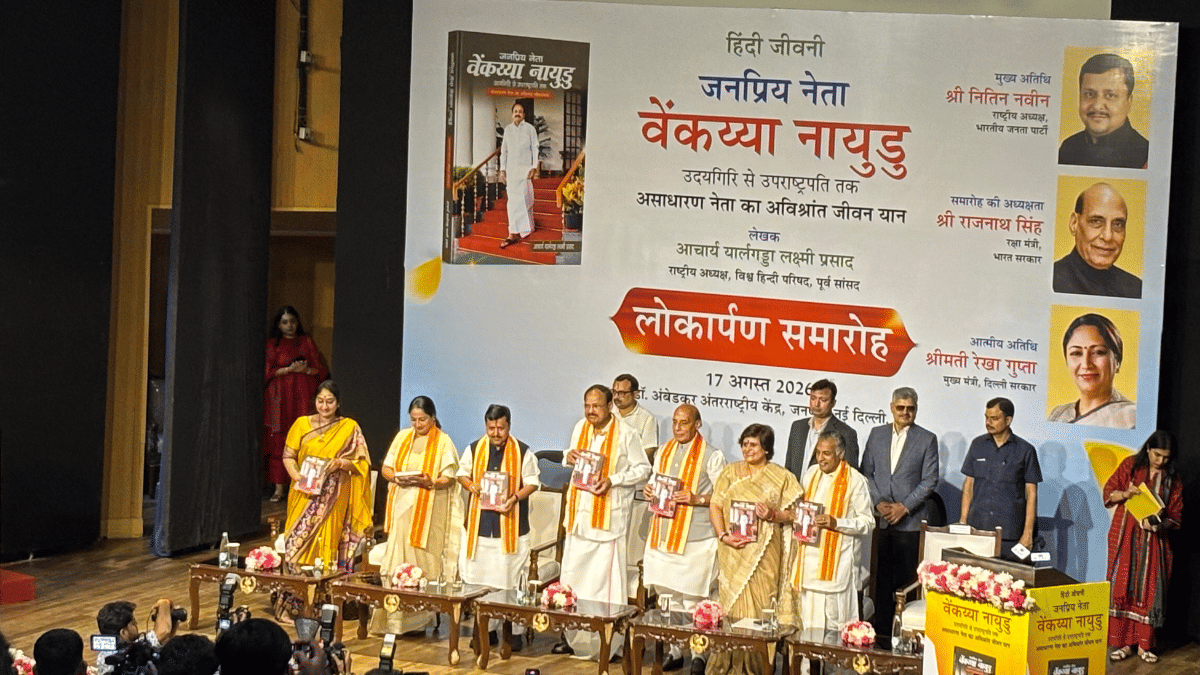
Delhi Chief Minister Rekha Gupta and Defence Minister Rajnath Singh also lavishly praised the former Vice-President as they addressed packed audience in national capital.
By: Khadija Khan
Three years after HC ruled a minister’s decision cannot be reviewed or modified by CM, some lawyers question constitutional validity of new rules, others say they fill a gap
By: Khadija Khan
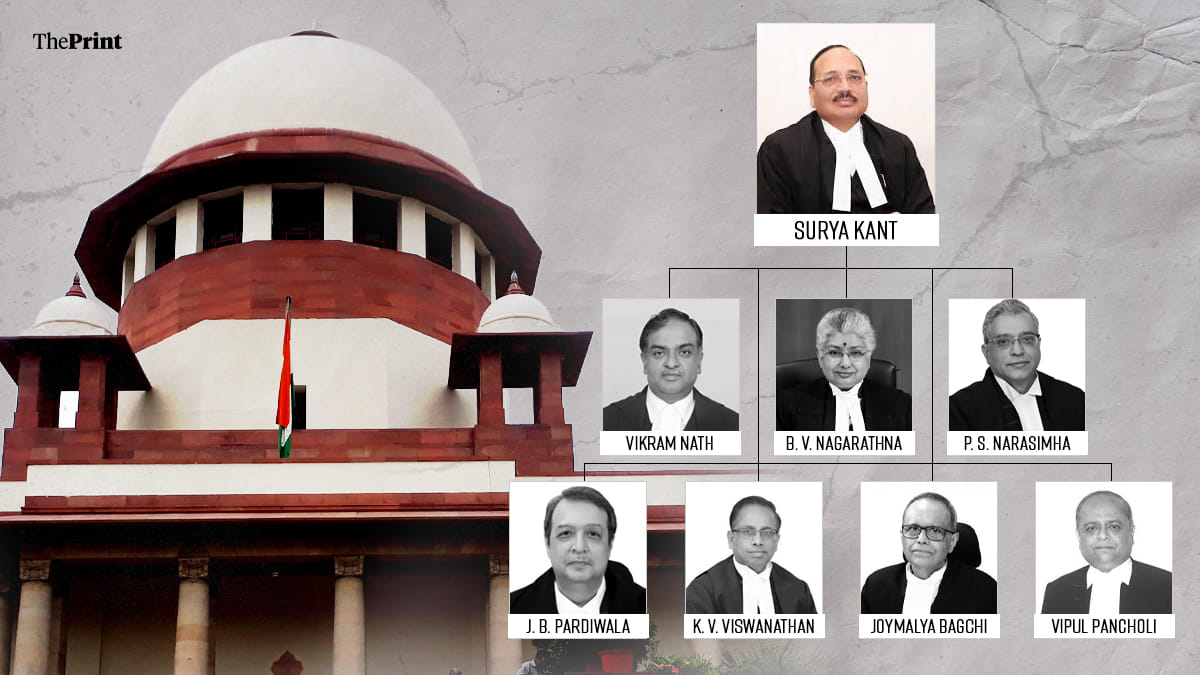
With CJI Surya Kant set to retire in February 2027, ThePrint maps out Supreme Court’s leadership till 2033. This will include the first woman CJI, short stints and one unusually long tenure,