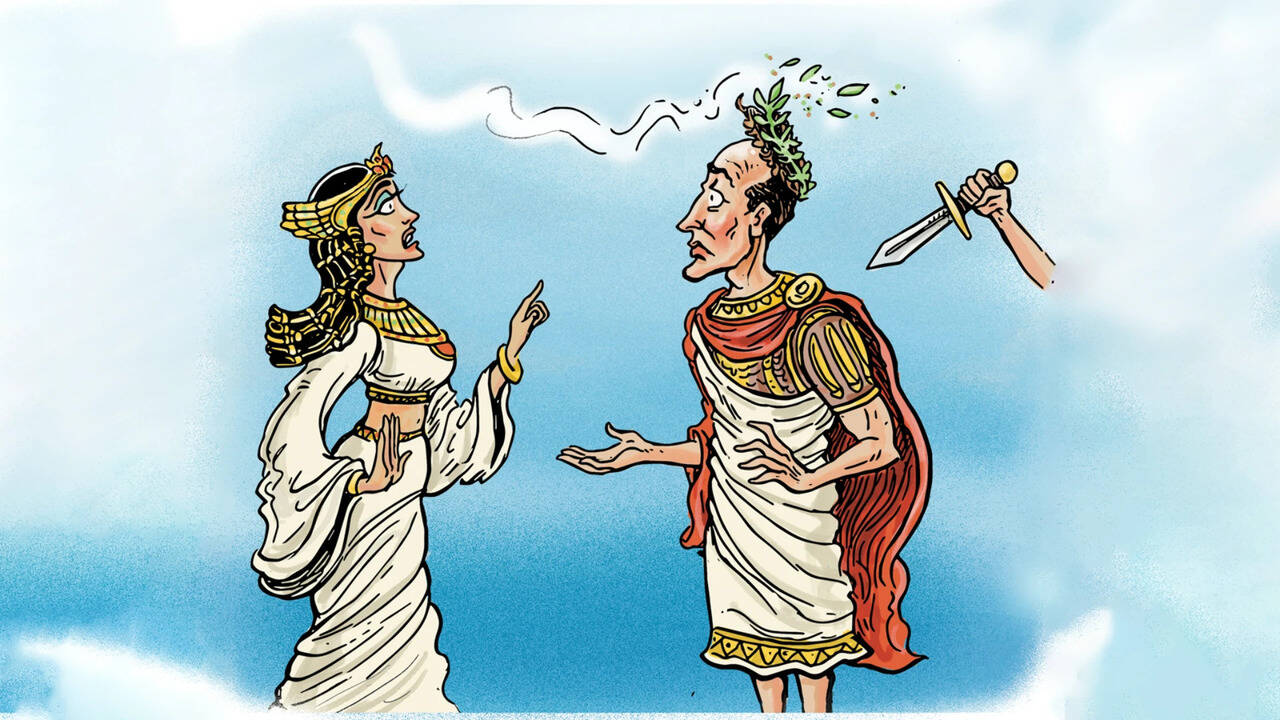
The past fortnight has been a terrible one for anyone hoping to get away with murder. Three killings, four accused, three very different crime scenes, and all the suspects were tracked down within hours.
India (National)

India (National)

Not enough data
Mohua Das covers a wide range of topics related to education, culture & society, beauty & fashion, and entertainment news in India. She often cites data and government announcements while also focusing on event coverage and evolving stories.
If you're reaching out to Mohua Das for potential coverage or commentary, consider offering insights into educational initiatives, cultural events or societal trends within India. Additionally, providing access to relevant data or discussing the impact of government policies on these areas may increase the appeal of your pitch.
As she focuses primarily on national (India) content with such diverse themes covered, tailor your pitches specifically to resonate with her audience in India while aligning with her interest in varied societal issues.
This information evolves through artificial intelligence and human feedback. Improve this profile .



The past fortnight has been a terrible one for anyone hoping to get away with murder. Three killings, four accused, three very different crime scenes, and all the suspects were tracked down within hours.

By: Mohua Das
Outside, Mumbai’s monsoon is doing what it does best… turning the city into an immersive installation of its own. Inside somewhere, visitors wander through forests of digital flowers, chase bubbles that pop into light, and find their own shadows swallowed and multiplied by the walls around them.
The alleged abuse of toddlers by their nannies at a Bengaluru daycare has rattled parents across India. From cameras and caregiver training to regulation and red flags, Swati Popat Vats, president of the Early Childhood Association (ECA), India, speaks to Mohua Das about what parents need to knowHow badly has the daycare abuse case in Bengaluru shaken up parents and their trust in daycare centres?It truly has, because these are horrific cases and not just isolated lapses.
THIRUVANANTHAPURAM: For years, the conversation around female genital mutilation (FGM) in India has centred on one community, the Dawoodi Bohras.
Pune’s Lohagad Fort has stood for over 2,000 years, outlasting Maratha sieges and many monsoons. But this June, a 20-year-old bride-to-be managed to do, in one afternoon, what neither war nor weather ever did: get it trending on social media when she decided that the macabre act of pushing her fiancé down 3,389 ft was less frightening than the idea of waking up next to his bare scalp for the rest of her life.
Before the interview begins, Morgan Freeman starts talking about Ravi Shankar. ‘He played with The Beatles, and The Beatles were greatly influenced by the blues.
There is a version of this story in which two 12-year-old girls disappear into a Bengal border town and are never found. Last week, that version came perilously close to becoming reality.
The internet already has a nickname for them: ‘pervert glasses’. Last week, Instagram said it would start removing videos filmed on Meta’s smart glasses when they are used to harass strangers, after pickup artists and prank accounts began secretly recording unsuspecting people.
Every morning, for decades, India’s poorest workers have waited to be chosen. At labour chowks across the country, men gathered at dawn hoping a contractor would pick them.
By: Mohua Das
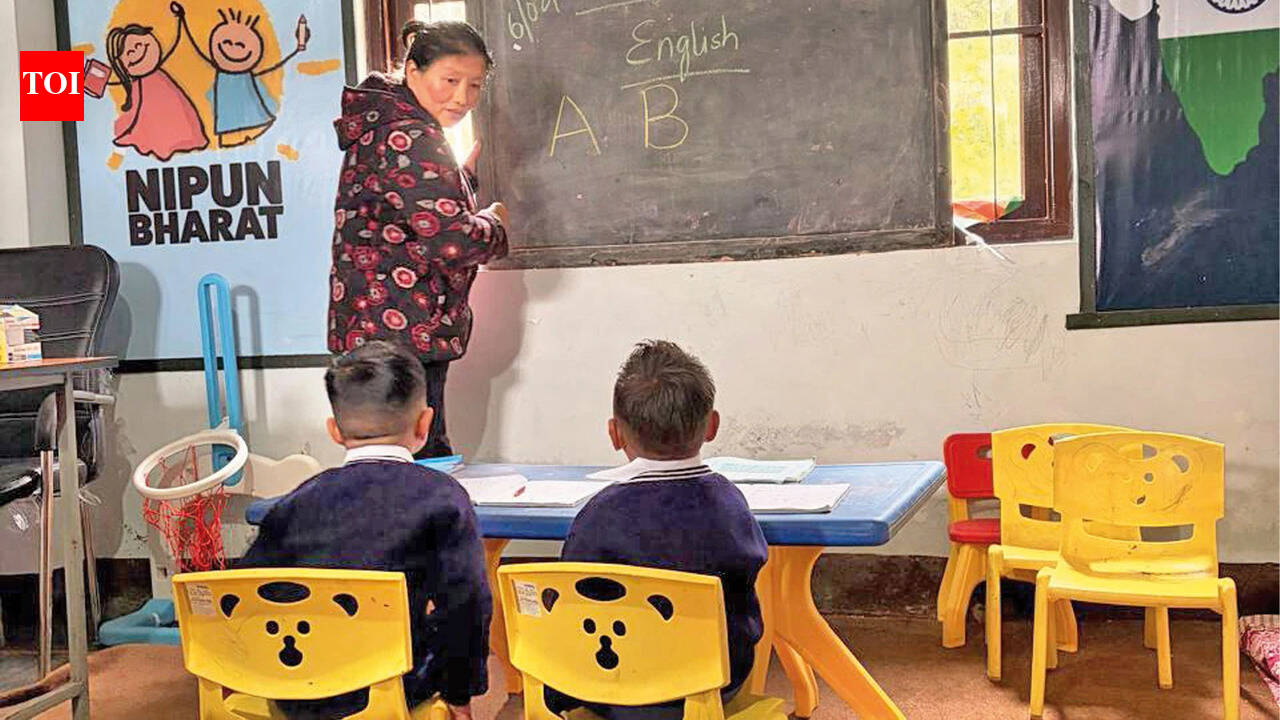
At 13,200 feet in East Sikkim, Thegu Primary School has eight classrooms, a sprawling playing field and, at the moment, two students. But the only classroom open is pre-primary, where Lhakpa Tshering Sherpa and Gelchen Sherpa are learning their ABCs amid plastic slides and comic-book posters.