
By: Nitin Kumar
Chinese President Xi Jinping is set to visit India for the BRICS Summit, marking his first bilateral meeting with PM Modi on Indian soil in seven years.

Nitin Kumar is a Journalist at various esteemed publications including Forbes and Deccan Herald. With over 9 years of experience, he focuses on investigative, political, business, and sports journalism, while also delving into themes such as climate change, aviation, and automotive issues. Nitin's work has been featured in notable outlets like Dove Medical Press, Cureus Journal of Medical Science, and INDIA TV, showcasing his commitment to uncovering hidden stories and analyzing complex topics for his readers.
Preston is the artificial intelligence that powers the Intelligent Relations PR platform. Meet Preston
India (National)

Not enough data
Nitin Kumar’s coverage spans a wide array of topics such as Indian news, politics, stock market, international relations, COVID-19, technology, finance and promotional items. However the majority of his articles fall under "Indian news" and "politics". Given this focus on Indian news and politics with some attention to stock market and international relations he would be most responsive to pitches related to these areas.
For those seeking press coverage from Nitin Kumar it is advisable that they offer insights into political developments in India or provide expert analysis on financial markets within the region. Pitches should be tailored keeping in mind his primary focus on Indian news but also have potential for relevance in international affairs especially concerning India.
This information evolves through artificial intelligence and human feedback. Improve this profile .




By: Nitin Kumar
Chinese President Xi Jinping is set to visit India for the BRICS Summit, marking his first bilateral meeting with PM Modi on Indian soil in seven years.

Three Russian military planes, including an IL-76 transport aircraft, made the first-ever foreign landing at Noida International Airport ahead of the BRICS Summit.
Can you fly to the US, buy Apple's new iPhone Duo, and still save money compared to its Rs 3 lakh price tag in India? Here is the reality check.

By: Nitin Kumar
The Maleic Anhydride Price Trend Q2 2026 showed a strong increase across major global markets. Prices rose by around 23% to 44% from the previous quarter, mainly due to higher n-butane feedstock costs, healthy demand from unsaturated polyester resins, construction, automotive, coatings, composites, fiberglass, and specialty chemicals. Geopolitical uncertainty also increased freight, energy, and logistics costs during the quarter.
By: Nitin Kumar
The Meta Xylene Price Trend recorded a strong upward movement across major Asian markets during Q2 2026. Prices increased as higher crude oil and naphtha feedstock costs raised production and import expenses.
By: Nitin Kumar
The Methanol Price Trend in Q2 2026 was influenced by changes in feedstock costs, regional supply availability, downstream demand, and international logistics. Methanol markets remained sensitive to movements in natural gas and coal prices because these feedstocks play an important role in methanol production across different regions. At the same time, fluctuations in shipping costs and geopolitical uncertainty affected import and export economics in major global markets.
By: Nitin Kumar
The Mixed Xylene Price Trend moved higher across major international markets during Q2 2026.
By: Nitin Kumar
The Naphtha Price Trend remained elevated across major global markets during Q2 2026 following severe Middle East supply disruptions. The Strait of Hormuz crisis initially restricted Gulf exports, forcing Asian and European buyers to compete for alternative cargoes. This increased freight, replacement, and feedstock costs across international markets.

By: Nitin Kumar
AERA has approved a revised variable tariff plan for Navi Mumbai International Airport, waiving initial landing charges to boost international routes and passenger connectivity.
By: Nitin Kumar
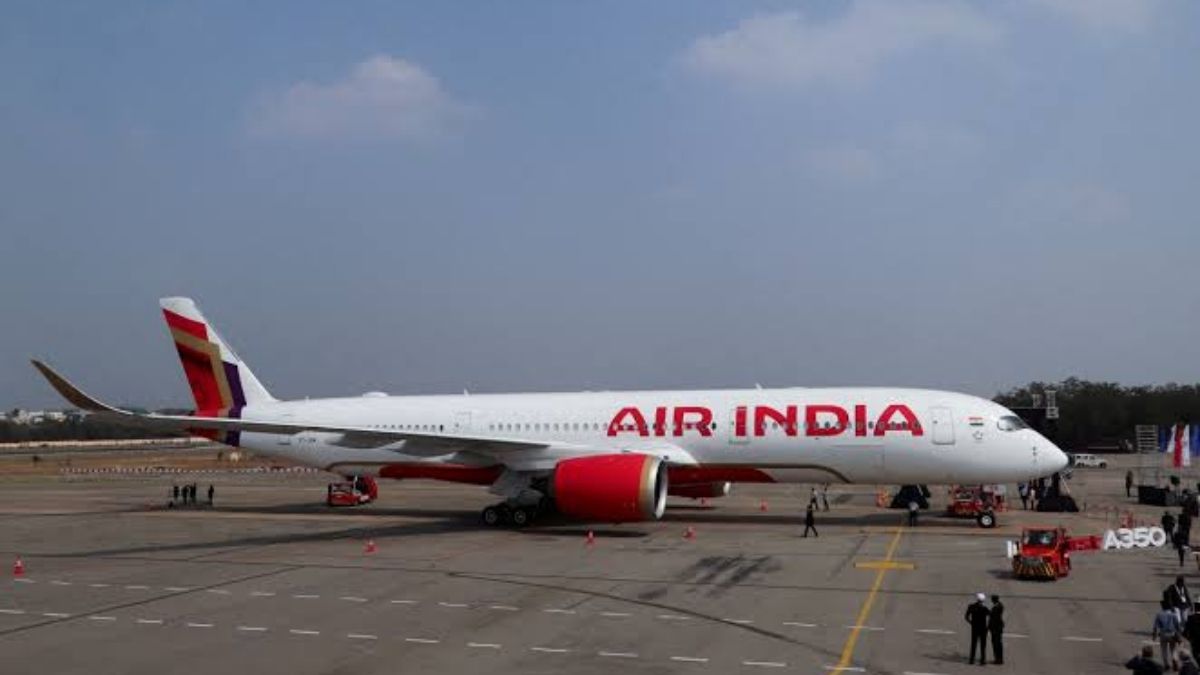
Domestic airlines in India are cutting overall capacity by 4.5% in September amid high fuel costs and aircraft constraints, while selectively increasing seats on key routes like Mumbai-Delhi and Bengaluru-Pune. This shift reflects a strategic focus on profitable routes amid moderated traffic growth.