



By: Ryan Moran
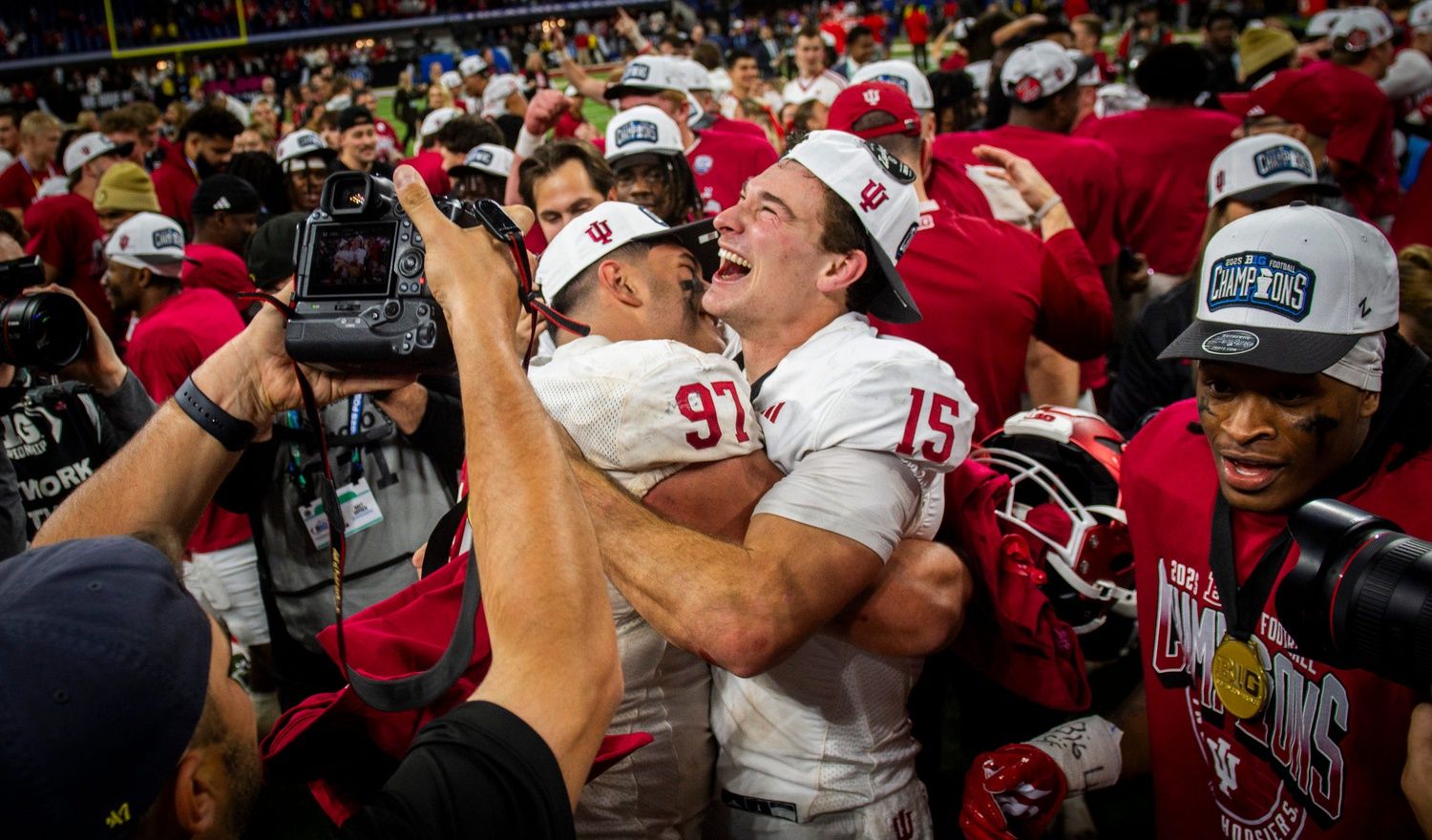
The 2026 NFL Draft features two top quarterbacks: Fernando Mendoza of Indiana and Dante Moore of Oregon.

Ryan Moran is a Communications Analyst at an undisclosed organization. With a background in digital news and a focus on competitive sports, he covers various aspects of team sports and sports disciplines. Ryan's work has been featured in Empire Sports Media, Yardbarker, Daily Mail, Pro Football Network, University of New Hampshire Football, DELAWARE PANTHERS BASKETBALL CLUB, and Cureus Journal of Medical Science.
Preston is the artificial intelligence that powers the Intelligent Relations PR platform. Meet Preston
New York, United States (Local)

Not enough data
This information evolves through artificial intelligence and human feedback. Improve this profile .



By: Ryan Moran
The 2026 NFL Draft features two top quarterbacks: Fernando Mendoza of Indiana and Dante Moore of Oregon.
By: Ryan Moran
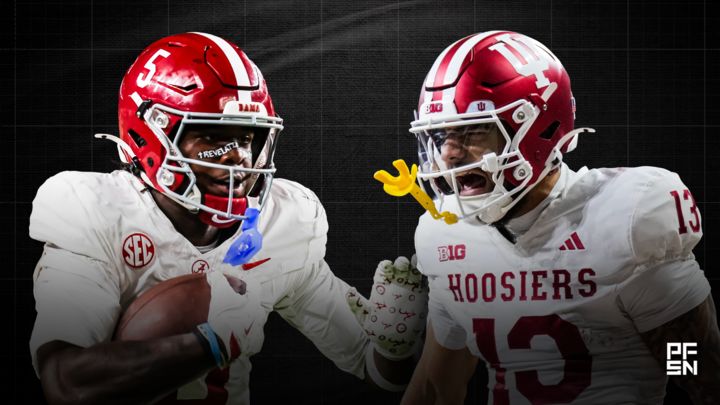
Indiana star Elijah Sarratt battles Alabama playmaker Germie Bernard in a Rose Bowl matchup featuring two top 2026 NFL Draft wide receiver prospects.

By: Ryan Moran
Two of the top defensive end prospects in the 2026 NFL Draft are set to play in the Orange Bowl, Matayo Uiagalelei of Oregon and David Bailey of Texas Tech.
By: Jonathan R. Guin, Brett C. Bentley, Ryan Moran
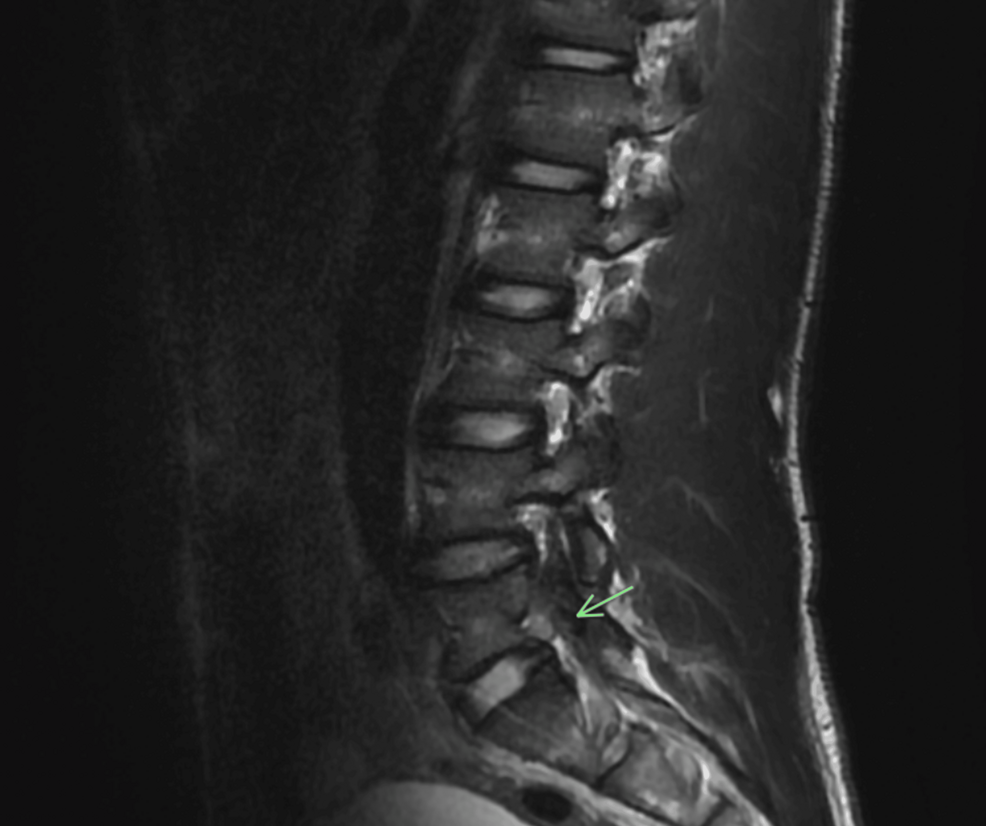
Early recognition of sacroiliac (SI) joint infection can be challenging in young, otherwise healthy individuals presenting with nonspecific buttock or thigh pain. We present the case of a 21-year-old collegiate football player who developed progressive buttock and thigh pain after a minor fall during practice. Initial evaluation suggested sciatic nerve compression, and early MRI revealed only subtle soft tissue edema. Despite conservative treatment and a nerve block, his pain acutely worsened, and he developed fever and chills. Repeat MRI five days later demonstrated a fluid collection consistent with septic sacroiliitis and abscess formation, with additional findings of iliopsoas and gluteal myositis. Blood cultures and CT-guided aspiration confirmed methicillin-sensitive Staphylococcus aureus (MSSA). The patient was treated with intravenous nafcillin for four weeks via peripherally inserted central catheter (PICC) line following a nine-day hospital admission. He made a full recovery and started a slow return to play back into collegiate football three months after admission. This case highlights the diagnostic challenge of septic sacroiliitis in young athletes, the importance of repeat MRI when symptoms progress, and the favorable prognosis when prompt, culture-directed antibiotic therapy is initiated.

By: Ryan Moran
PFSN's latest 3-round NFL mock draft projects Jeremiyah Love to the Washington Commanders, Ty Simpson to the Pittsburgh Steelers, and more.

By: Ryan Moran
PFN's latest 2027 NFL mock draft features five quarterbacks getting selected in the first round, including four in the top-four picks.