Click here to view this item from tulsapeople.
Tulsa, United States (Local)

Tulsa, United States (Local)

Not enough data
Tom Gilbert's work heavily focuses on event coverage, particularly in the food and beverage industry with specific emphasis on beer and brewing. Given this focus, he would likely be receptive to pitches related to local brewery events, new product launches or unique brews. Additionally, he might also engage with pitches regarding music events and conservation initiatives within his geographic area of interest.
If you have a story related to local breweries or upcoming musical events in Oklahoma or Tulsa, it would be worth reaching out to Tom Gilbert as these align closely with his coverage history.
This information evolves through artificial intelligence and human feedback. Improve this profile .


Click here to view this item from tulsapeople.
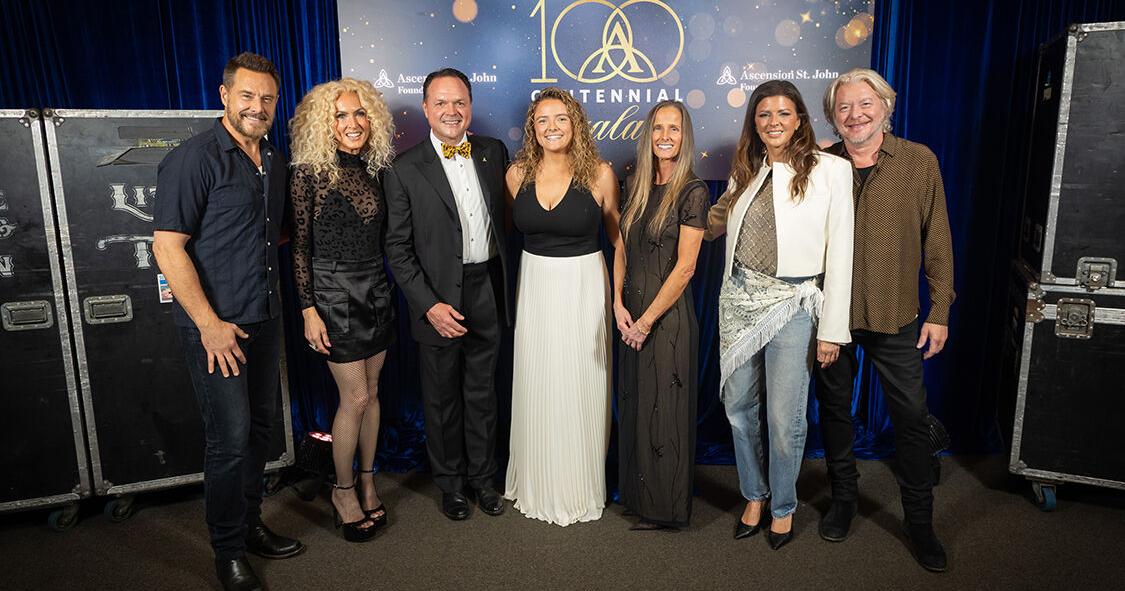
American country music duo the Brothers Osborne made a stop in Tulsa on July 17 at Hard Rock Live inside Hard Rock Hotel and Casino. This year, the Grammy-award winning
Click here to view this item from tulsapeople.
By: Tom Gilbert
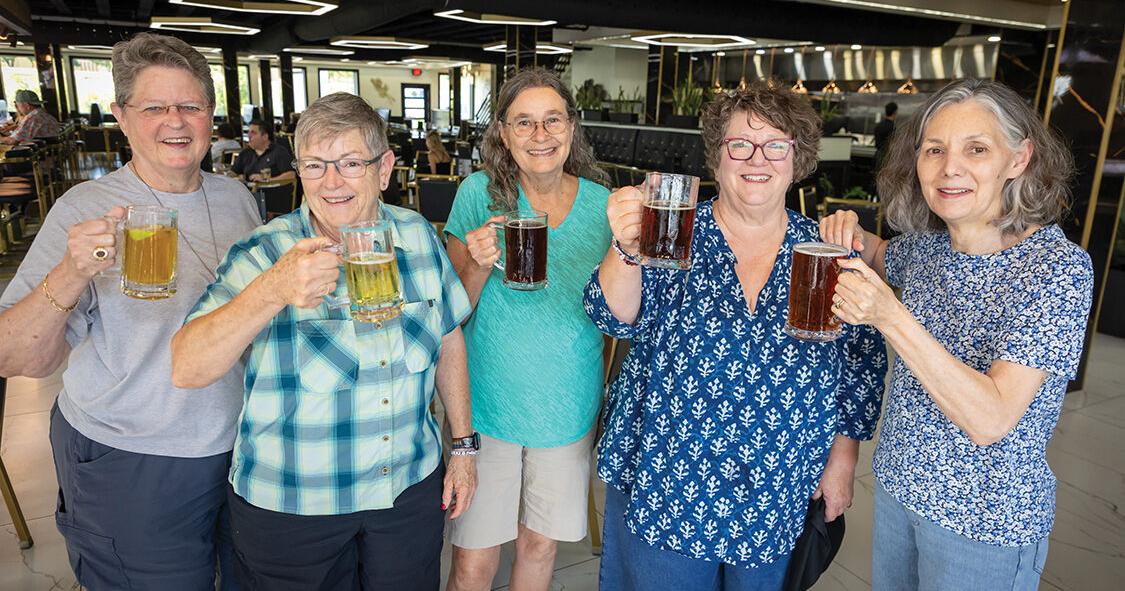
For one local friend group, Tuesdays are for the girls. “Beer for Chicks” has been gathering weekly for over fifteen years to enjoy a couple cold ones and the company
For 28 years, Tulsa's Wild Brew has brought together great beer and a great cause. This year's official festival beer is the Bob White IPA from New Story Brewing. Named
Click here to view this item from tulsapeople.
One of rock's most iconic bands, The Black Crowes made a stop at Tulsa's Hard Rock Live Aug. 6 as part of their summer tour. The Grammy Award-nominated band's setlist

By: Tom Gilbert
American Solera started ten years ago, and the brewery has been riding the craft beer wave ever since.

By: Natalie Mikles
Tyler Gordon always knew he wanted to be a firefighter, and he recently graduated from Tulsa Fire Department's Fire Academy.
By: Tom Gilbert
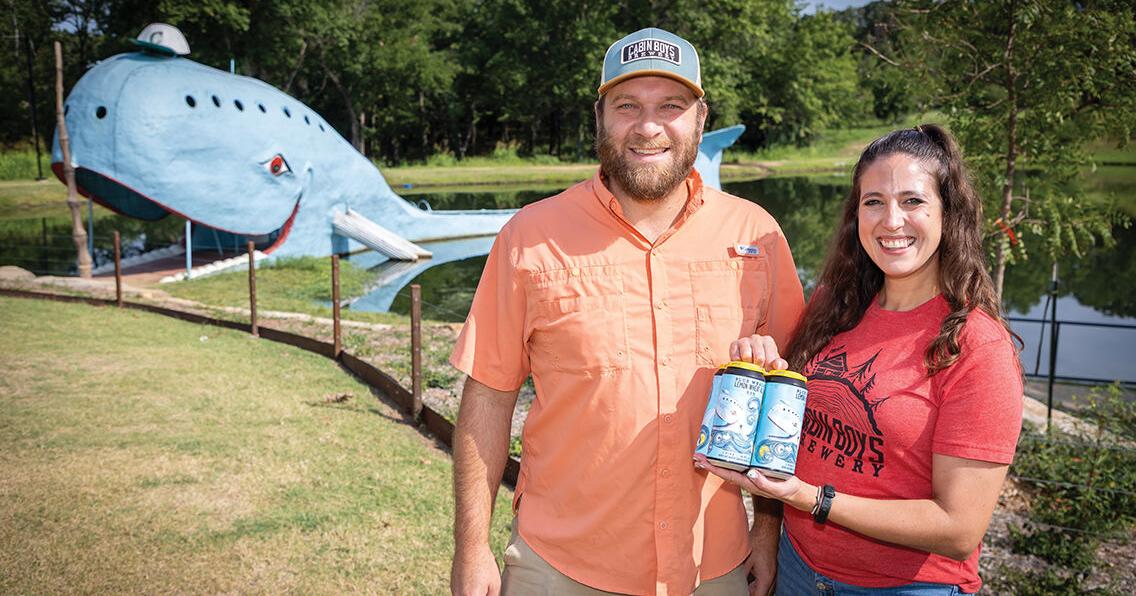
For decades, the Blue Whale of Catoosa has been a popular stop for travelers along historic Route 66. Earlier this year, the Oklahoma landmark received a significant upgrade which included