By: Vishnu Prasad
Having made her mark in Malayalam cinema through a range of powerful female characters, actor Rima Kallingal is making a comeback as the lead in 'Theatre: The Myth of Reality'.

India (National)

Not enough data
Vishnu Prasad's primary focus is on sports, particularly cricket and major international tournaments like the ODI World Cup. He also covers other sporting events such as Asian Games, volleyball, and SAFF Championships.
Given his geographic focus on India, Tamil Nadu, and Chennai, he may be interested in content related to local or national cricket events within these regions. Additionally, stories that highlight Indian athletes' achievements in various sporting events could capture his attention.
Consider pitching stories about significant developments or standout performances from Indian cricketers at the international level. Also consider highlighting any notable accomplishments by athletes from Tamil Nadu or Chennai across different sports that Vishnu covers.
For event coverage like the ICC World Cup and Asian Games, providing insights into teams' strategies and players' performance can make for compelling pitches to Vishnu Prasad.
This information evolves through artificial intelligence and human feedback. Improve this profile .

By: Vishnu Prasad
Having made her mark in Malayalam cinema through a range of powerful female characters, actor Rima Kallingal is making a comeback as the lead in 'Theatre: The Myth of Reality'.
By: Vishnu Prasad
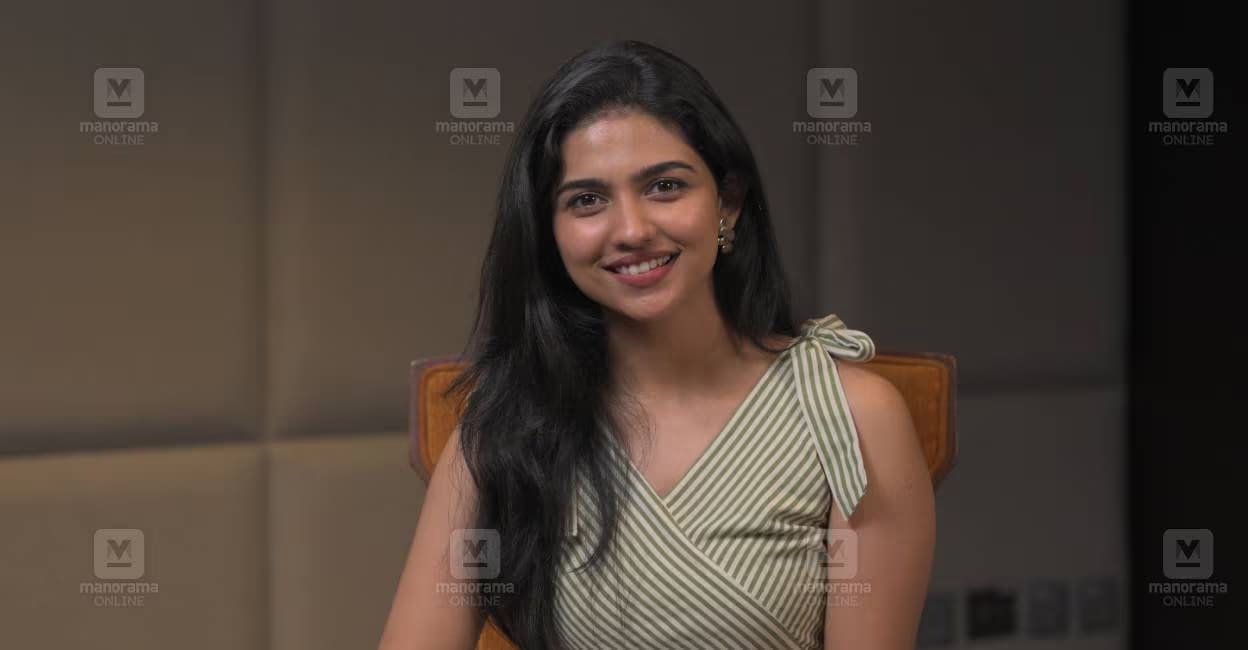
Speaking to Manorama Online, Mamitha shares her excitement about the film’s journey and her experience working on it.

By: Vishnu Prasad, Romola Sanyal
Abstract This paper examines the role property plays in the displacement of people and their ongoing and future displaceability and citizenship.
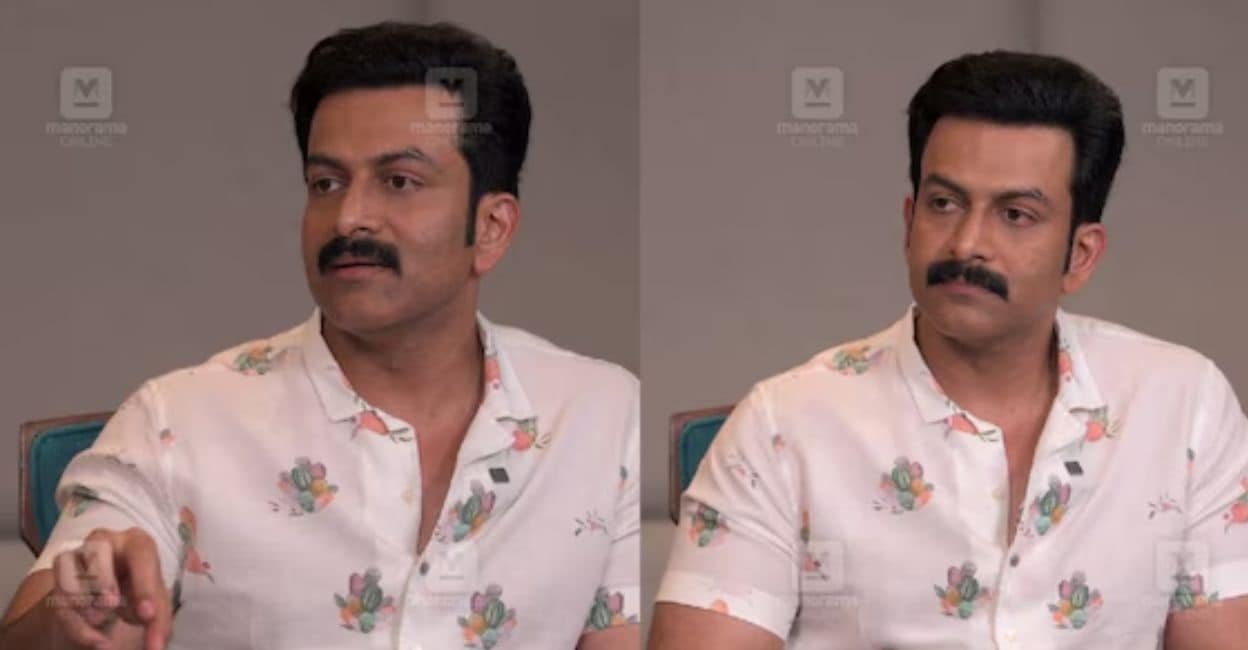
Prithviraj Sukumaran has long been a voice shaping conversations around the social, commercial and technological shifts in cinema.
Fitness is a costly affair today, especially if you wish to do it in a structured, guided manner.
Unlike many cancers, kidney cancer is significantly preventable. The article stresses that key lifestyle changes—such as quitting smoking, maintaining a healthy weight, and managing blood pressure—are crucial and achievable interventions that can meaningfully reduce the risk and reverse the worrying upward trend in new cases

By: Meta Dev Prasad Murthy, Vishnu Prasad, Rishika Jain
ABSTRACT Premium non-fungible token (NFT) collections often fail to attract liquidity, while modest but coherent ones thrive, presenting an anomaly that classical signaling cannot explain.