By: Ava Slocum
3 days ago
PUBLISHED by The all-women festival brought music, feminist activism and joyful resistance together—raising $20 million for organizations supporting women and girls.

Ms. Magazine is a pioneering feminist publication that has been at the forefront of reporting, advocacy, and cultural commentary for over five decades. It focuses on issues central to women’s rights and gender equality, with coverage spanning culture, society, health and wellness, government and politics, law and legal affairs, legislation, and general news assignments. The magazine is known for its commitment to truth-telling from a feminist perspective.
Its readership primarily consists of individuals interested in feminism—ranging from activists and academics to policymakers and engaged citizens who seek nuanced analysis on gender-related topics. Ms. Magazine appeals especially to those who value in-depth reporting on social justice issues as well as evolving stories that impact women’s lives globally.
The publication approaches its coverage with rigor by citing data, offering expert commentary, analyzing legal policies and regulations, covering government announcements, and tracking ongoing developments in relevant fields. This ensures that readers receive both timely updates on current events as well as thoughtful context around legislative changes or societal shifts.
Ms. Magazine delivers content across multiple platforms including online digital print editions, traditional print magazines, podcasts for audio storytelling or interviews with thought leaders, and blogs for timely opinion pieces or rapid-response commentary—making it accessible to a broad audience seeking feminist perspectives through various media formats.

Not enough data
This information evolves through artificial intelligence and human feedback. Improve this profile .

PUBLISHED by The all-women festival brought music, feminist activism and joyful resistance together—raising $20 million for organizations supporting women and girls.

MAGA Republicans are back in the White House, and Project 2025 is their guide—the right-wing plan to turn back the clock on women's rights, remove


PUBLISHED by The : You know her. You can't stand her. Good thing she's not here!

PUBLISHED by The state's new law trusts patients and doctors—not politicians, police or prosecutors—to make deeply personal decisions throughout pregnancy.
![How Can Feminists Advance Racial Equity in a Post-DEI World? Join Book Talk With Ralina L. Joseph [Sept. 10 @ Ms. HQ in LA]](https://msmagazine.com/wp-content/uploads/2026/09/GettyImages-2241671564.jpg)
How Can Feminists Advance Racial Equity in a Post-DEI World? Join Book Talk With Ralina L. Joseph [Sept. 10 @ Ms. HQ in LA]
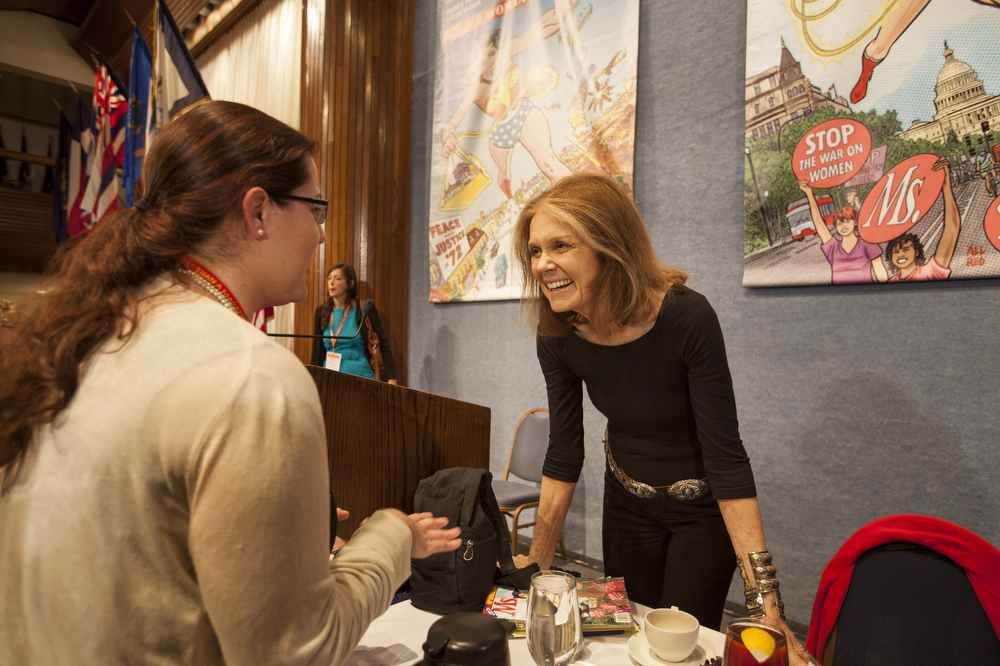
PUBLISHED by Editor's note : Gloria Steinem, the pioneering feminist journalist, activist and cofounder of Ms . magazine, died Sept. 2, 2026, at age 92.

PUBLISHED by The journalist, organizer and co-founder of Ms . changed the story, and taught us to keep telling it.
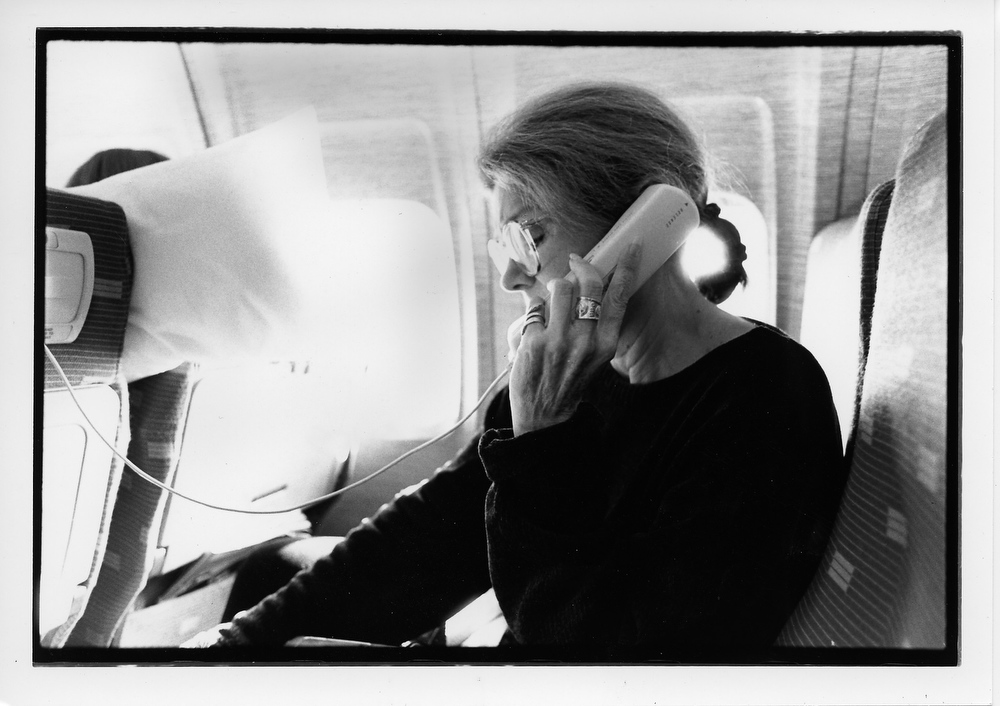
PUBLISHED by She lit the torch so many of us now carry. Originally published by The Contrarian on Sept. 3, 2026.
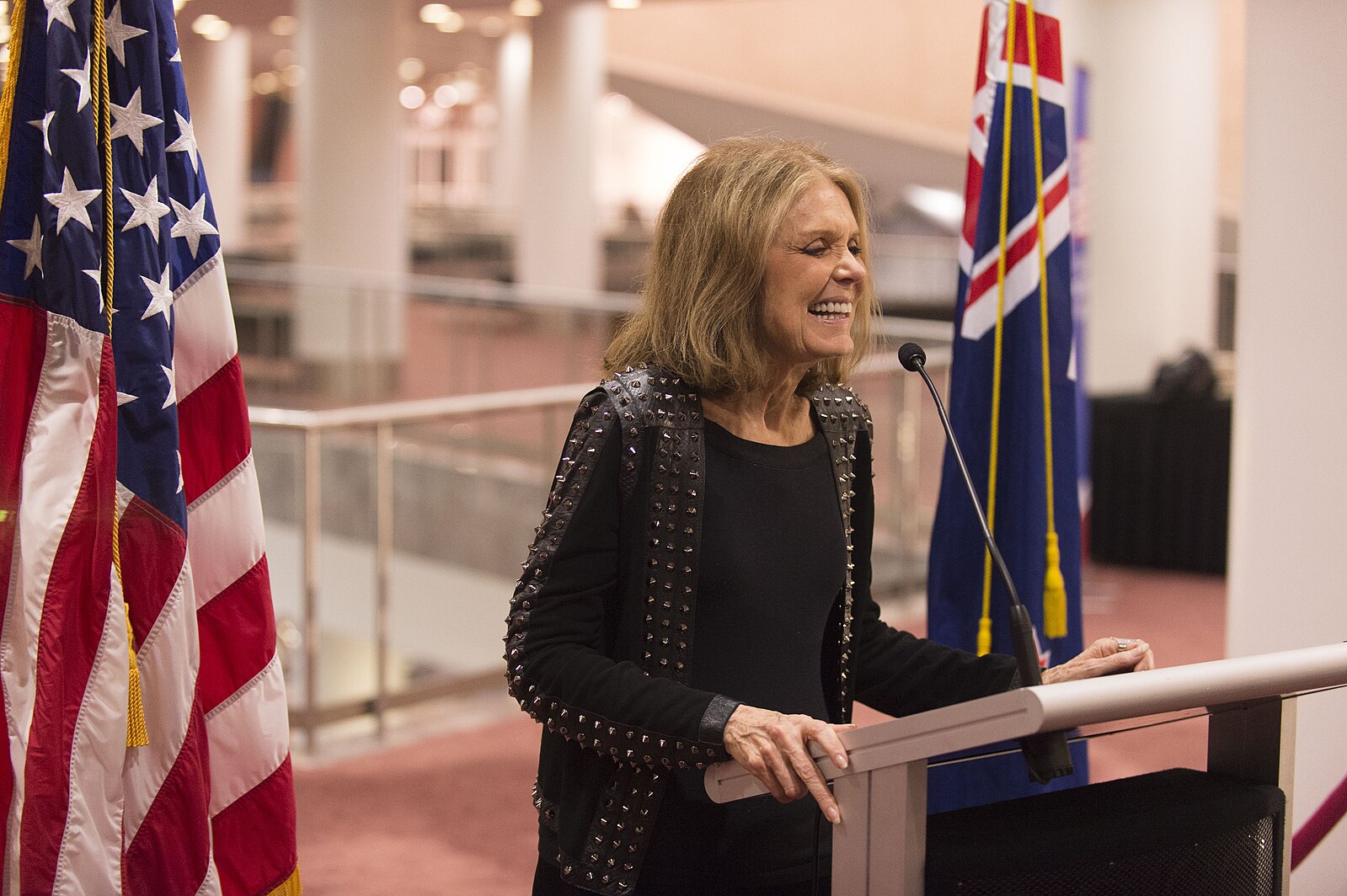
The two most famous quotes attributed to Steinem are probably, “A woman needs a man like a fish needs a bicycle” and, “If men could get pregnant, then abortion would be a sacrament.” However, while Steinem said and popularized both, she made it clear that neither quote originated with her: the first is attributed to Australian writer and activist Irina Dunn, and the second, according to Steinem , was originally said by her frequent speaking partner Florynce Kennedy
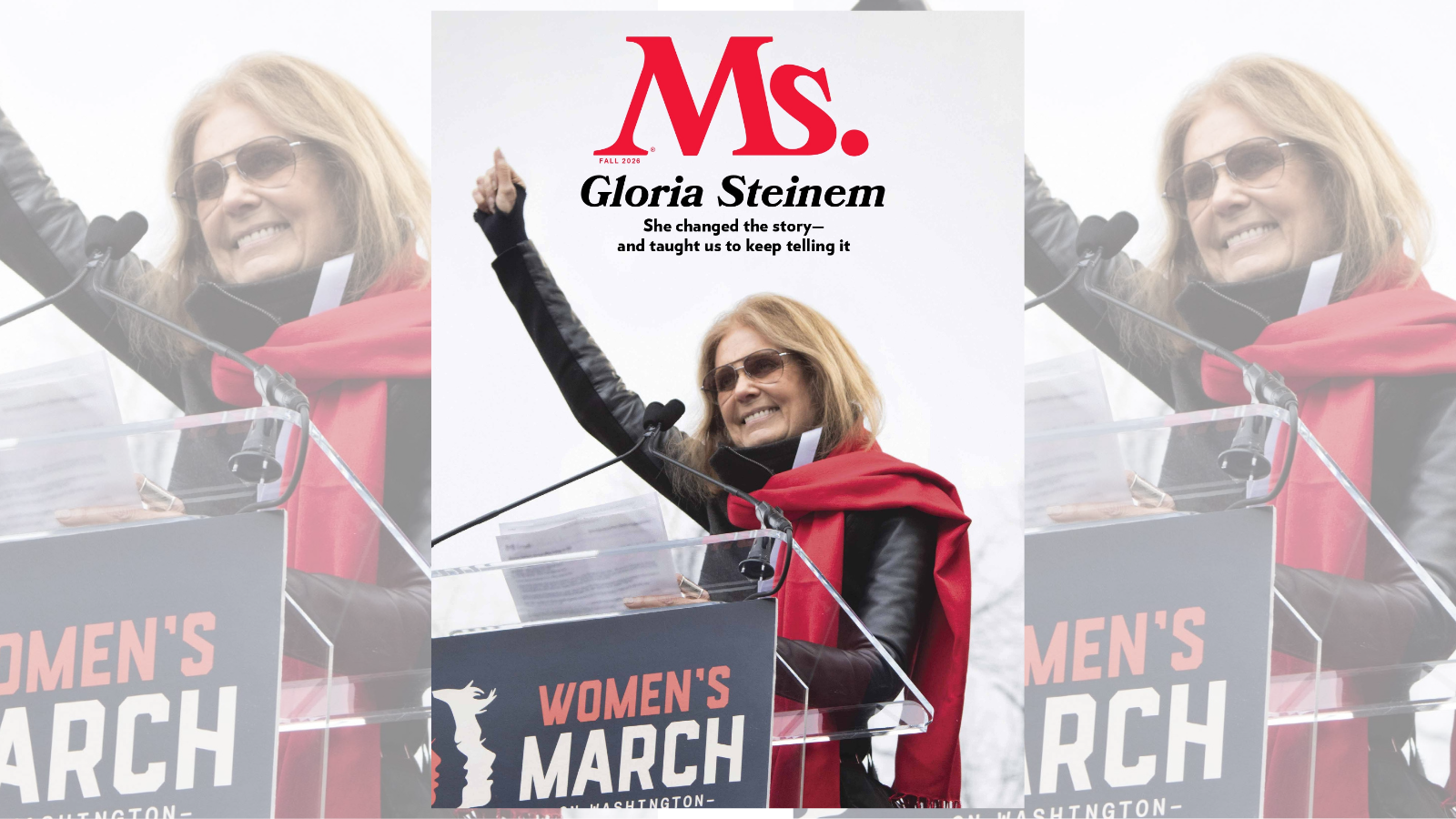
In our Fall 2026 issue, we remember Gloria not only for the words she wrote, the organizations she helped build or the barriers she broke, but for the connections she made.Perhaps her greatest gift was her ability to listen, to make people feel capable of changing the world, and to build relationships across generations and movements. She knew that the work would outlast any one of us. The responsibility was to keep telling the story—and to make room for those who would tell it next.Join today to get our newest issue delivered straight to your mailbox—and help sustain the independent feminist journalism Gloria worked to make possible.


Full Profile Available in Preston Platform.
Full Profile Available in Preston Platform.
Full Profile Available in Preston Platform.
Full Profile Available in Preston Platform.
Full Profile Available in Preston Platform.
Full Profile Available in Preston Platform.
Full Profile Available in Preston Platform.
Full Profile Available in Preston Platform.

Full Profile Available in Preston Platform.

Full Profile Available in Preston Platform.
Talking Points Memo (TPM) is a pioneering digital-native political news organization that has been at the forefront of online jour...
Roll Call is a renowned news publication dedicated to providing comprehensive coverage of the United States Congress, politics, an...
PolitiFact is an independent, non-partisan fact-checking website dedicated to holding public figures and institutions accountable ...
The Washington Free Beacon is an online news publication that prides itself on investigative journalism and uncovering stories tha...
The National Memo, published by Eastern Harbor Media, LLC, is a progressive digital news platform that caters to a dedicated reade...
The Dispatch is a digital news platform that caters to engaged citizens seeking fact-based reporting and insightful commentary on ...
The Hill is a renowned non-partisan political news publication that provides comprehensive coverage of the inner workings of the U...
The Nation is a longstanding progressive publication dedicated to delivering principled journalism that aims to foster a more just...
Vox is a modern digital media platform dedicated to making complex topics accessible and understandable to a broad audience. With ...
The American Spectator is a long-standing political and cultural commentary magazine that has been providing insightful analysis a...