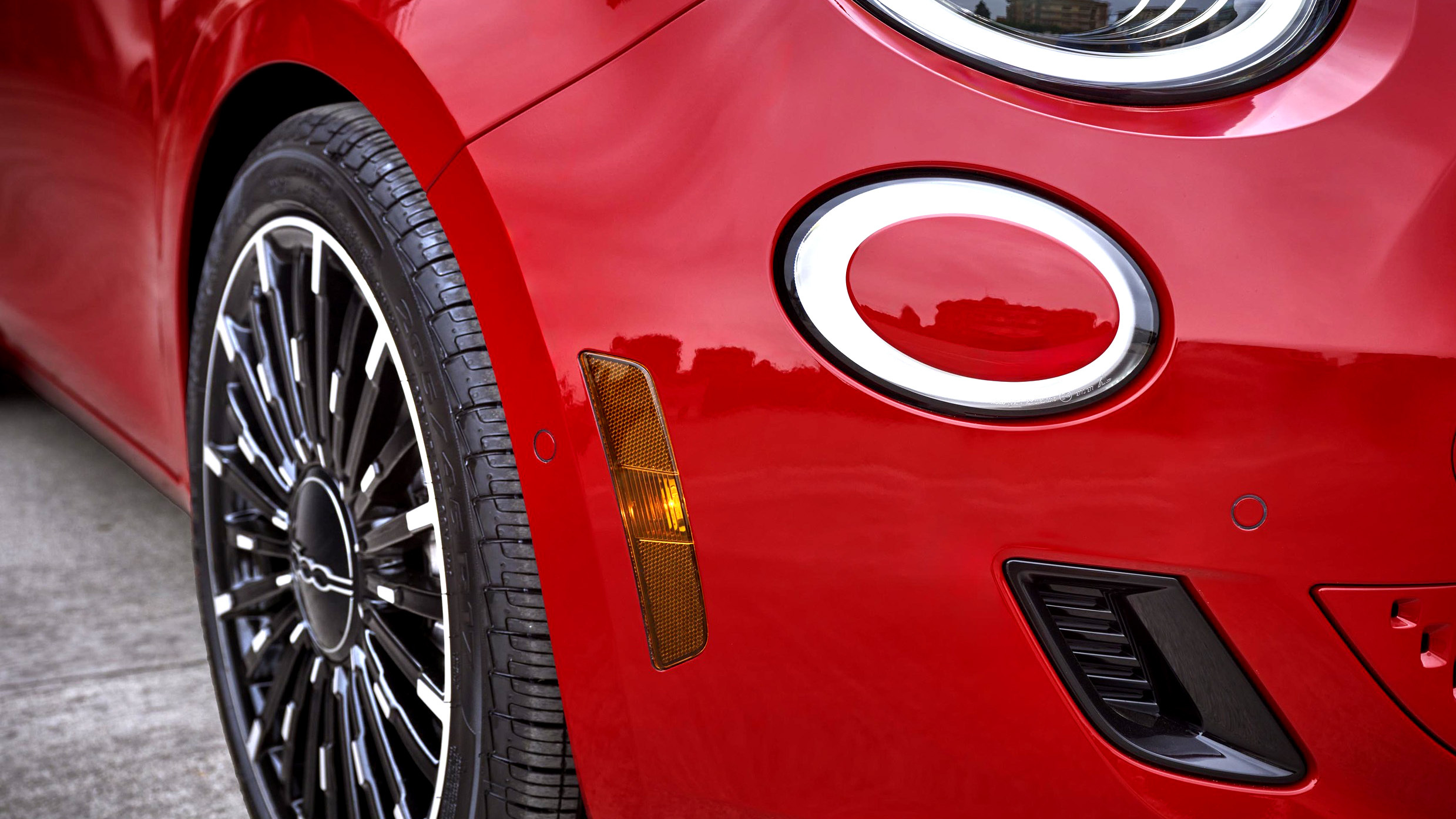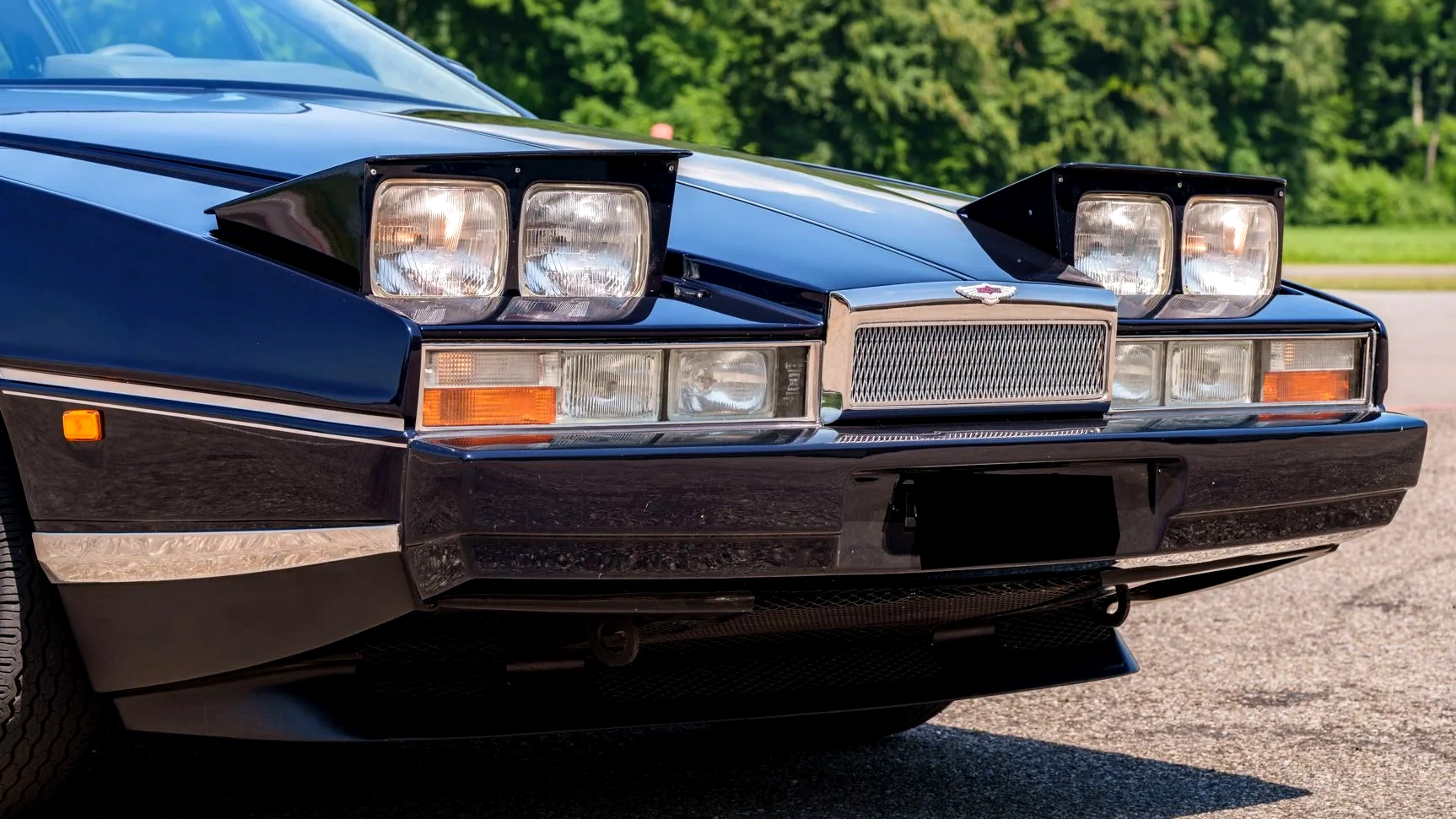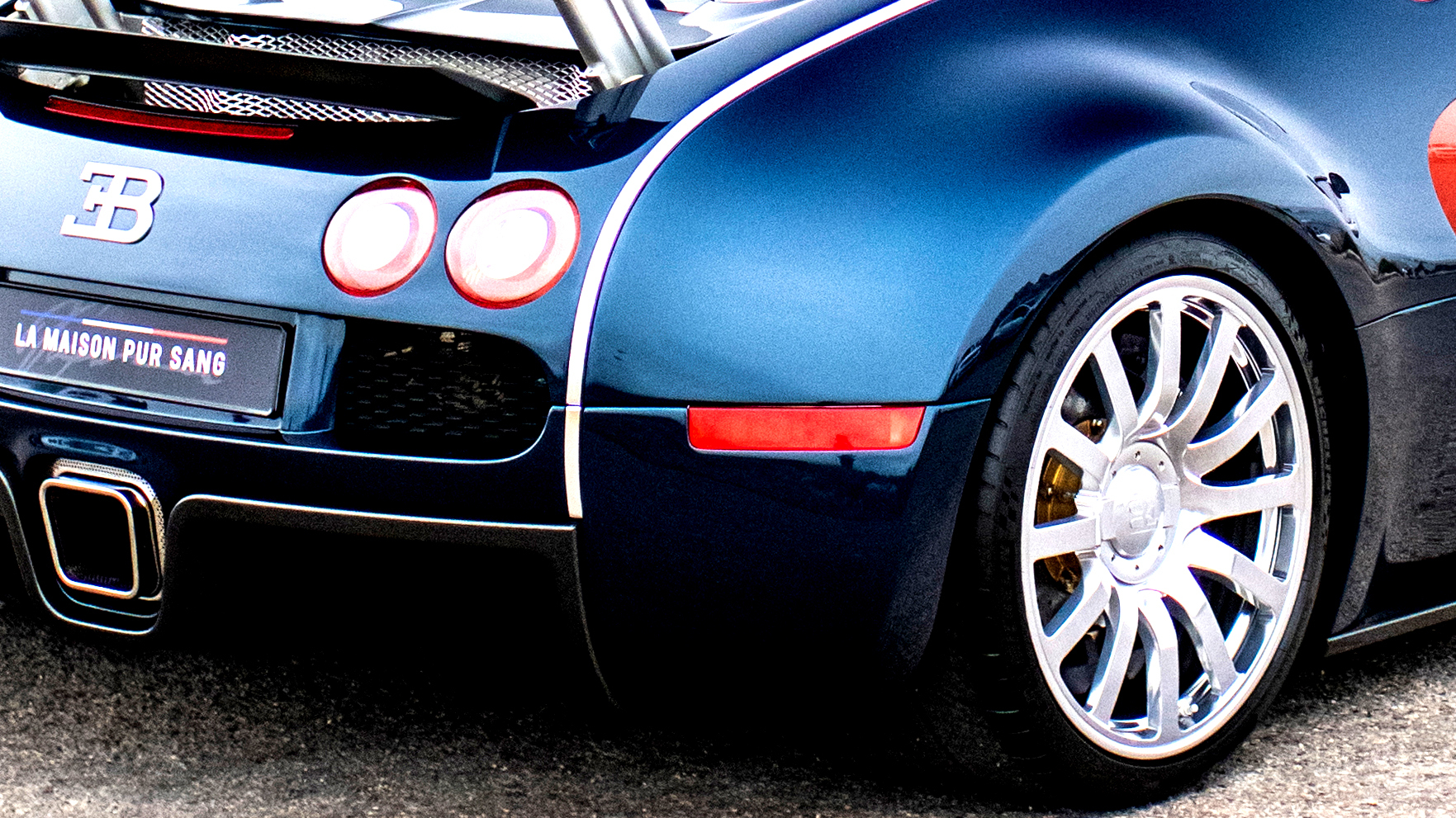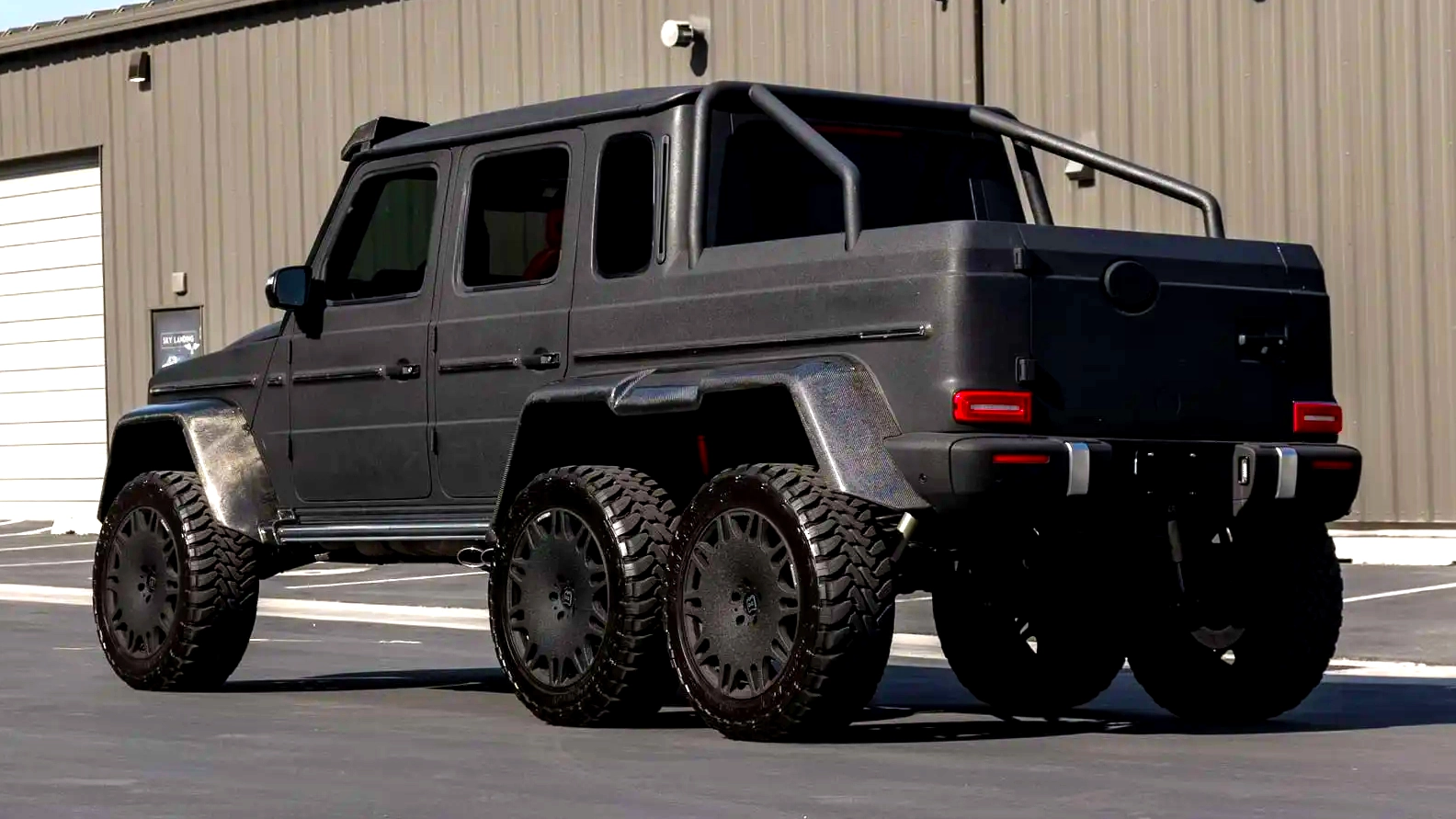
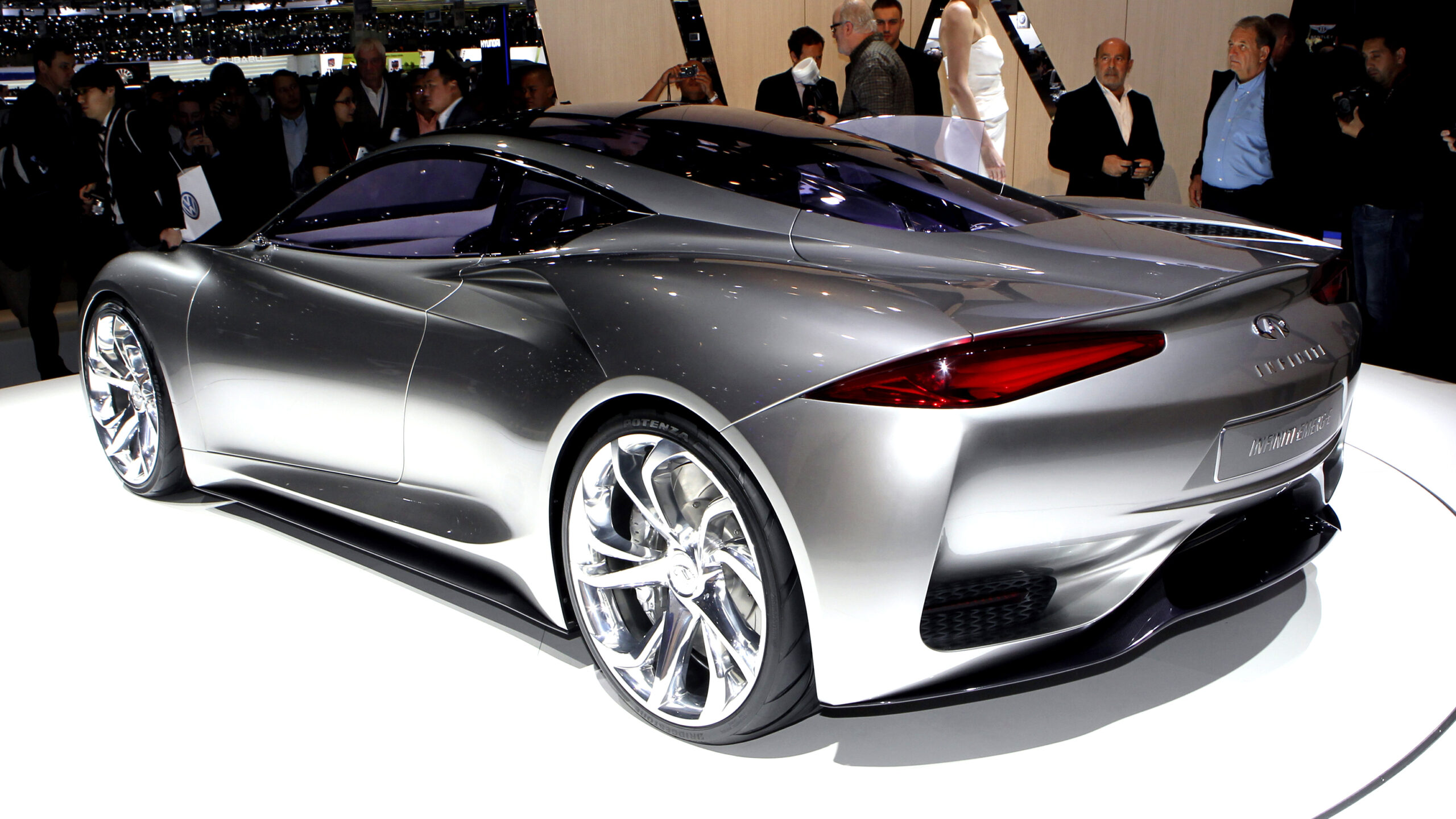
The 402-hp mid-engined Emerge-e looked like a supercar but its engine only ever charged the battery The Emerg-e had a 1.2-liter engine and a pair of electric motors. Design cues from the concept sti...
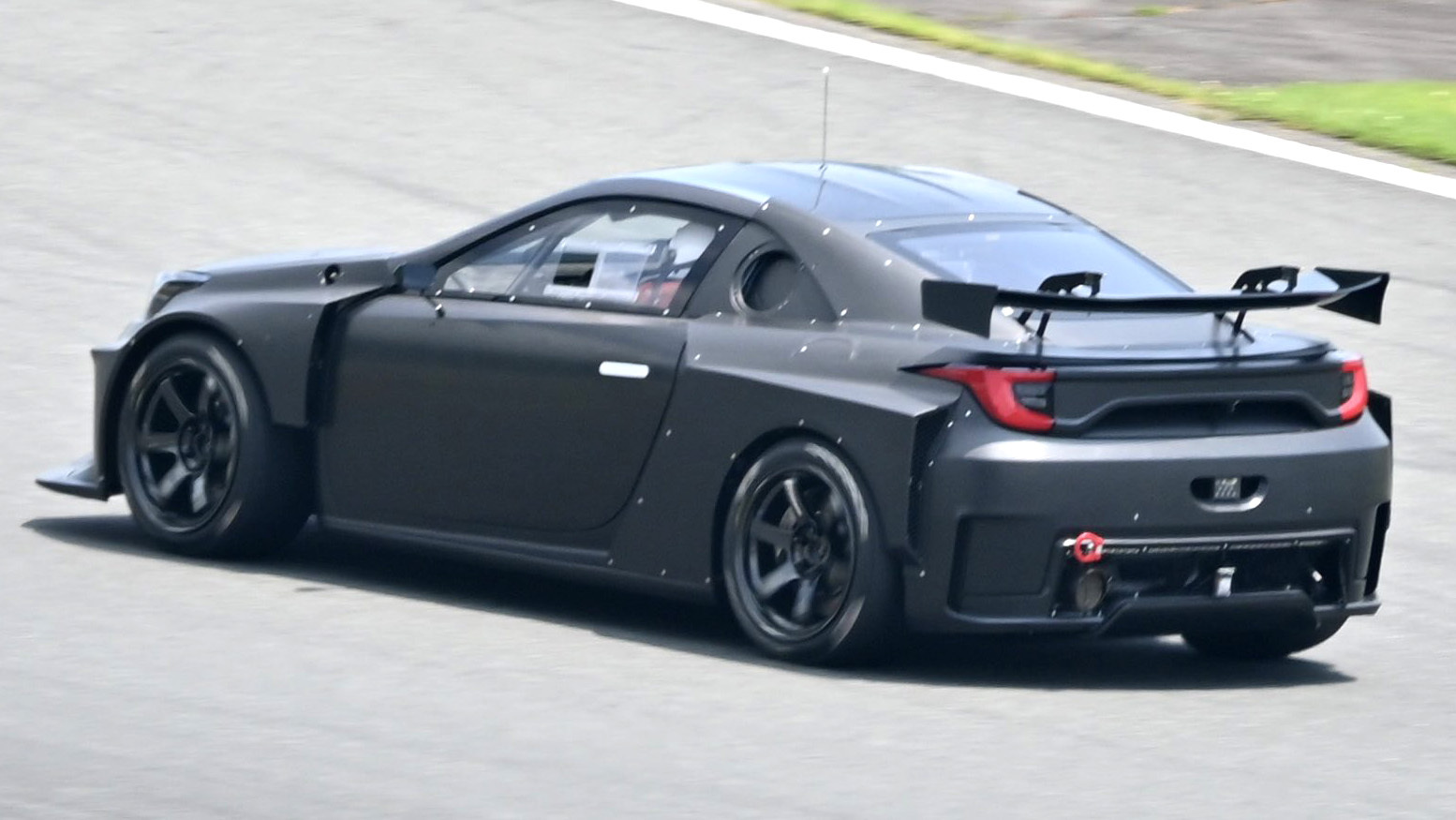
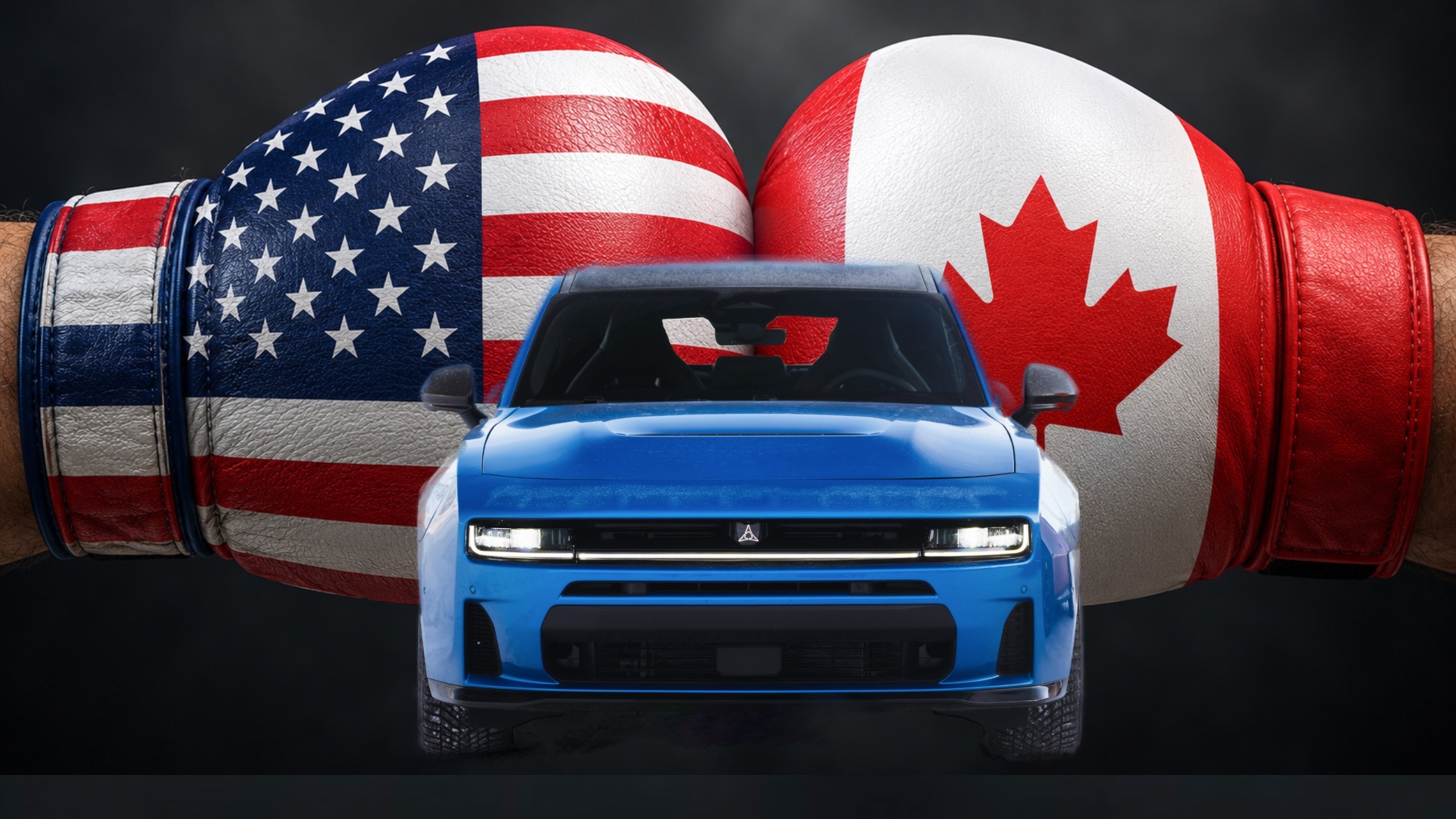
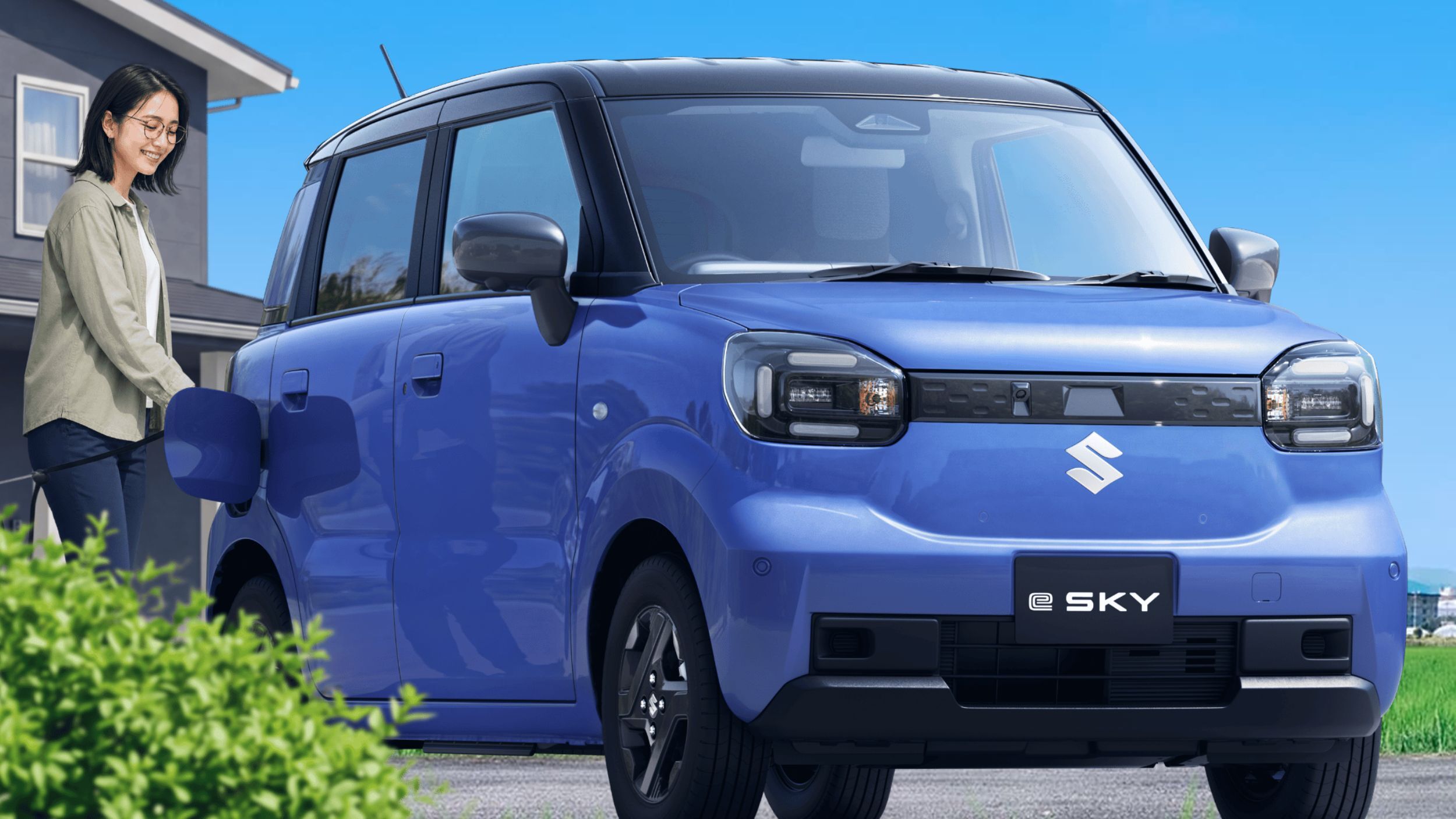
In the past week, the automotive industry has seen significant developments, particularly in the realm of electric vehicles (EVs) and international trade tensions. Toyota's plans for a new MR2 sports car, potentially arriving in 2028, have generated buzz due to its anticipated all-wheel-drive system and a powerful turbocharged engine, which could produce up to 600 hp. Meanwhile, Suzuki has introduced its new electric kei car, the e SKY, in Japan, boasting an impressive range of 193 miles on a small battery. These advancements highlight the industry's ongoing shift towards electrification and performance optimization in compact vehicles. Additionally, the US-Canada trade relations have hit a rough patch, with the US imposing 50% tariffs on Canadian goods, including automotive products, which could impact the cost and availability of vehicles and parts.
In the used car market, there is a notable focus on luxury and performance vehicles, with listings for high-end models such as the Ferrari 458 Spider, BMW X5 M, and Mercedes-Benz SLK 350. This trend suggests a sustained demand for premium vehicles, even in the pre-owned sector. Furthermore, Nissan's aggressive incentive spending strategy aims to capture a larger market share, contrasting with the broader industry's trend of reducing incentives. This move indicates Nissan's commitment to bolstering its presence and competitiveness in the market. Lastly, the automotive industry is also seeing innovation in vehicle-to-grid technology, with California expanding its V2X program to include more EV models, allowing owners to sell power back to the grid, thus promoting sustainable energy practices.