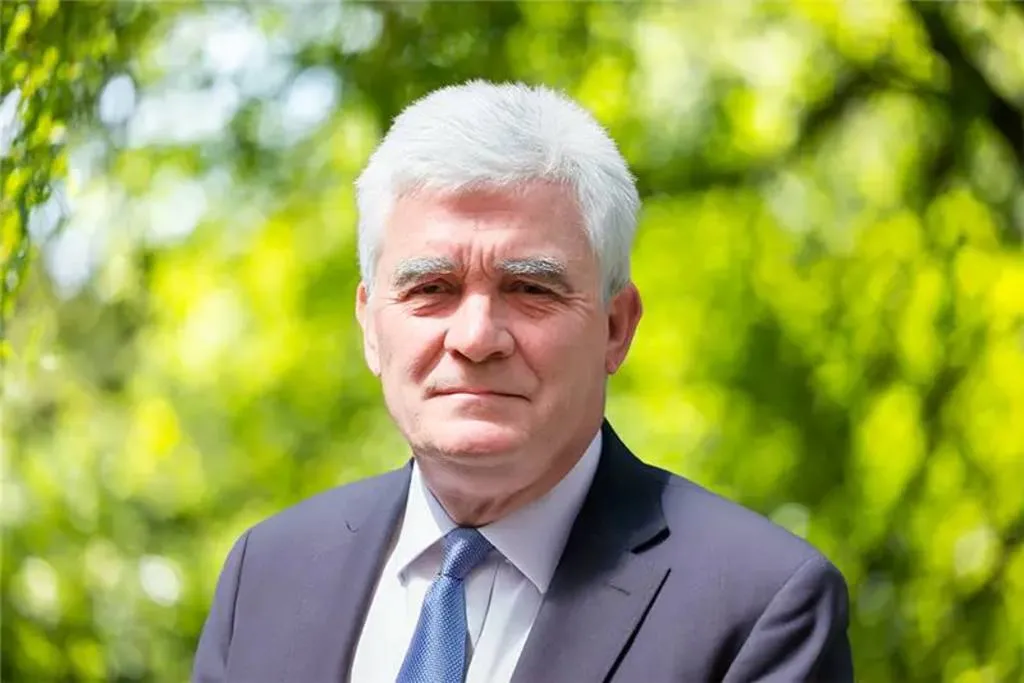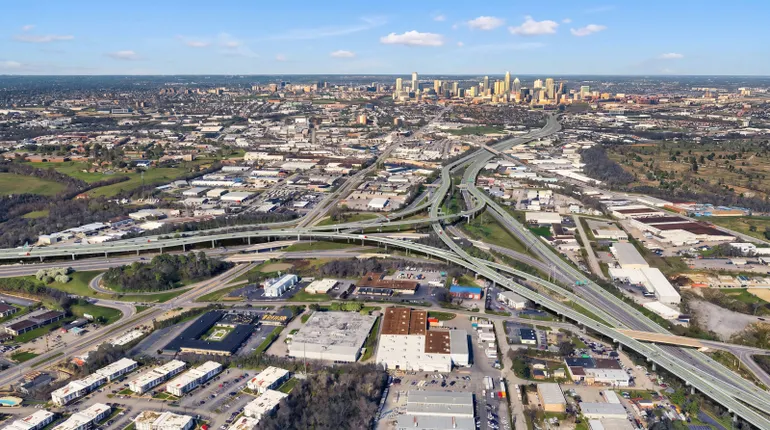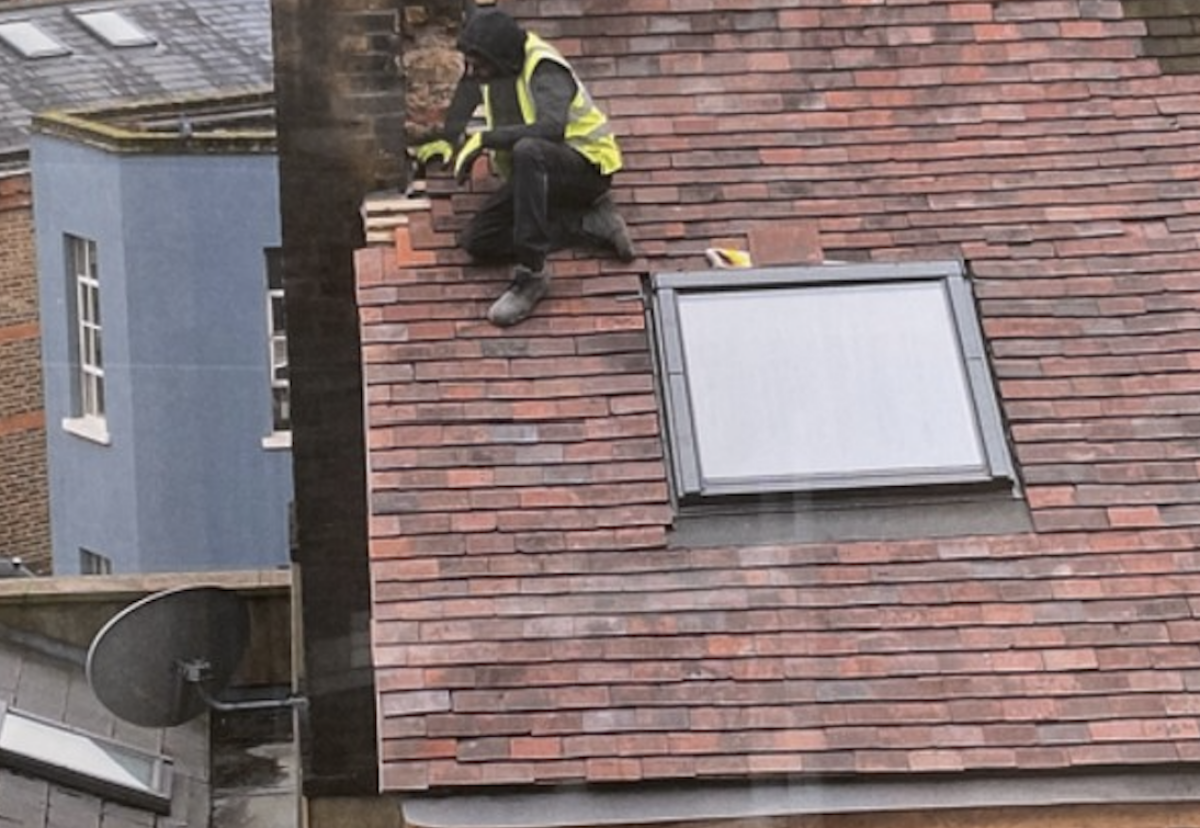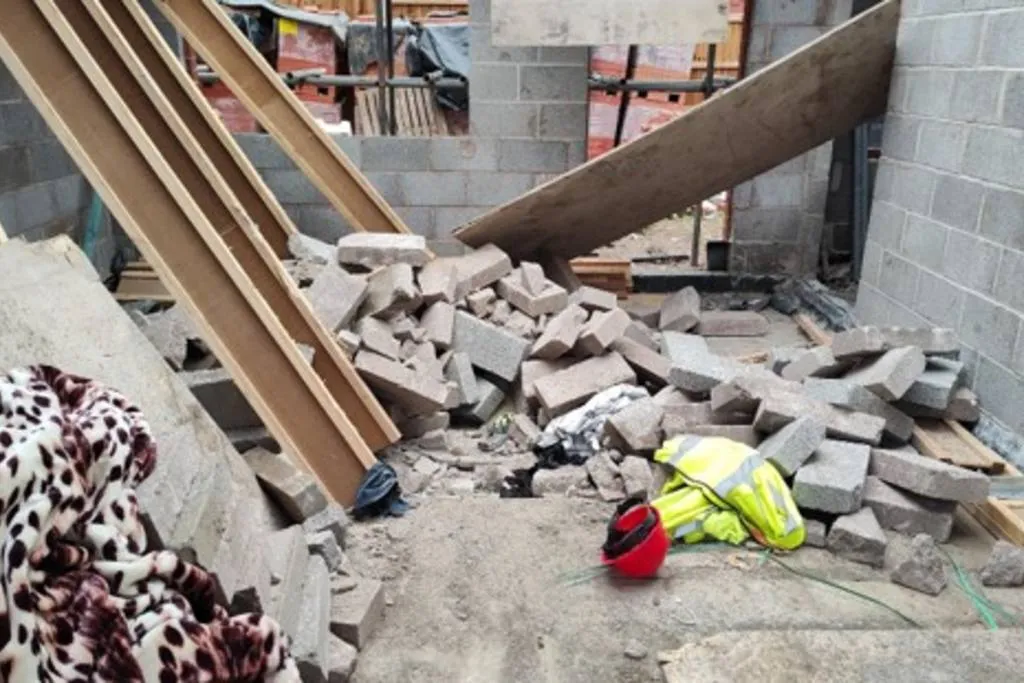

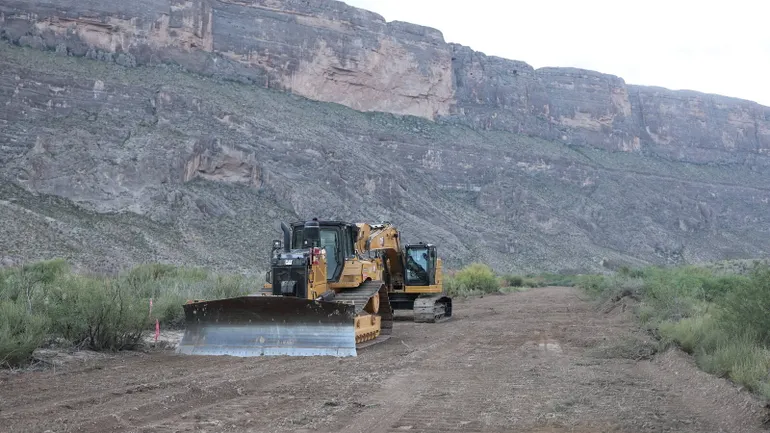
in Texas, according to a Monday agency statement. • CBP Commissioner Rodney Scott said he will conduct a “personal evaluation, talk to some stakeholders, talk to local law enforcement in that area...
In the past week, the construction industry has seen significant developments, particularly in the areas of large-scale projects and sustainability initiatives. Notably, Anglian Water has awarded a £1.5 billion framework for major water and wastewater projects to joint ventures involving Ferrovial, MWH Treatment, and VolkerWessels UK firms. This highlights the ongoing investment in essential infrastructure and the collaboration between major construction firms to deliver these projects. Additionally, the redevelopment of the Cidade Matarazzo in São Paulo into a mixed-use complex exemplifies the trend of transforming historical sites into modern, functional spaces. This project, which includes a hotel and residential skyscraper, underscores the growing focus on integrating new developments with existing urban landscapes while preserving historical architecture.
Sustainability and energy efficiency remain key priorities within the construction sector. The UAE construction industry is increasingly emphasizing energy efficiency, heat protection, and reliable material logistics as strategic priorities, reflecting a broader global shift towards sustainable building practices. This is further evidenced by Tesla's proposal to build a $10 billion solar cell manufacturing site in Texas, which aims to bolster U.S. solar power capacity. Moreover, the Great Lakes Mass Timber Collaborative has received a wood innovation grant to advance mass timber markets and manufacturing capacity, promoting the use of sustainable materials in construction. These initiatives indicate a strong commitment to reducing the environmental impact of construction activities and enhancing the sustainability of building practices worldwide.