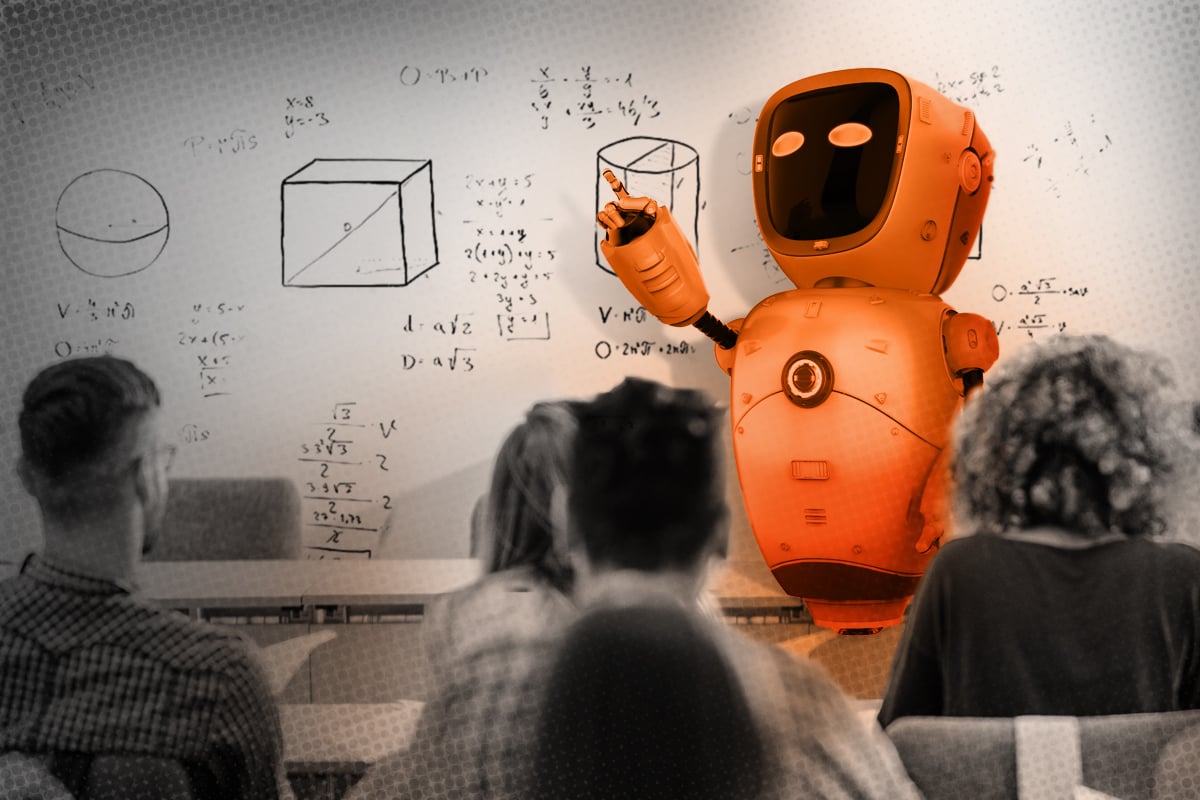


Students, faculty members, and alumni are asking how seriously the school is taking human learning in the age of AI. It is not every day that the laying off of a university bureaucrat generates a tor...
In the past week, several articles have highlighted ongoing challenges and developments in the realm of higher education. One significant issue is the scrutiny and criticism of diversity, equity, and inclusion (DEI) initiatives, particularly in light of recent legal challenges such as the Students for Fair Admissions v. Harvard case. This has led to a reevaluation of affirmative action policies and their implementation in university admissions, with some institutions facing allegations of forced settlements in antisemitism cases under the Trump administration. Additionally, the integration of AI in educational settings is gaining attention, with discussions focusing on the costs and implications of AI technologies on academic integrity and the broader educational landscape. These developments underscore the dynamic and often contentious nature of policy and practice in higher education.
Another prominent theme is the structural and administrative changes within universities. Jacksonville State University, for instance, dissolved its Faculty Senate to comply with new state laws, reflecting a broader trend of governance shifts in educational institutions. Moreover, the challenges of maintaining academic freedom and a healthy campus climate have been emphasized, as seen in the University of California at Berkeley's recent report. The report stresses the importance of trust and good faith in safeguarding academic freedom. Meanwhile, the financial pressures on institutions are evident, with many colleges struggling to submit required student outcomes data, risking potential consequences from the Education Department. These articles collectively highlight the ongoing evolution and challenges faced by higher education institutions in adapting to legal, technological, and administrative demands.