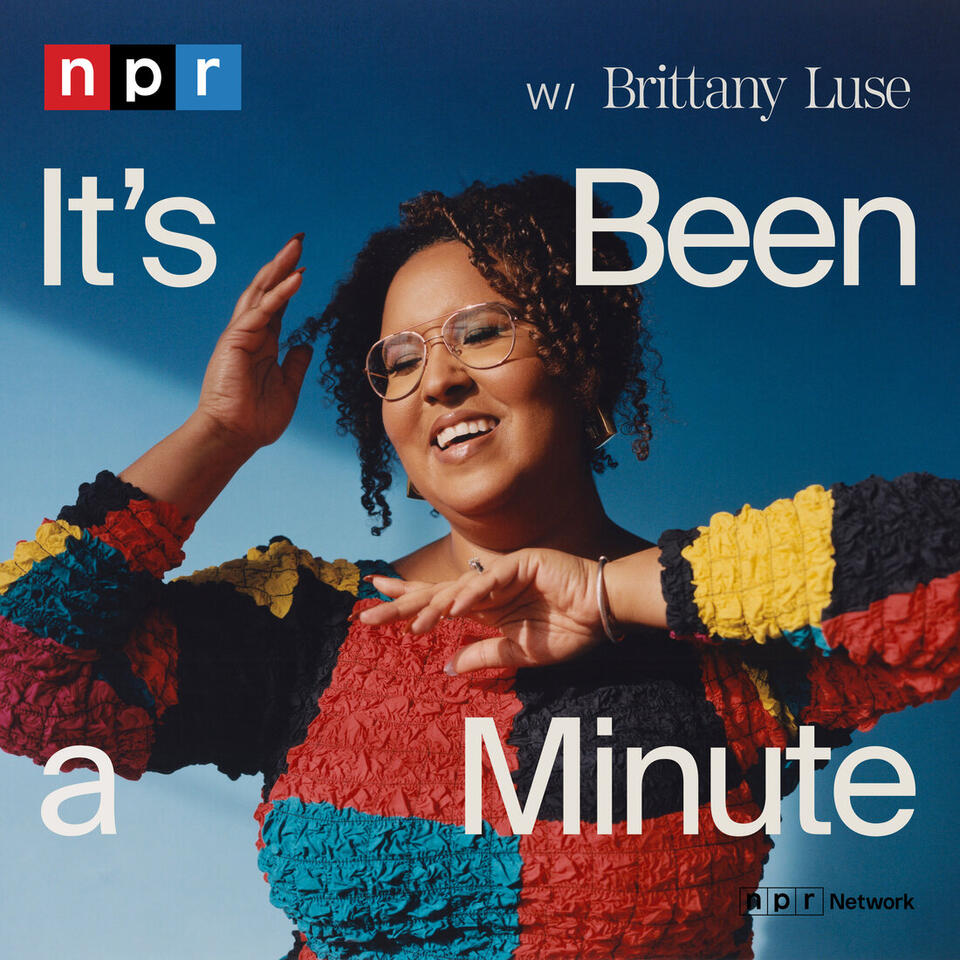


Can AI really do everything by itself?AI has impressed a lot of people with its output. But even though it’s sold as an autonomous, inhuman tool, there’s a lot of human work that goes into it. While that work does happen in the US, many AI laborers also live overseas – and get paid less to do it. Everything that goes into making AI function – from the data it feeds on to the labor that trains it – smacks of colonialism, according to some scholars and researchers. This has led to the emergence of the term "data colonialism." Is this comparison a fitting one, and what are the broader implications of data colonialism for society at large?Brittany gets into it with Regine Cabato, a freelance journalist based in the Philippines who’s written about AI laborers there for The Washington Post, and Ulises Mejias, professor at SUNY Oswego and co-author of the book Data Grab the New Colonialism of Big Tech and How to Fight Back.For more episodes about AI and modern life, check out:You might be suffering from AI brain fryMe and my partner don't see eye-to-eye about AI. Now what?The hard work of having "good taste"Support Public Media. Join NPR Plus.Follow Brittany on Instagram: @bmluseFor handpicked podcast recommendations every week, subscribe to NPR’s Pod Club newsletter at npr.org/podclub.
Brittany Luse is a host at NPR. She is an award-winning journalist and cultural critic, focusing on themes of arts and entertainment, including mental health, pop culture, and the music business. Brittany's work has been featured in numerous outlets, including Boise State Public Radio, KQED, and WBUR.