


By: Cindy Calle, Jorge Diaz
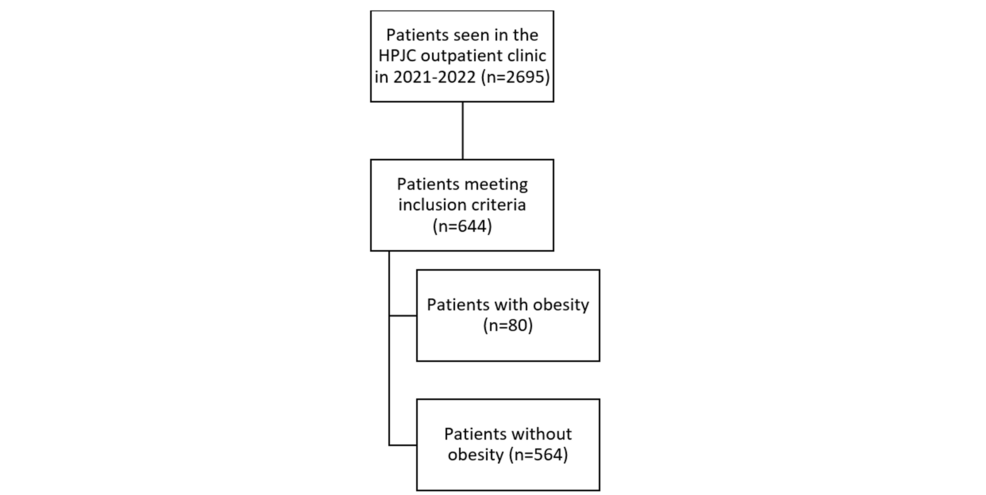
Introduction: Childhood obesity has become increasingly prevalent and represents an important public health concern. This study aimed to determine the prevalence of childhood obesity, identify associated risk factors, and describe related clinical findings in a pediatric population in Cuenca, Ecuador.Methods: A cross-sectional, observational, and analytical study was conducted with 644 patients who attended the outpatient clinic of Hospital Humanitario Fundación Pablo Jaramillo Crespo between July 2020 and June 2021. Data were obtained from the HPJC electronic medical records and processed using an original questionnaire. Prevalence rates, obesity classifications, and associations with risk factors were analyzed using odds ratios (OR). The presence of metabolic syndrome and related clinical signs was also evaluated.Results: Of the total sample, 43.17% (n=278) were boys and 56.83% (n=366) were girls. The highest prevalence of childhood obesity occurred in the 12-18-year age group (41.25%). The overall OBI prevalence was 12.4%, with class I obesity being the most frequent (70%). The strongest associated risk factors were family history of obesity (OR 7.91; 95%CI 4.5-13.90), daily consumption of pastries and/or sugary drinks (OR 8.38; 95%CI 4.94-14.20), and snacking between meals and/or skipping meals (OR 8.71; 95%CI 4.78-15.91). Metabolic syndrome was present in 36.96% of patients. The most frequent clinical findings were increased abdominal circumference (73.75%), abdominal striae (43.75%), hypertriglyceridemia (43.75%), and hypercortisolemia (36.36%).Conclusions: Comprehensive assessment of pediatric patients with attention to modifiable risk factors, particularly dietary habits, physical activity, and screen time, is essential. Early intervention targeting these factors may reduce the prevalence and complications of childhood obesity.