
By: Paul Gray
London Stock Exchange Group Honoured with Gold Defence Employer Recognition Scheme Award


Not enough data
Paul Gray's coverage revolves around human resources, employment, health & wellbeing, and family & relationships. He often cites data and covers events related to these themes.
To effectively reach out to Paul Gray, provide insights or expert commentary on workforce challenges during the "Great Resignation," traditional Thanksgiving celebrations in local schools, navigating through extreme weather for homeless communities, or strategies for addressing the digital skills gap and diversity in the workplace.
Consider pitching new data findings relevant to his covered topics or providing context around government announcements that impact employment policies or community welfare programs.
This information evolves through artificial intelligence and human feedback. Improve this profile .


By: Paul Gray
London Stock Exchange Group Honoured with Gold Defence Employer Recognition Scheme Award

By: Paul Gray
When Awardco needed to scale its marketing velocity, it turned to Webflow and partner agency Amply to build a flexible, fast and future-ready website.

By: Zander Rawlins, Lewis Gaut, Goodwin, Paul Gray, Joshua Eisenson
Private equity investment in European sports is no longer a novel concept, but its influence continues to expand. CVC Capital Partners’ recent...
Private equity investment in European sports is no longer a novel concept, but its influence continues to expand. CVC Capital Partners' recent consolidation of its sports investments...
By: Paul Gray
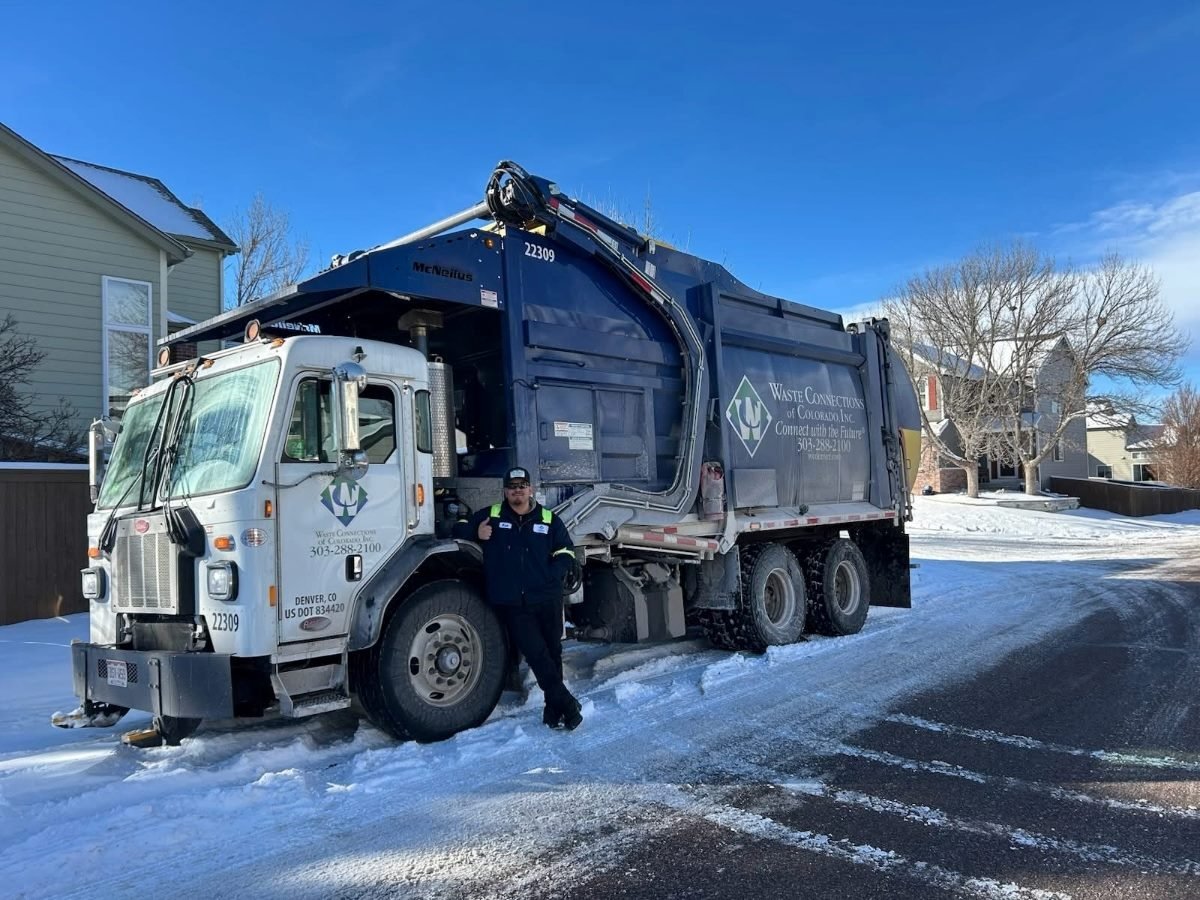
The Waste Connections team needed a platform that could modernize the customer experience. They turned to Webflow.
By: Paul Gray
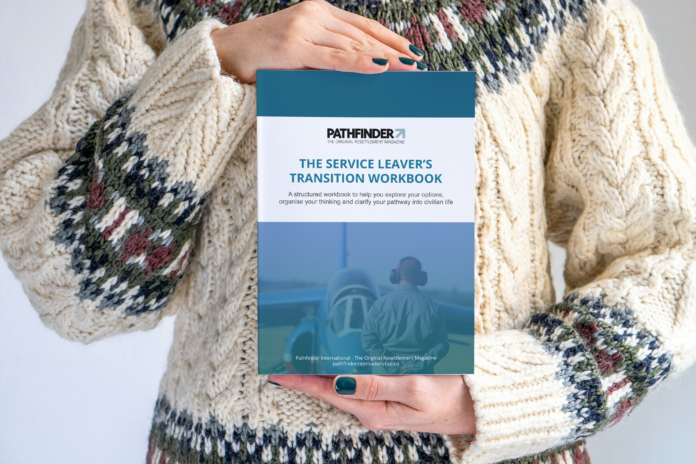
A practical 200-page workbook to help service leavers plan careers, finances and life after leaving the Armed Forces

By: Terri Libesman, Wendy Hermeston, Paul Gray, Kirsten Gray
Indigenous Self-Determination in Child and Family Systems: Reclaiming Law, Restoring Relationships,
"Spare a thought today for the UK employers, government departments, health boards, academic institutions and sporting bodies who've been breaking equality law to appease activist groups. So many HR manuals to pulp. So many out-of-court settlements to pay."
By: Paul Gray
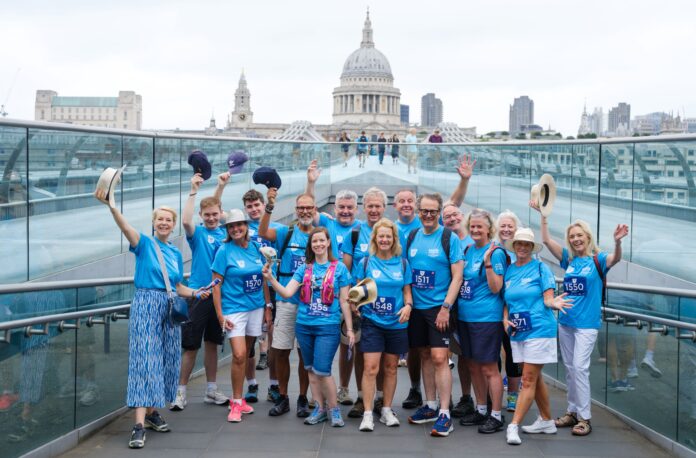
London will once again come together in support of the Armed Forces community on Saturday 27 June 2026, as SSAFA, the Armed Forces charity, hosts its unique and award-winning walking event: the 13 Bridges Challenge.