By: Poppy Taylor
Wondering whether chocolate belongs in the fridge during a heatwave? From the ideal storage temperature to the best ways to enjoy your favourite bars in the sunshine, a Mars Wrigley chocolate scientist has shared her top tips.

United Kingdom (National)

Not enough data
Poppy Taylor's articles predominantly cover beauty & fashion, content & publishing, and deals & promotions. Her coverage attributes include announcements, press releases, data citations, reviews and expert commentary.
To effectively reach out to Poppy Taylor with pitches or contributions for her articles:
1. Offer newsworthy announcements: Provide exclusive news about product launches, collaborations or events in the beauty and fashion industry.
2. Present data-driven insights: Share statistics or research findings related to trends in the beauty and fashion sector that can add credibility to her pieces.
3. Provide expert commentary: Propose interviews with notable figures from the beauty and fashion world who can offer insightful perspectives on relevant topics.
When reaching out to Poppy Taylor, keep in mind her focus on specific themes such as Beauty & Fashion; Content & Publishing; Deals & Promotions. This will help tailor your pitches effectively towards her areas of interest.
This information evolves through artificial intelligence and human feedback. Improve this profile .



By: Poppy Taylor
Wondering whether chocolate belongs in the fridge during a heatwave? From the ideal storage temperature to the best ways to enjoy your favourite bars in the sunshine, a Mars Wrigley chocolate scientist has shared her top tips.
What does a world-class DJ keep in her pockets when she steps behind the decks in Ibiza? For electronic music star Korolova, the answer is a mix of practical tour essentials, beauty staples and one particularly personal reminder of why she does what she does.
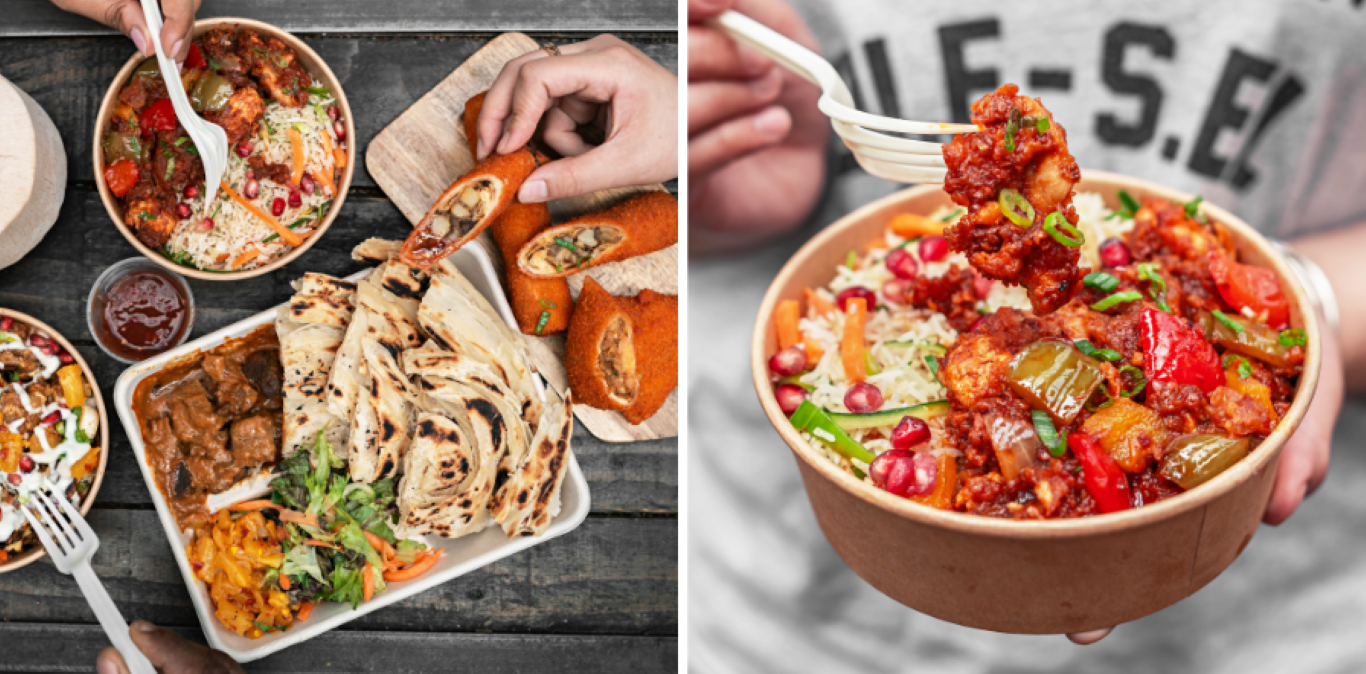
London's food scene is getting a fiery new addition as award-winning Sri Lankan restaurant Karapincha joins BOXHALL City's Kitchen No.8, bringing traditional family recipes, bold spices and vibrant Sri Lankan flavours to the heart of the capital.
By: Poppy Taylor
Parents reveal the childhood summer traditions they fear are disappearing, as new research finds children are spending more than 10 hours a day indoors.
With the August Bank Holiday just around the corner, SENTIA is putting a new spin on summer hosting with four easy cocktails designed to bring the ritual and sociability of a drink to the table – without the alcohol.
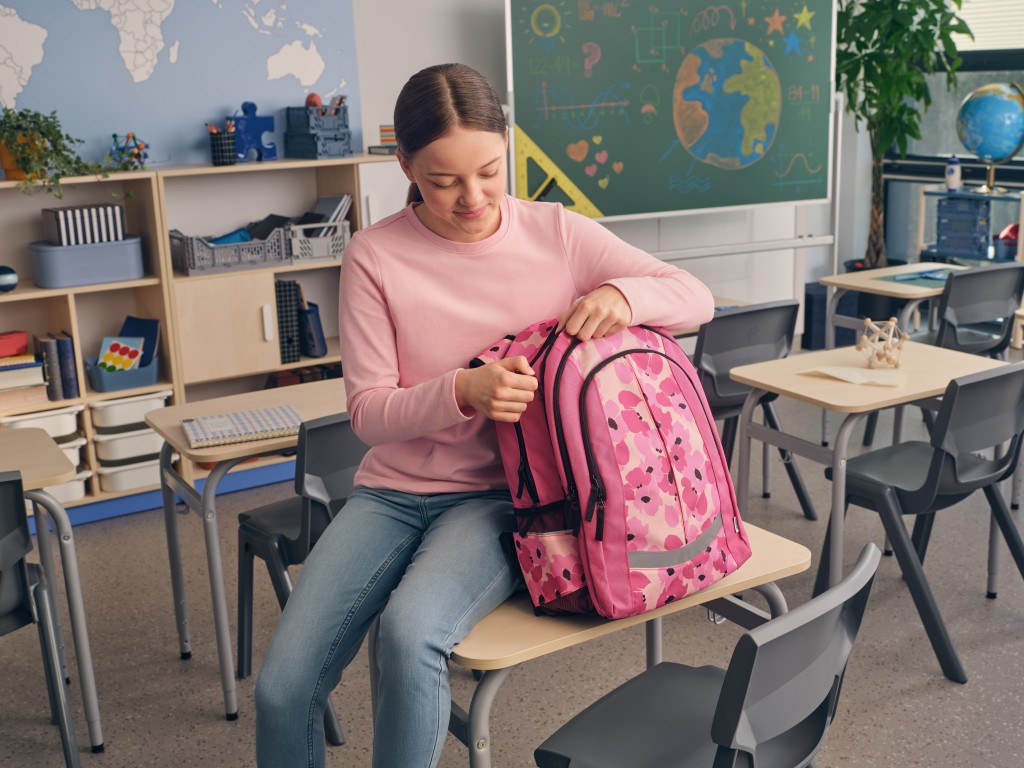
With the summer holidays entering their final stretch, parents across England and Wales are beginning to prepare for the new school year – and Lidl is hoping to make the annual shopping trip a little easier on the wallet.
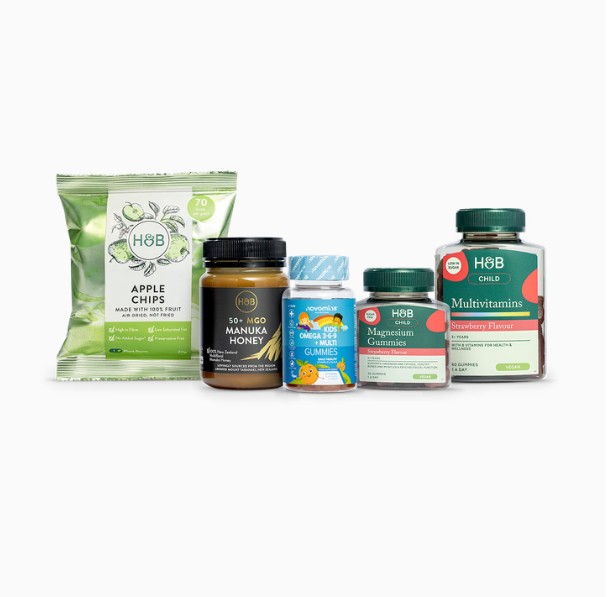
As families prepare for the return to school, Holland & Barrett has launched a new Kids Family Essentials Bundle , bringing together five everyday wellness and lunchbox products for a discounted price of £31.
The Google Pixel 11, Pixel 11 Pro, Pixel 11 Pro Fold and Pixel 11 Pro XL are now available from Vodafone, with customers able to save thousands through trade-in offers and access flexible upgrade options.
By: Poppy Taylor
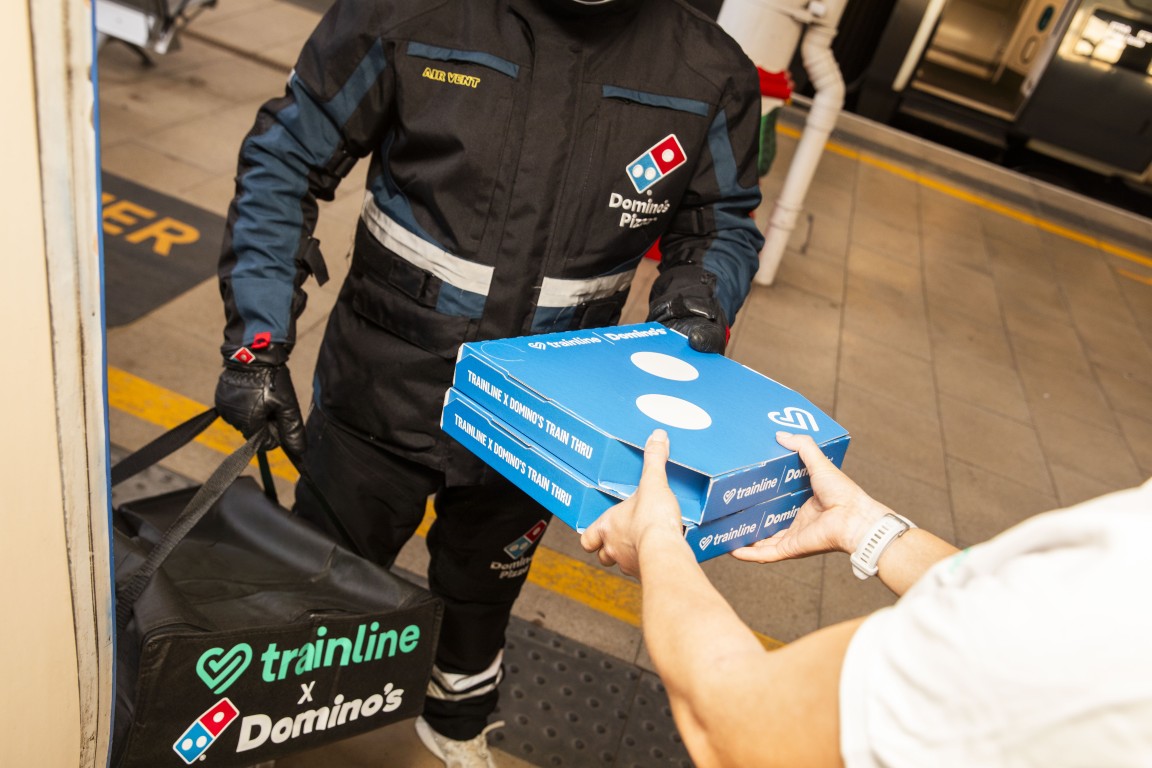
Bank Holiday train travel is getting a seriously tasty upgrade, as Trainline teams up with Domino's to launch the UK's first-ever Train Thru service.
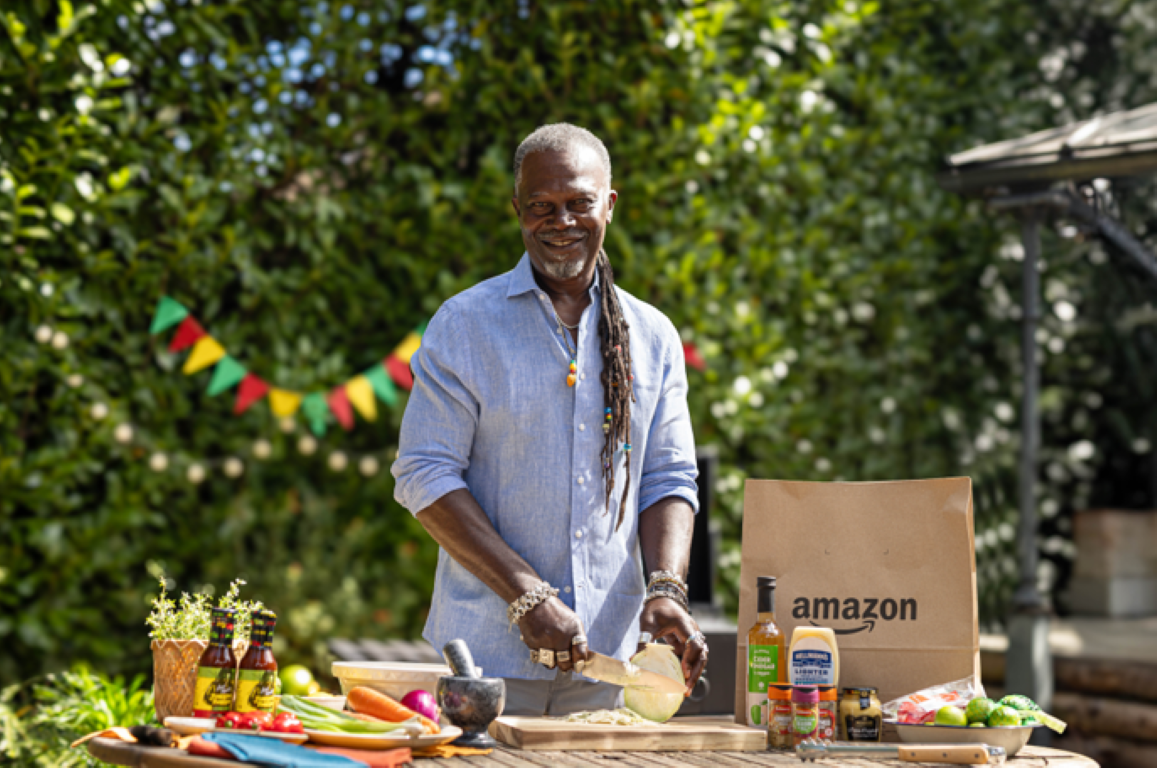
With the August Bank Holiday weekend just around the corner, Amazon has teamed up with Levi Roots to bring a Caribbean-inspired twist to this summer's BBQs.