





By: Robert Adams
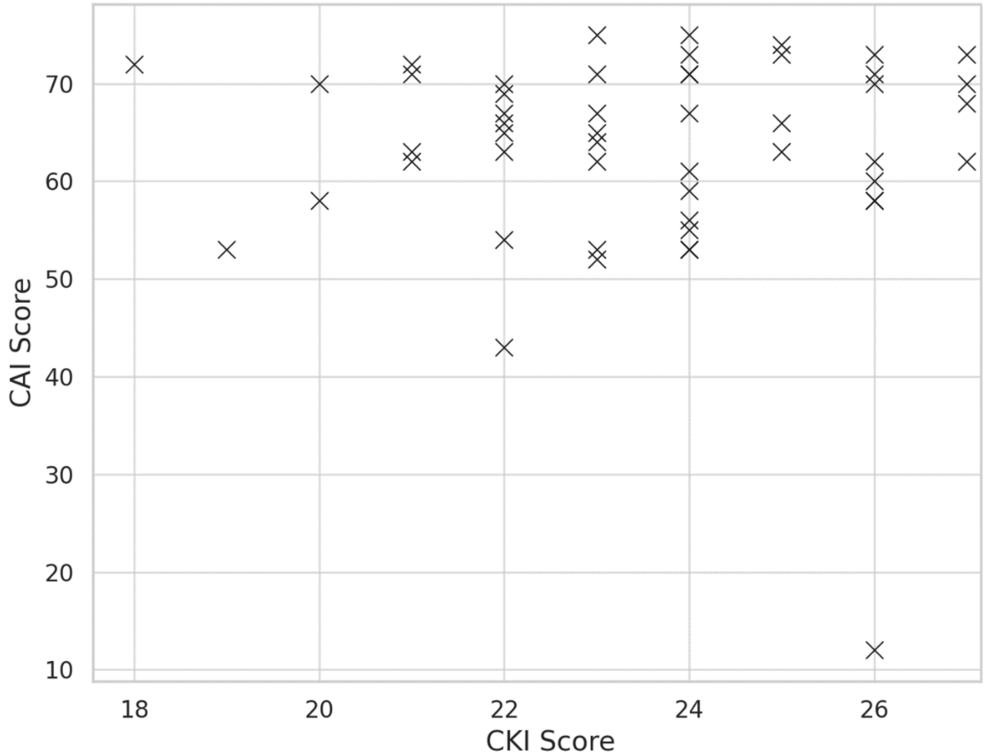
Introduction and aimSports-related concussion is a recognized public health concern due to its acute and long-term neurological consequences. While most research has focused on elite athletes, amateur male footballers, who comprise the majority of UK football participants, remain under-investigated. This study aimed to evaluate concussion knowledge and attitudes among adult amateur male football players in the United Kingdom using the validated Rosenbaum Concussion Knowledge and Attitudes Survey (RoCKAS), and to explore the relationship between knowledge and attitudes.MethodsA cross-sectional survey was distributed online between February and June 2025. Eligible participants were male amateur football players aged 18 or above. The survey assessed knowledge via the Concussion Knowledge Index (CKI) and attitudes via the Concussion Attitudes Index (CAI). Descriptive statistics and Pearson correlation were used to analyze responses.ResultsFifty-seven respondents completed the survey. The mean CKI score was 19.92 (SD 3.58), and the mean CAI score was 63.47 (SD 10.43), indicating generally good knowledge and positive attitudes. However, key misconceptions persisted, and 38.6% (n=22) reported that they would continue playing despite symptoms. No significant correlation was found between knowledge and attitudes (r=0.03, p=0.83).ConclusionWhile factual understanding was generally strong, key misconceptions and risk-tolerant behaviors persist. The lack of association between knowledge and attitudes reinforces existing concerns that education alone may be insufficient to change behavior. Multifactorial, context-sensitive strategies that address psychosocial and cultural influences may be more effective in improving concussion safety within amateur football.