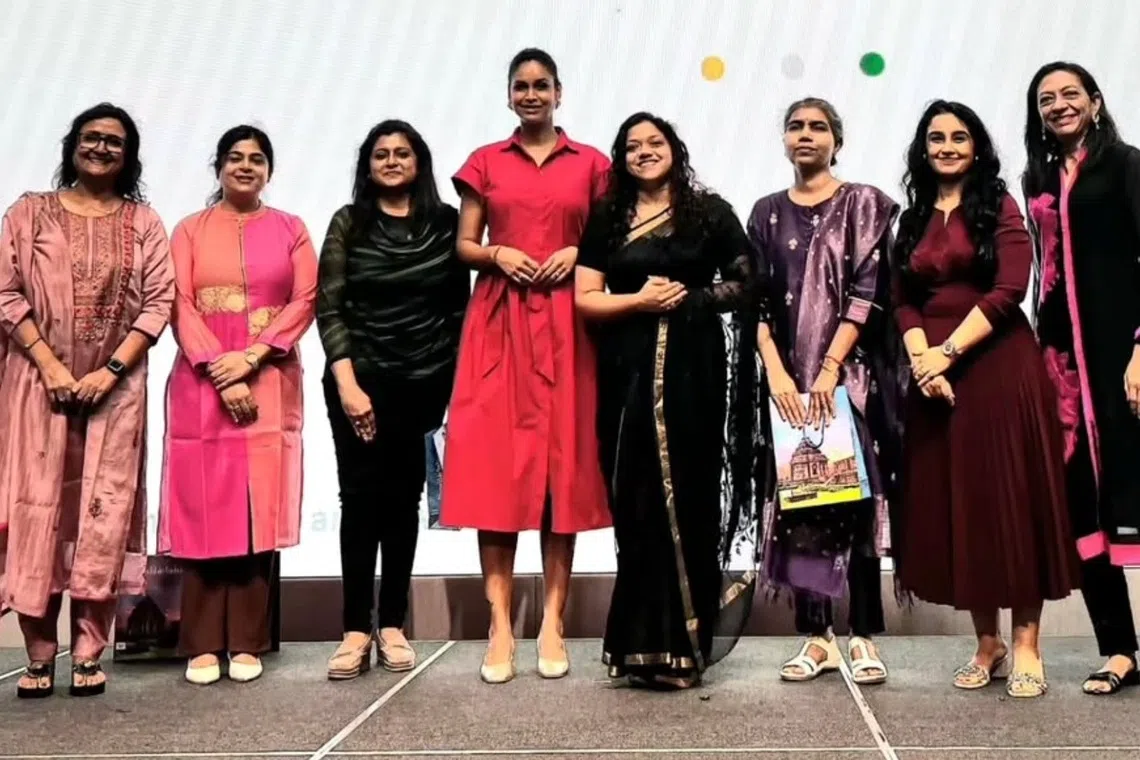
By: Santosh Kumar
V.K. SANTOSH KUMAR The High Commission of India (HCI) in Singapore has expanded its efforts to support Indian women (from India living in

Santosh Kumar is a Principal Correspondent at various esteemed publications. He covers a diverse range of topics including sports, competitive sports, culture, and regional interest, with a particular focus on commercial real estate and the intersection of sports and culture. Santosh's work has been featured in prominent outlets such as Bloomberg News, The Economic Times, and Forbes India.
Preston is the artificial intelligence that powers the Intelligent Relations PR platform. Meet Preston

Not enough data
Santosh Kumar's coverage primarily revolves around government and politics, with a significant focus on local issues in Bangalore, India. He also delves into scientific topics and healthcare.
Given his emphasis on government announcements and data citations, Santosh may be interested in pitches related to local political developments in Karnataka or specific policies and their impact at the ground level.
For scientific subjects, he may appreciate pitches that explore advancements or challenges within the field of biosensors, nanocomposites for wearable technology, agriculture (especially concerning rice), urban development projects like lake renovations as well as health-related matters such as infertility and ovarian reserve studies.
When reaching out to him about these topics, make sure your pitch connects directly with Karnataka or Bangalore when relevant.
This information evolves through artificial intelligence and human feedback. Improve this profile .





By: Santosh Kumar
V.K. SANTOSH KUMAR The High Commission of India (HCI) in Singapore has expanded its efforts to support Indian women (from India living in

By: Santosh Kumar
The Gujarat government built a memorial and museum, Smritivan, to remember the loss of human lives in the tragic 2000 Bhuj earthquake.

By: Santosh K. Nayan, Abhay Kumar, Brajesh K. Yadav, Anand Dev, Siddharth Singh, Rajbahadur Singh, Santosh Kumar, Raj B. Singh, Siddharth Singh
Introduction and aim: Hypertensive emergencies, defined as an abrupt and severe elevation in blood pressure with acute target-organ damage, represent a critical condition with substantial morbidity and mortality. Cardiac involvement, particularly myocardial injury, is common but often under-recognized in acute settings. Measurement of cardiac troponin and electrocardiographic (ECG) assessment is essential for identifying myocardial damage, guiding early intervention, and prognostic evaluation in patients with hypertensive emergencies. This study aimed to evaluate the relationship between cardiac troponin levels, ECG changes, and blood pressure severity in predicting outcomes, including mortality, among patients with hypertensive emergencies admitted to the emergency department.Methods: A prospective observational study at a tertiary care center in Eastern India enrolled 140 patients with systolic blood pressure (SBP) ≥180 mmHg and diastolic blood pressure (DBP) ≥110 mmHg with target-organ damage. Exclusion criteria included trauma, malignancy, and infection. All underwent detailed clinical assessment, ECG within 30 min, and high-sensitivity troponin I testing. Analyses included chi-square, Kruskal-Wallis, and multivariate logistic regression; p<0.05 was considered significant.Results: Mean age was 50.21±16.52 years; 76 (54.29%) patients were male, and 84 (60%) patients were aged >45 years. Common symptoms were giddiness in 73 (52.14%) patients, nausea/vomiting in 67 (47.86%) patients, and headache in 55 (39.29%) patients. Altered mental status was noted in 38 (27.14%) patients and breathlessness in 39 (27.86%) patients and were strongly associated with mortality (p150 pg/mL) occurred in 37 (26.43%) cases and independently predicted mortality (OR=4.79). ECG abnormalities occurred in 88 (62.86%) cases, mainly left ventricular hypertrophy in 97 (69.28%) cases. Mortality was noted in 25 (17.86%) cases, with 17 (12.14%) after 72 h.Conclusion: Elevated troponin, ECG abnormalities, altered mental status, and breathlessness are strong mortality predictors in hypertensive emergencies, warranting early detection for improved outcomes.

By: Santosh Kumar
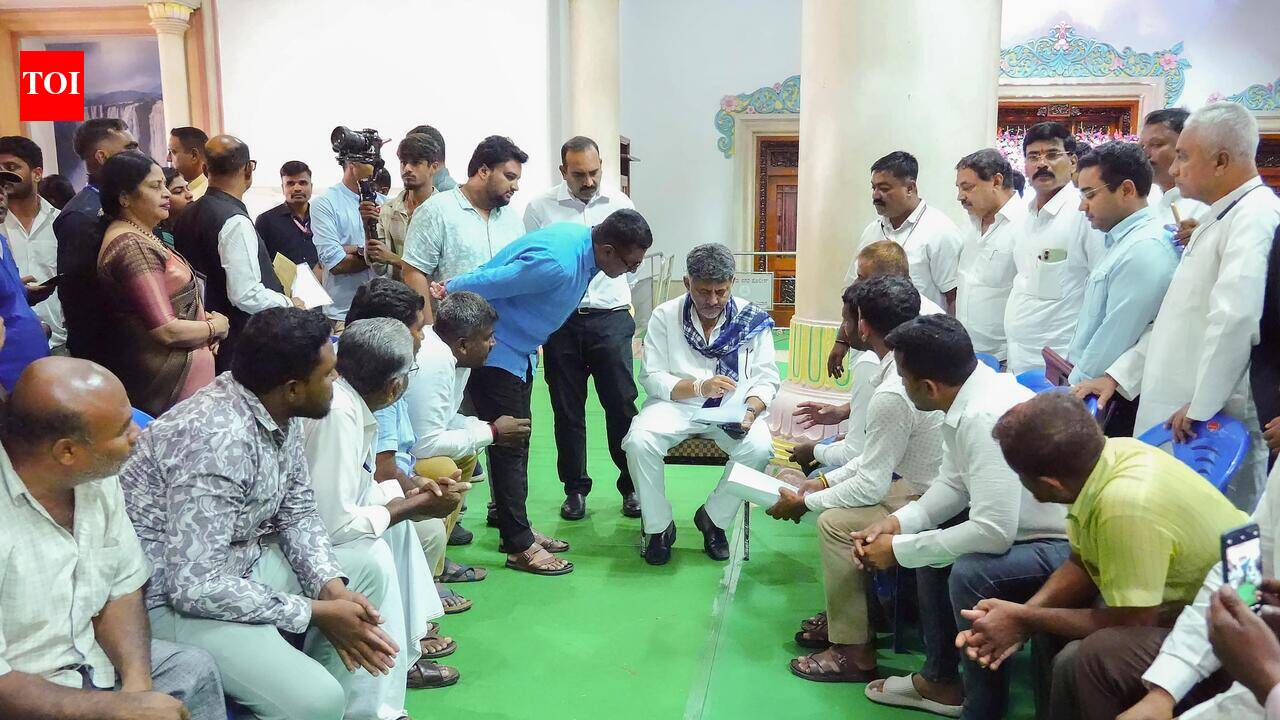
JD(S) patriarch HD Deve Gowda, 93, participated on Day 2 of the padayatra to protest the Bidadi Township project Monday.

By: Santosh Kumar
Santosh Kumar.B Aug 11, 2026, 00:36 IST
By: Santosh Kumar
Santosh Kumar.B Aug 11, 2026, 22:09 IST
The Esplanade Concert Hall came alive with the sounds, colours and humour of Kerala on Aug 8 as the Singapore Malayalee Association's (SMA) Onam Nite '26 drew a sold-out crowd for an evening of music, dance, and comedy.
For 15-year-old Manasvi Myer, performing at the National Day Parade on Aug 9 was more than another opportunity to sing before a large audience.
Forty-three years after they stunned the mighty West Indies at Lord's and changed Indian cricket forever, the heroes of India's 1983 World Cup triumph discovered in Singapore that sporting memories do not have an expiry date.
By: Santosh Kumar
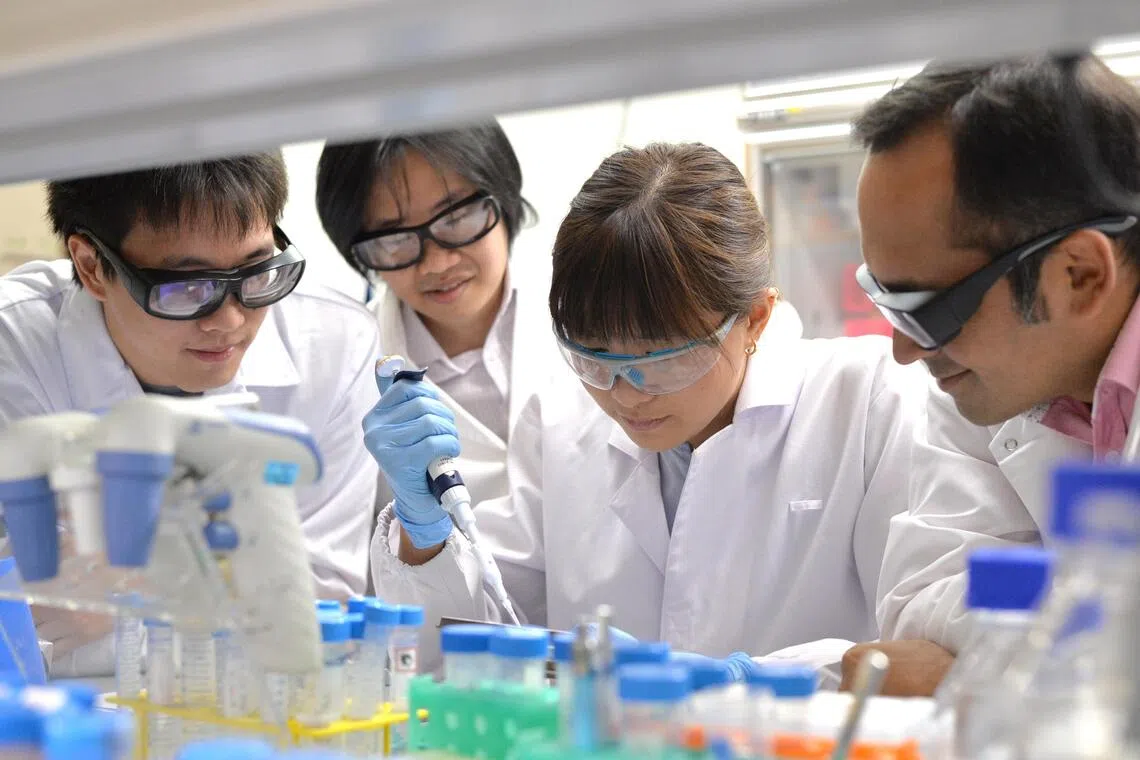
For more than two decades, Singapore surgeon and National University of Singapore (NUS) Associate Professor Glenn Bonney has battled one of medicine's deadliest diseases.