


By: Nattaya , Warren H. Lee, Tareeque , Dong-Kyu Lee, Jemin Suh, Emasha Seneviratne, Laurence Weinberg, Junyan Zhao, Warren Lee, Rebecca Wang, Parthiv Gaykar, Raykateeraroj, Luca Petterlin
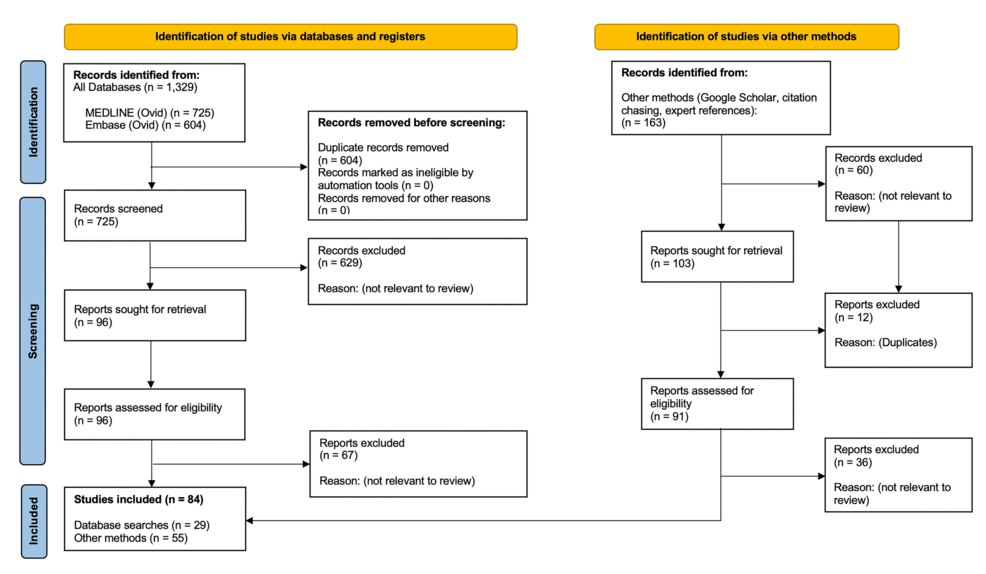
Postoperative complications are common after major surgery and are consistently associated with poorer long-term survival, yet the biological mechanisms underpinning this relationship remain incompletely understood. This narrative review aimed to synthesise clinical and mechanistic evidence linking postoperative complications to long-term mortality and major adverse outcomes.We conducted a narrative review with structured search elements using Ovid MEDLINE and Embase (Excerpta Medica dataBASE) from database inception to November 30, 2025, supplemented by Google Scholar searching, citation tracking, and expert-identified references; Ovid MEDLINE was additionally updated through March 31, 2026. Eligible evidence included randomised and non-randomised trials, observational cohort studies, systematic reviews, and mechanistic studies, including translational, in vitro, and in vivo investigations, that reported either long-term outcomes after postoperative complications or biological pathways linking postoperative complications with later adverse outcomes. Data were synthesised descriptively and organised into predefined mechanistic domains; formal meta-analysis and formal risk-of-bias assessment were not undertaken because of substantial clinical and methodological heterogeneity and the mechanistic purpose of the review.Of 1,329 database records and 163 additional records identified through supplementary methods, 84 studies met the inclusion criteria and were incorporated into the review. Across both oncological and non-oncological surgery, postoperative complications were consistently associated with impaired long-term survival. Four recurrent mechanistic domains emerged: persistent systemic inflammation, exaggerated neuroendocrine stress responses, perioperative immune dysregulation, and disruption to adjuvant treatment pathways in selected cancer populations. Collectively, the available evidence suggests that postoperative complications may act not only as markers of illness severity but also as biological amplifiers with the potential to influence long-term prognosis, although the degree of causality remains uncertain and much of the mechanistic evidence is translational or preclinical.Postoperative complications appear to worsen long-term survival through interacting inflammatory, neuroendocrine, and immune pathways, with additional contributions from disrupted oncological treatment in some cancers. Reframing complications as biologically consequential perioperative events highlights the perioperative period as a potentially important therapeutic window and supports future biomarker-rich cohort studies and interventional trials targeting these pathways.