




By: Badham, Kovács, Mohsen, Donizzetti, Krägeloh, Blake, Park, Vincenza, Christian U., Hellis, Capone, Anna Rosa, Szabolcs Gergő, Joshanloo, Webber, Harsányi, Emily, Miriam Sang-Ah, Monika, Stephen P.
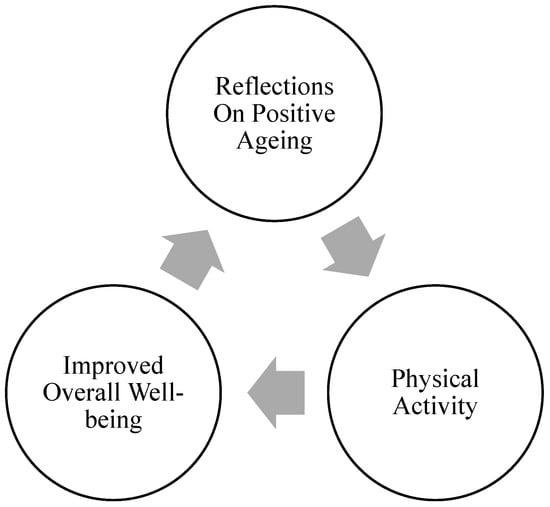
Ageing literature, while growing in huge volume in the past decades, is still largely dominated by frameworks and topics of frailty and decline. A shift in attention to conceptualising ageing more holistically to include psychosocial and emotional aspects as well as subjective experience is much needed, in order to better account for the ageing (well) experience and processes in today’s times. There is a large portion of older adults with relatively good health. As life expectancy increases around the world, many older adults are living longer and healthier overall, often wishing for their lives to continue being active, meaningful, and fulfilling. With this changing demographic in mind, we argue for a framework of positive ageing. We define positive ageing as a subjective, intentional experience, which includes the multi-dimensional construction of ageing well. The notion of positive ageing has the potential to widen the scope of gerontological research and to help guide policy and intervention development. Furthermore, this conceptual framework and a cyclic model of positive ageing presented in the current work can effectively complement current models and practices of care in geriatrics by taking a more person-centred and holistic approach to understanding and managing health and well-being.