By: Charlotte Thomas
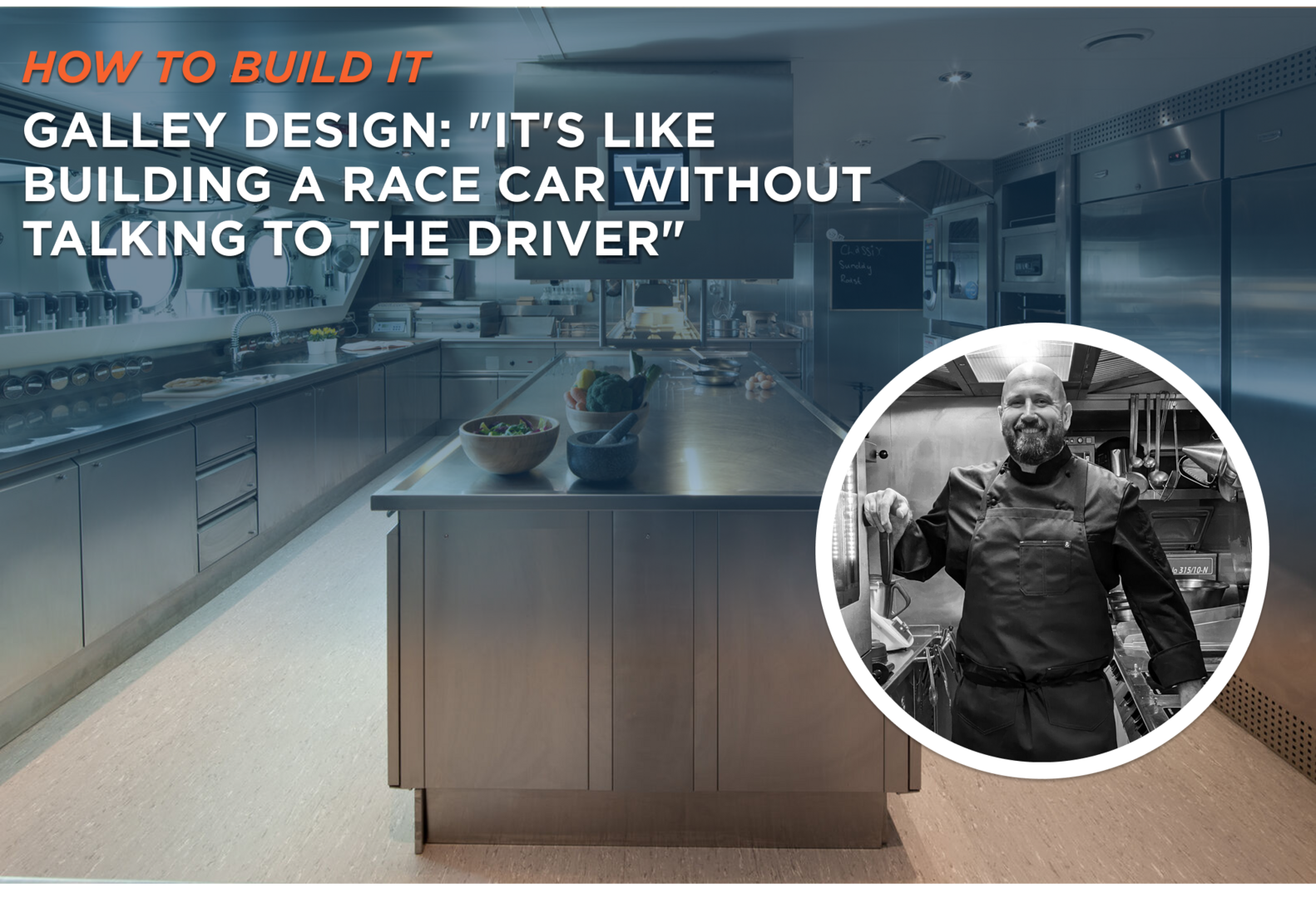
How thoughtful superyacht galley design can improve safety, service, storage, ventilation and the wider onboard dining experience.

United Kingdom (National)

Not enough data
Charlotte Thomas' coverage spans topics such as food, technology, retail, and healthcare. Her articles often include announcements and expert commentary on these subjects. She may be interested in pitches related to new product launches in the food or healthcare industry, technological advancements impacting consumer behavior or experiences, and issues affecting retail.
Given her focus on finance and politics themes alongside other topics like celebrities and lifestyle content, she might also consider pitches that tie into how those areas intersect with her usual coverage. For example: "The Financial Impact of Celebrity-Endorsed Food Brands" or "How Retail Technology Is Shaping Political Consumer Behavior."
Keep in mind that Charlotte's geographic focus is not specified; therefore, relevant stories from any location could potentially interest her if they align with her thematic interests such as finance-related developments in various regions or global trends impacting the retail sector.
This information evolves through artificial intelligence and human feedback. Improve this profile .


By: Charlotte Thomas
How thoughtful superyacht galley design can improve safety, service, storage, ventilation and the wider onboard dining experience.

By: Charlotte Thomas
From rig testing to predictive maintenance, digital twins are reshaping how superyachts are designed, built and operated.

By: Charlotte Thomas, Tom Van Oossanen Sy
After seven years of conceptual development, in-depth studies, intense engineering and construction, Zero has launched in Harlingen, The Netherlands.

By: Charlotte Thomas
#AD Whether your teen has sensitive skin, mild breakouts or stubborn acne, here’s how to choose an effective treatment strength for their skin.
Advertisement Promotion with quinn From how much a nanny really costs to understanding payroll, holiday pay and whether you can use the
As regulations continue to tighten around underwater coatings and antifouling, superyachts stand at a crossroads.

By: Charlotte Thomas
One year after its big reveal at Ferrari HQ in Maranello, and four years after the project began, the 30-metre Ferrari Hypersail serves as a

By: Charlotte Thomas
The nature of superyachts – bespoke, complex, and crafted rather than built – has long been used to suggest many advances in commercial shipbuilding simply don't apply.
Advertisement Promotion with Kinetic Sand From sparking imagination to helping develop fine motor skills, Kinetic Sand is a fun, tactile activity that's

By: Charlotte Thomas
Advertisement Promotion with Aldi Aldi's Baby and Toddler Event is back on 27 August – and it's packed full of baby essentials.