







By: Jim Frem, Gillian Jones, Cara Hanley, Thomas Oswald, Michael Lewis, Jim Abi Frem, Rachael James
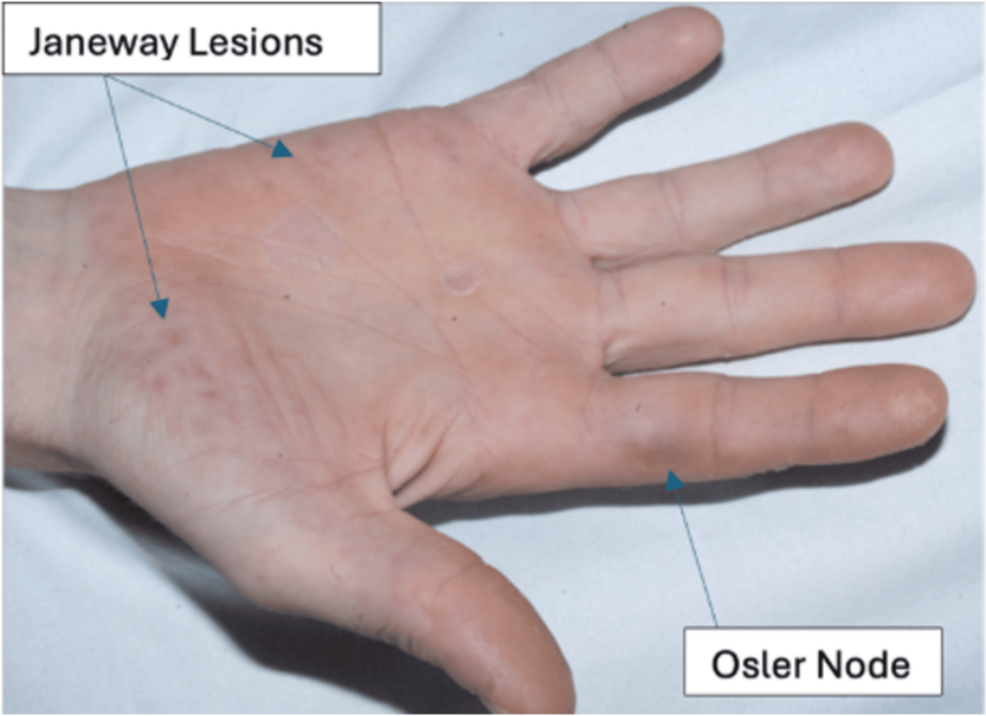
Non-toxigenic Corynebacterium diphtheriae strains are emerging as a cause of invasive disease, including highly virulent endocarditis, and have been associated with aggressive valvular destruction and embolic complications in reported cases without classical risk factors.A 26-year-old man with a history of former intravenous drug use and recent inhalational drug use presented with symptoms of systemic infection. He did not have any known pre-existing cardiac disease. Blood cultures grew C. diphtheriae. A transthoracic echocardiogram revealed large (>1 cm) aortic and mitral vegetations associated with severe valvular regurgitation, requiring urgent surgery within three days of admission. The patient underwent prosthetic aortic and mitral valve replacement, aortic root abscess de-roofing, and tricuspid valve debridement. The patient completed four weeks of antibiotics as advised by the United Kingdom Health Security Agency (UKHSA), made a good recovery, and was ultimately discharged from the hospital.Increasing global reports, particularly among individuals experiencing homelessness or using inhaled drugs, highlight the progressive and destructive nature of C. diphtheriae endocarditis, particularly in those without classical risk factors according to current diagnostic criteria. With growing clusters of infections in marginalized populations, clinicians must maintain a high index of suspicion to facilitate timely intervention and mitigate public health risks. This case reinforces the role of early recognition, coordinated multidisciplinary team (MDT) management, and collaboration with public health teams to improve outcomes.