By: Erik, Trinkaus, López, Klara, Mariano V., Michael J., Ortega, Walker, Parmová, Jon
Considerations of Neandertal geographical variation have been hampered by the dearth of remains from Mediterranean Europe and the absence there of ...


Not enough data
Michael J. predominantly covers scientific research with a strong emphasis on citing data, particularly in the areas of genetics, neuroscience, and health technology. He would likely be interested in pitches that offer access to or insights from experts involved in groundbreaking scientific studies related to genetics, neuroscience, medical studies, and health technology.
Given Michael's focus on citing data extensively within his articles, he may be interested in receiving pitches from researchers or professionals who can provide unique datasets or analyses relevant to the topics covered. Additionally, individuals with expertise in innovative technologies shaping the healthcare landscape could also capture his attention.
While no specific geographic focus is mentioned for Michael J., it appears that he takes an international view of scientific research across various disciplines within healthcare and technology.
This information evolves through artificial intelligence and human feedback. Improve this profile .



By: Erik, Trinkaus, López, Klara, Mariano V., Michael J., Ortega, Walker, Parmová, Jon
Considerations of Neandertal geographical variation have been hampered by the dearth of remains from Mediterranean Europe and the absence there of ...
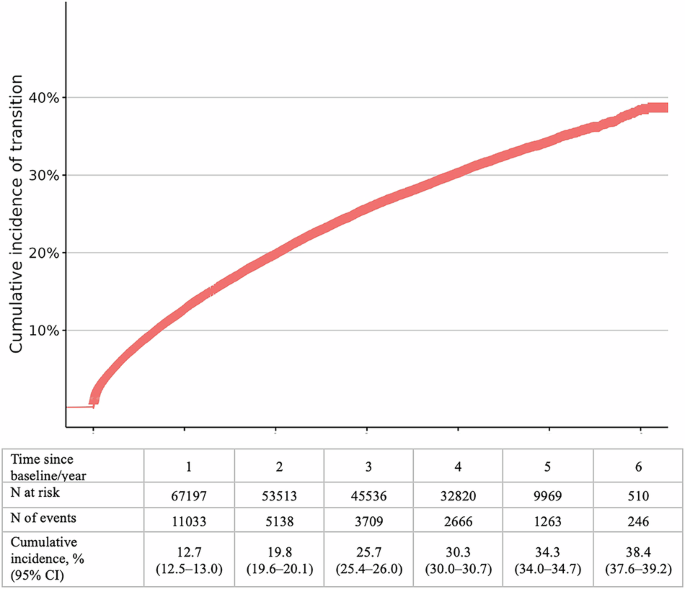
By: Semenawit, Silver, Michael J., Nader, Zahid, Dardari, Razavi, Yao, Zeina, Sohail, Yara, Zhiqi, John, Jelwan, Erhabor, Alexander C.
The Lancet Diabetes & Endocrinology Commission redefined obesity by considering both anthropometric and direct measures of adiposity, in addition to body mass index (BMI), and distinguishing preclinical from clinical obesity based on physical function and related conditions. However, the frequency and determinants of progression from preclinical to clinical obesity have never been studied. We included participants with no obesity, preclinical obesity, or clinical obesity from the All of Us dataset. Obesity was defined as meeting at least two of the following four criteria: (1) BMI ≥ 30 kg/m², (2) waist circumference ≥88 cm for females or ≥102 cm for males, (3) waist-to-hip ratio (WHR) > 0.85 for females or >0.90 for males, and (4) waist-to-height ratio (WHtR) > 0.50, or BMI ≥ 40 kg/m2. Baseline preclinical or clinical obesity was determined based on self-reported physical function and obesity-related conditions. Transition from preclinical to clinical obesity was defined based on the new onset of related conditions over follow-up. We estimated cumulative transition incidences from preclinical to clinical obesity and evaluated risk factors for transition using time to transition and Cox models after multivariable adjustment. Among 319,815 participants, 28.9% had preclinical obesity and 40.0% had clinical obesity at baseline. Of the 92,396 individuals with preclinical obesity, 24,057 (26.0%) transitioned to clinical obesity over a median follow-up of 2.9 years. The cumulative incidence at 1, 3, and 5 years was 12.7%, 25.7%, and 34.3%, respectively. In the adjusted Cox model, older age, elevated hemoglobin A1C, higher BMI, higher WHR, higher WHtR, insurance coverage, and poorer self-reported overall health were strongly and independently associated with a greater likelihood of transition. Progression from preclinical to clinical obesity is relatively common. Given the different treatment considerations proposed for preclinical and clinical obesity under the Lancet framework, improved identification of individuals at higher risk of progression may be important for future implementation of this classification system.
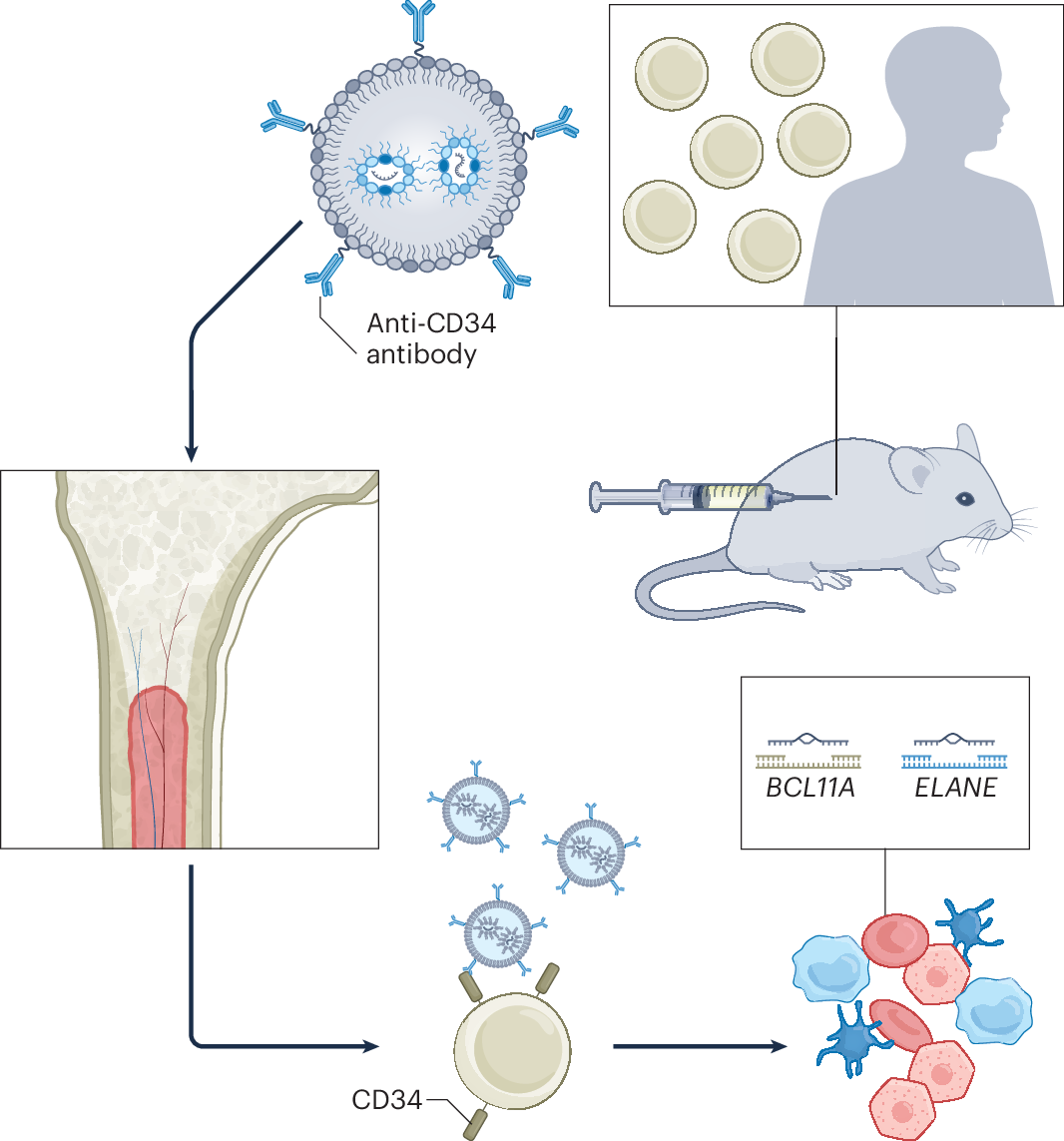
By: Zhangyi Luo, Audrey T. Zhu, Michael J. Mitchell
Antibody-modified targeted lipid nanoparticles enable precise, durable genetic modification of human haematopoietic stem cells directly in the bone marrow.

By: Karl, Liefer, Zoe V., François, Brown, E. Virginia, White, Matthew H., Michael J., Ribalet, Angelicque E., Inomura, Finkel, Christopher M., Dugenne, David M., Mathilde, Irwin, Fyfe, Andrew J., Follows, Keisuke, Justin D., Armbrust
The proportions of carbon (C), nitrogen (N), and phosphorus (P) in surface ocean particulate matter deviate greatly from the canonical Redfield Rat...

By: Michael J., David L., Nirody, Hu, Scott, Jasmine, Terri, Shelley
In this experimental and theoretical study, we investigate the slithering of snakes on flat surfaces. Previous studies of slithering have rested on...

By: Kulkarni, Tikhonova, Michael J., Heather, Mcclafferty, Roddy J., Shruti, Perrino, Srikanth, Keith D., Hollywood, Thornbury, Sergeant, Irina G., Brian A., Dudem, Gerard P., Shipston, Mark A., Large
LINGO1 is a transmembrane protein that is up-regulated in the cerebellum of patients with Parkinson’s disease (PD) and Essential Tremor (ET). Patie...
By: David J.A., Humphrey-Murto, Eralda, Michael J., Gjika, Callen, Venkateswaran, Farhan, Bhanji, Del Bel, Susan, Sunita
Background and ObjectivesIn Canadian pediatric neurology, there has historically been no standardized national progress examination aligned with the Royal College of Physicians and Surgeons of Canada (RCPSC) certification examination. The primary ...
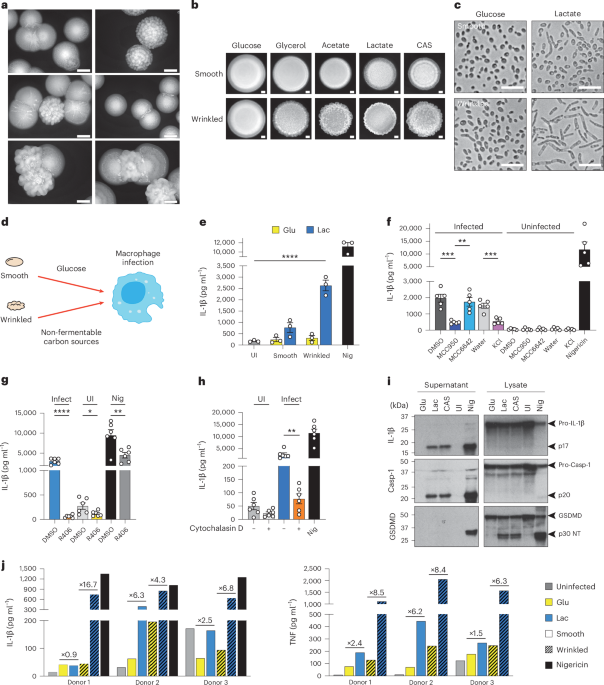
By: Michael J., Tricia L., Olivier, Irma, Traude H., Lo, Claudia, Garrett
Candida auris colonizes metabolically diverse host niches and modulates immunity to its advantage. This study shows that carbon source availability regulates C. auris adhesion and cell morphology, thereby controlling immune activation.
Retinal fundus images offer a non-invasive window into systemic aging. Here, we fine-tune a foundation model (RETFound) to predict chronological
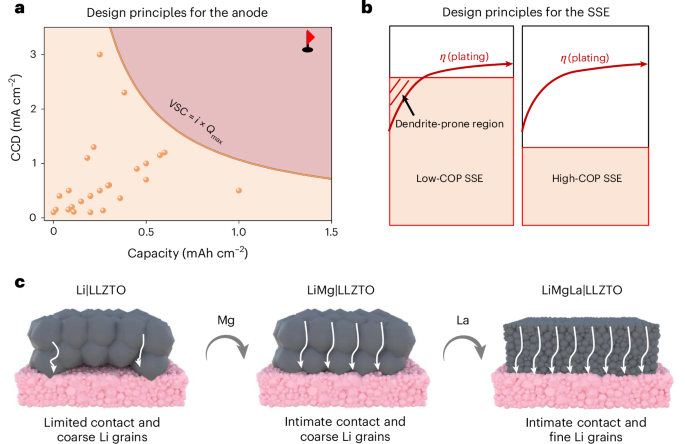
By: Deng, Xiao, Hou, Zhang, Miaofang, Xinzi, Ji, Reeves, Kimberly S., Chi, Zachman, He, Yijie, Jijian, Xu, Wang, Chen, Jiaxun, Liu, Michael J., Tao, Singyuk
The kinetics and thermodynamics of void formation are investigated in all-solid-state lithium metal batteries and found to be controlled by interfacial lithium concentration and diffusivity. Diffusivity can be increased using a grain-refining approach, by introducing a Mg–1 wt% La inoculant in the melt, enabling a critical current density of 2.2 mA cm−2 at 1.1 mAh cm−2.