



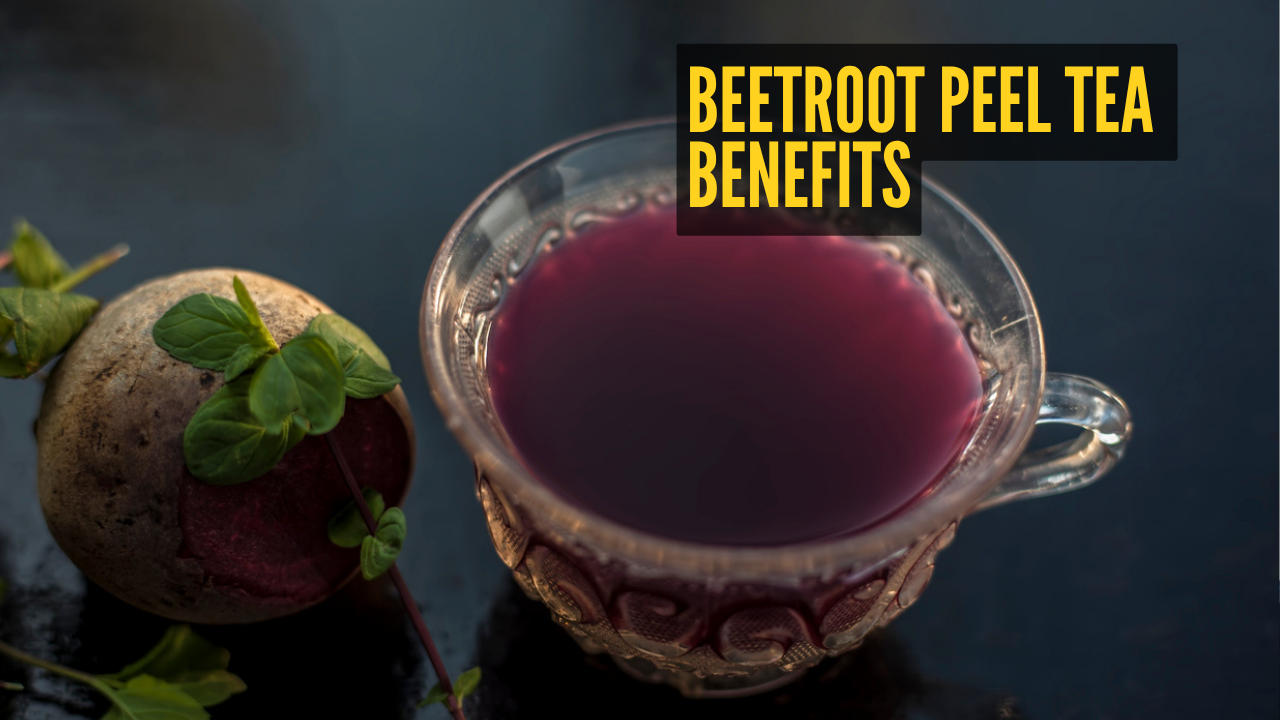
Beetroot is a superfood, which is also a proven source of iron. It is said to have non-heme iron content, meaning it is not absorbed as efficiently as the iron from animal sources. Hence, it is important to combine it with other foods that can help boost iron intake. After all, iron is an essential mineral that plays a crucial role in maintaining overall health. It is a key component of hemoglobin, the protein in red blood cells responsible for carrying oxygen throughout the body, and myoglobin, which supplies oxygen to muscles. But did you know that beetroot peel is equally nutritious and good for the human body? According to a study titled Red Beetroot and Its By-Products, betalains, including betacyanins (betanidin, isobetanin, and betanin) and betaxanthins (vulgaxanthin I, dopamine–betaxanthin), are key compounds in beetroot, with higher levels in the peel than the flesh. These pigments, known for their anti-inflammatory and antioxidant properties, provide beetroot’s vibrant color and serve as natural food colorants. The peels of beetroot exhibit a wide range of biological actions, including antibacterial, antioxidant, anti-inflammatory, anti-anxiety, antihypertensive, anticancer, and antidiabetic characteristics. The beetroot peel has the following chemical composition: moisture (86.3%), ash (1.48%), protein (1.02%), crude fiber (2.6%), total sugars (8.4%), and total lipids (0.2%). This piece of information talks about the easiest way of consuming the peel, which is in the form of tea, and also explores its three key benefits.
India (National)