By: Priyanka Jaiswal
Edited by: Priyanka Jaiswal / TIMESOFINDIA.COM / Sep 06, 2026, 15:28 IST

Priyanka Jaiswal is a Senior Subeditor at Digital Media. She specializes in health and wellness, aviation and aerospace, as well as medicine and healthcare, often exploring the intersections of these fields. Priyanka's work has been featured in notable publications including The Logical Indian, Cureus Journal of Medical Science, Paperity, Journal Of Medical Internet Research, and The Economic Times.
Preston is the artificial intelligence that powers the Intelligent Relations PR platform. Meet Preston
India (National)

Not enough data
Priyanka Jaiswal's coverage indicates a strong focus on local and national issues in India, specifically Uttarakhand and Dehradun. Her articles cover a diverse range of topics such as politics, environment, gender equality, kindness, technology, and disability rights.
Given her interest in opinion editorials and expert commentary alongside government announcements, she may be receptive to experts or officials from local organizations with insights into regional political developments or initiatives related to the themes covered. For example, pitches could include interviews with local activists working on gender equality or environmental issues in the region.
Considering Priyanka's emphasis on government announcements within her coverage attributes suggests that she might also be interested in stories that shed light on new policies or initiatives addressing social issues at a regional level within India.
This information evolves through artificial intelligence and human feedback. Improve this profile .



By: Priyanka Jaiswal
Edited by: Priyanka Jaiswal / TIMESOFINDIA.COM / Sep 06, 2026, 15:28 IST
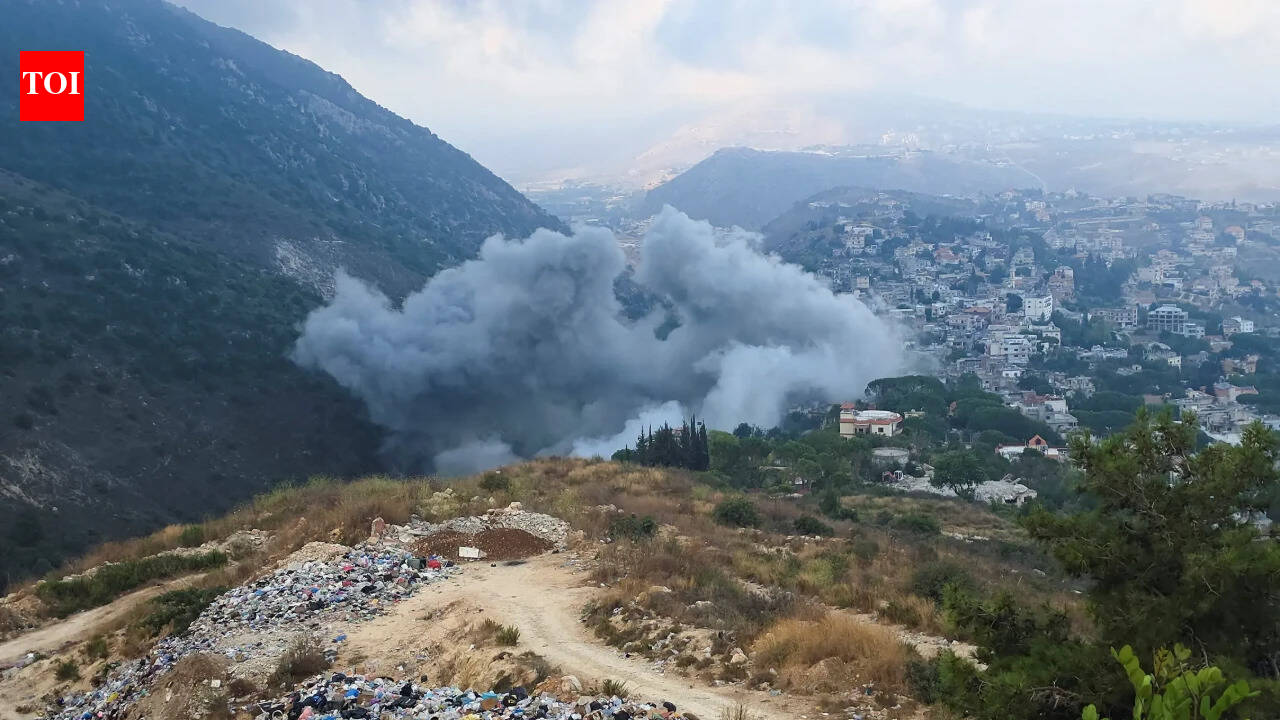
Israeli strikes on southern Lebanon (Reuters image) Israeli air strikes killed at least four people and wounded 20 others in southern Lebanon on
By: Priyanka Jaiswal
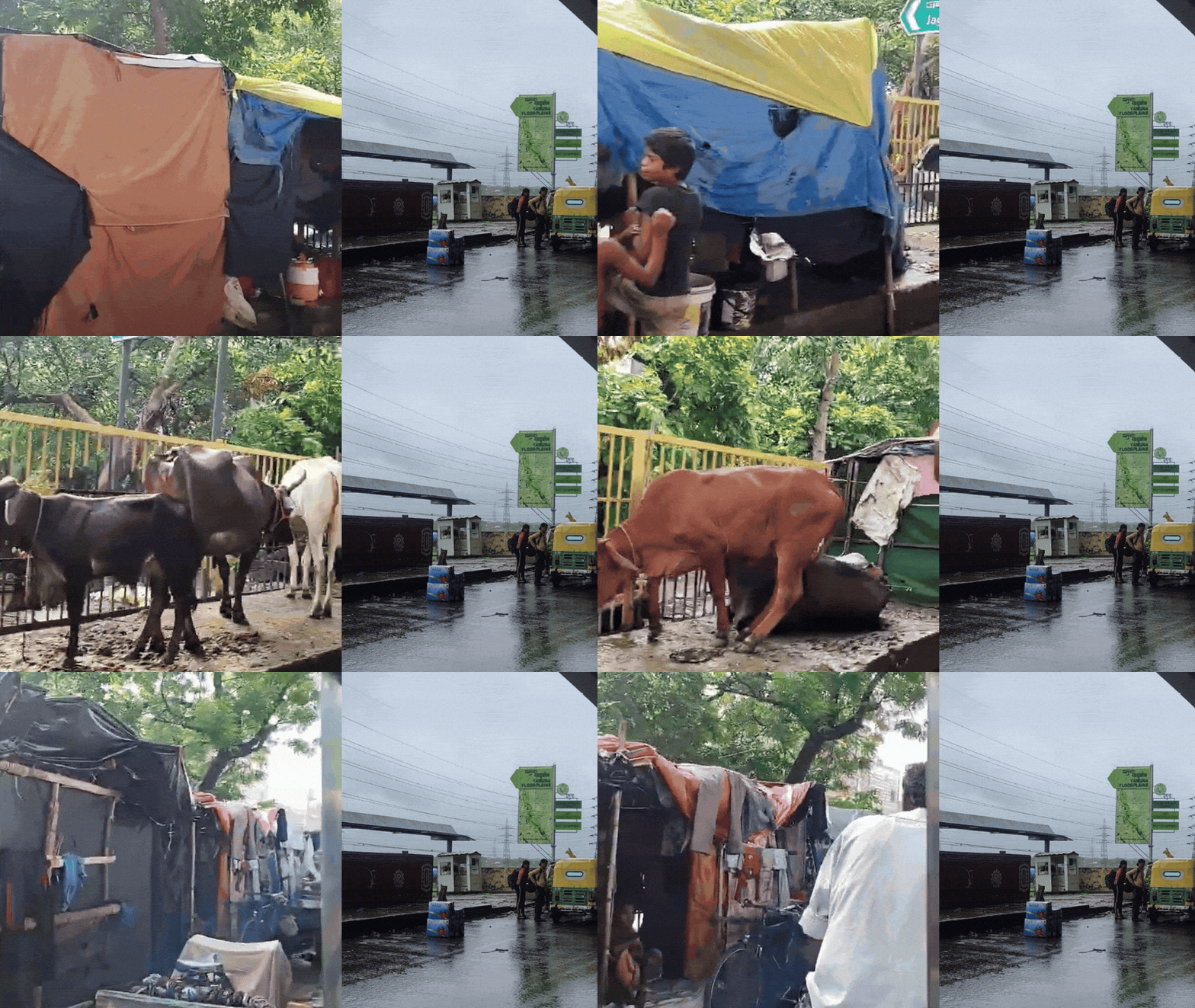
2025: People, animals living near floodplains relocated on roads ( on left); Yamuna Flood plain board (on right) (Pic credit: Priyanka Jaiswal) A

By: Priyanka Jaiswal
A building has collapsed near Satya Niketan in Delhi, several DU students are trapped.Local residents, students and Congress volunteers, are on the ground helping with relief and rescue efforts.The government must immediately expedite rescue operations and deploy every… pic.twitter/Cr2x7x1kya

By: Priyanka Jaiswal
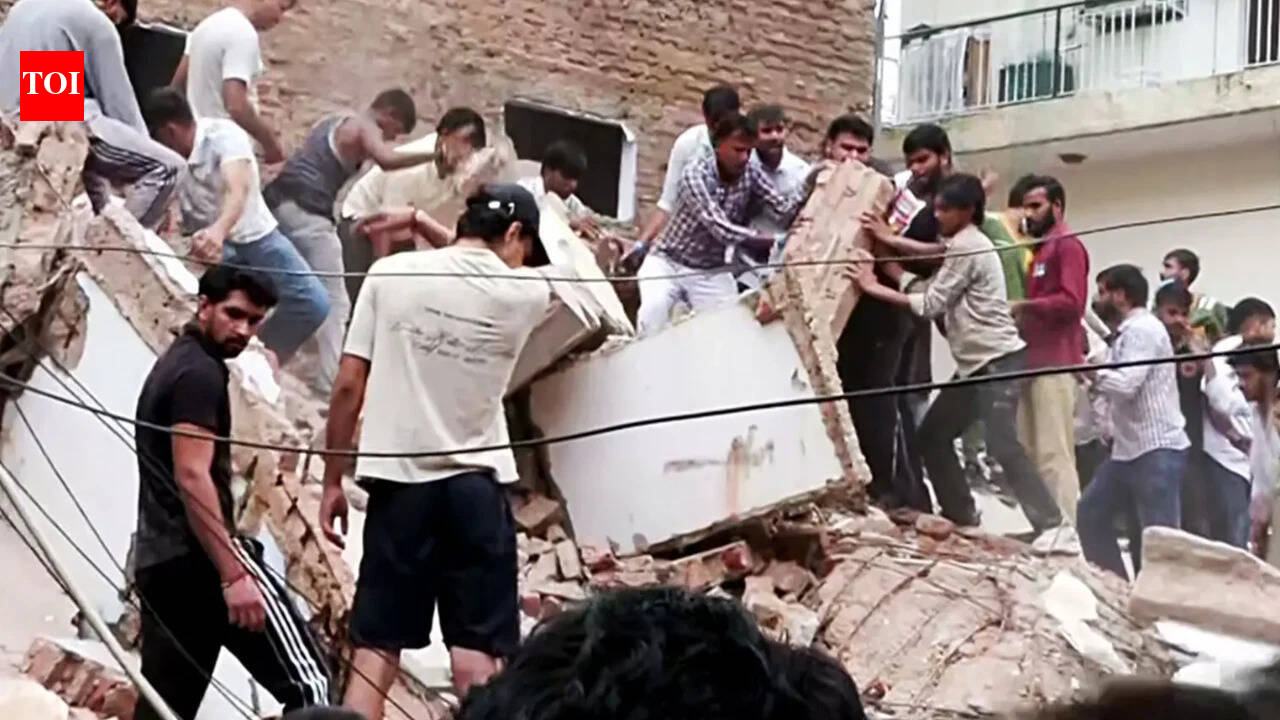
NEW DELHI: Five people were killed and five were rescued after a five-storey boys' paying guest (PG) accommodation collapsed in southwest Delhi's Satya Niketan area on Sunday, officials said.
By: Priyanka Jaiswal
Delhi's Satya Niketan building collapse killed seven students, sparking opposition criticism over unsafe accommodations and demands for safety audits.

By: Priyanka Jaiswal
NEW DELHI: Maharashtra deputy chief minister Eknath Shinde on Monday said the strategy of the BJP and Shiv Sena for the upcoming Goa Assembly

By: Priyanka Jaiswal
#WATCH

By: Priyanka Jaiswal
Press Note : Schedule for bye-elections to 05 (Five) Assembly Constituencies of Tamil Nadu, Puducherry and West Bengal and 01(One) Parliamentary Constituency of Assam-reg. (1/2)#ECI@ECISVEEP pic.twitter/dUpC5A0obD
By: Priyanka Jaiswal
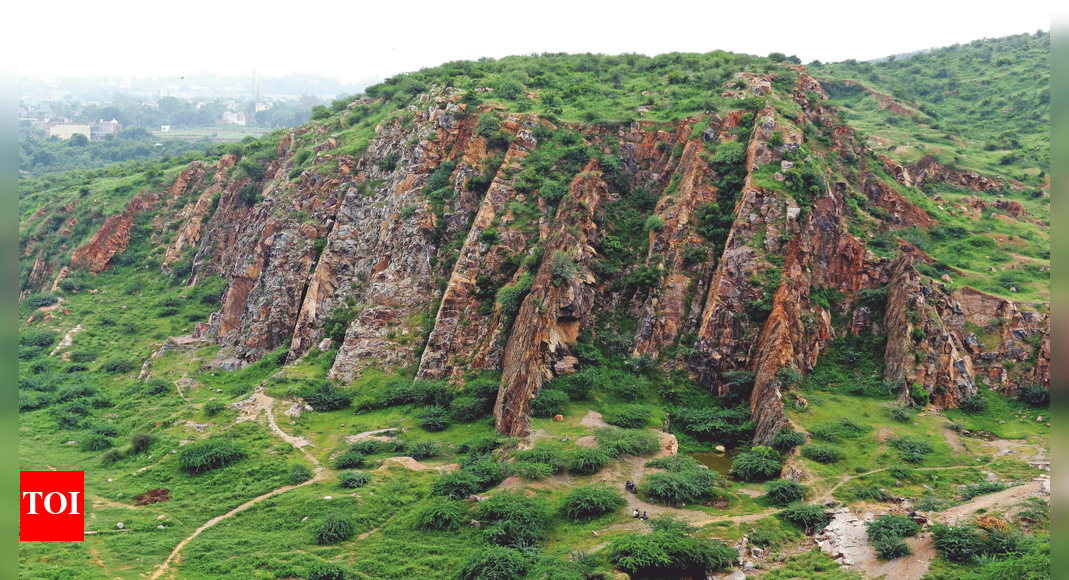
NEW DELHI: The Supreme Court on Monday refused to give the expert panel examining the definition and protection of the Aravalli Hills another six