By: Wendy Leigh
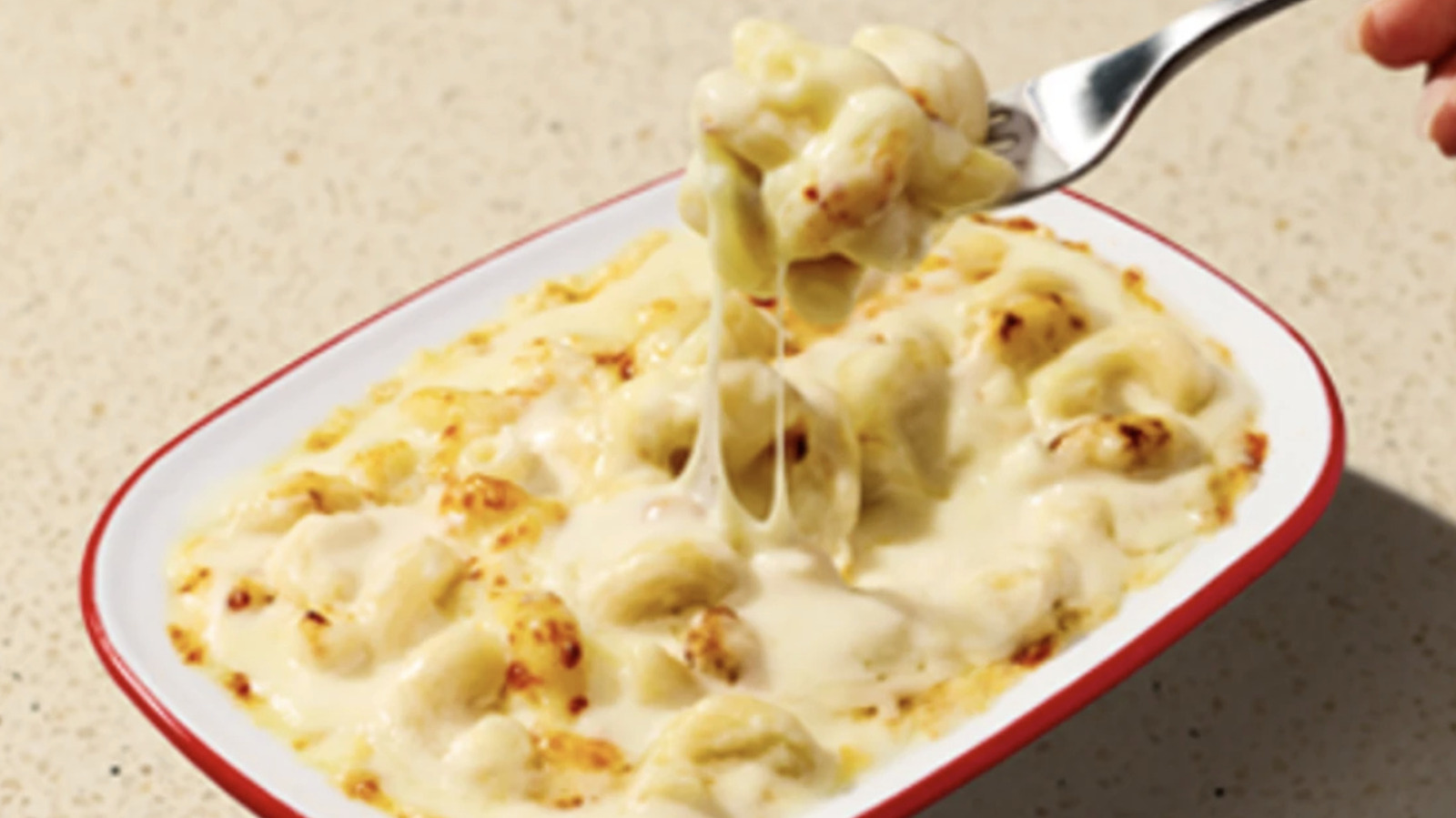
One dish in particular comes from a chain known for pizza -- yet there's no crust, pepperoni, or tomato sauce anywhere in sight. Pizza Hut's Triple Cheese Mac.

Wendy Leigh is a journalist at various prominent publications. With over two decades of experience, she specializes in cultural connections to food, travel, and the sense of place, covering topics such as regional food cultures, culinary trends, and the wine industry. Wendy's work has been featured in Yahoo Finance, Yahoo Sports Canada, Food Republic, Mashed, and many other notable outlets.
Preston is the artificial intelligence that powers the Intelligent Relations PR platform. Meet Preston
United States (National)

Not enough data
Wendy Leigh’s articles predominantly cover topics related to food, cooking, recipes, and ingredients. Based on this coverage, she may be most responsive to pitches that provide unique insights into culinary traditions or lesser-known ingredients. Offering expertise in creating new recipes or explaining the origins of specific dishes could also capture her interest.
Given her focus on "How To" guides and promotional deals, Wendy might appreciate content that includes practical tips for using specific ingredients or creating certain dishes. Additionally, offering exclusive promotions related to food products may resonate well with her coverage preferences.
As Wendy's geographic focus is not specified but given the general nature of her article titles and themes covered which are not region-specific, it seems she takes a broad international approach in covering these topics.
This information evolves through artificial intelligence and human feedback. Improve this profile .


By: Wendy Leigh
One dish in particular comes from a chain known for pizza -- yet there's no crust, pepperoni, or tomato sauce anywhere in sight. Pizza Hut's Triple Cheese Mac.
Undercooked rice is a culinary conundrum experienced by countless chefs across the globe.
By: Wendy Leigh
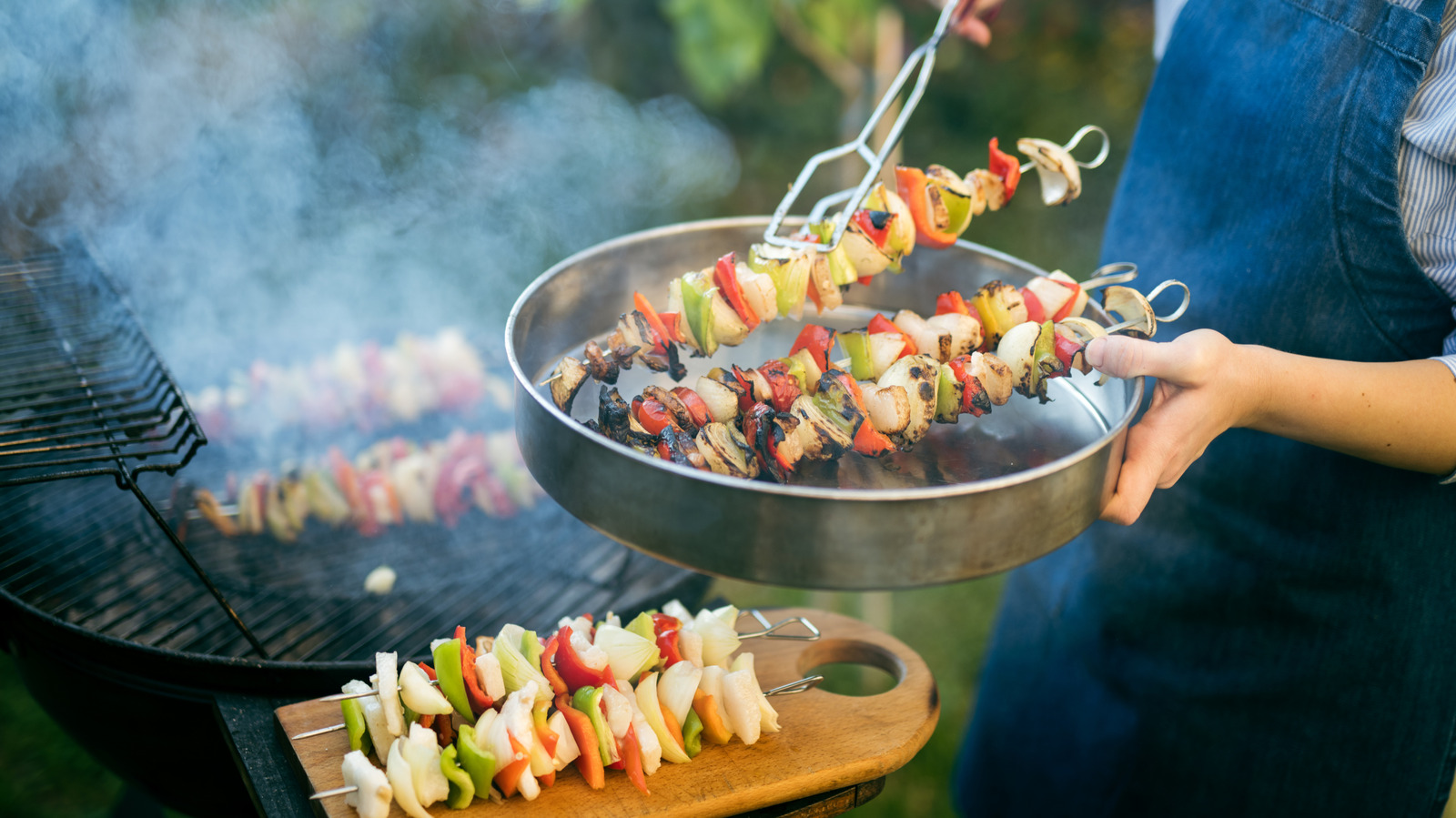
Wood grills and smokers might sound like they're basically the same, but the two outdoor cooking appliances function differently and make food taste unique.
By: Wendy Leigh
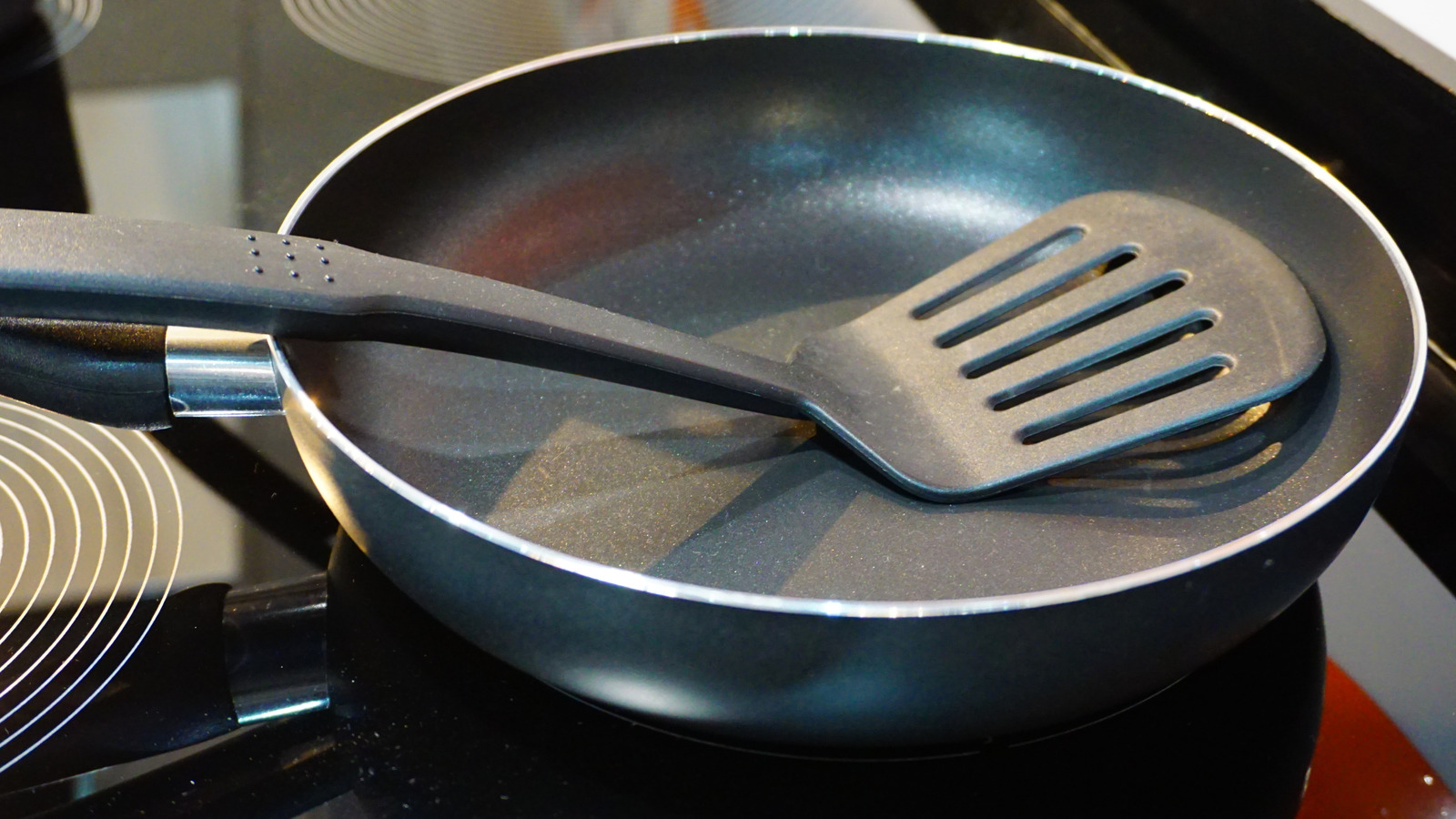
A doctor advises avoiding vague labels and seeking out stainless steel, cast iron, and cookware labeled as being free of PFAS, PTFE, PFOA, or fluoropolymers.
Making coffee has never been easier, but maintaining your coffee maker does require some effort. An expert explains what happens if you don't descale and how to do so.
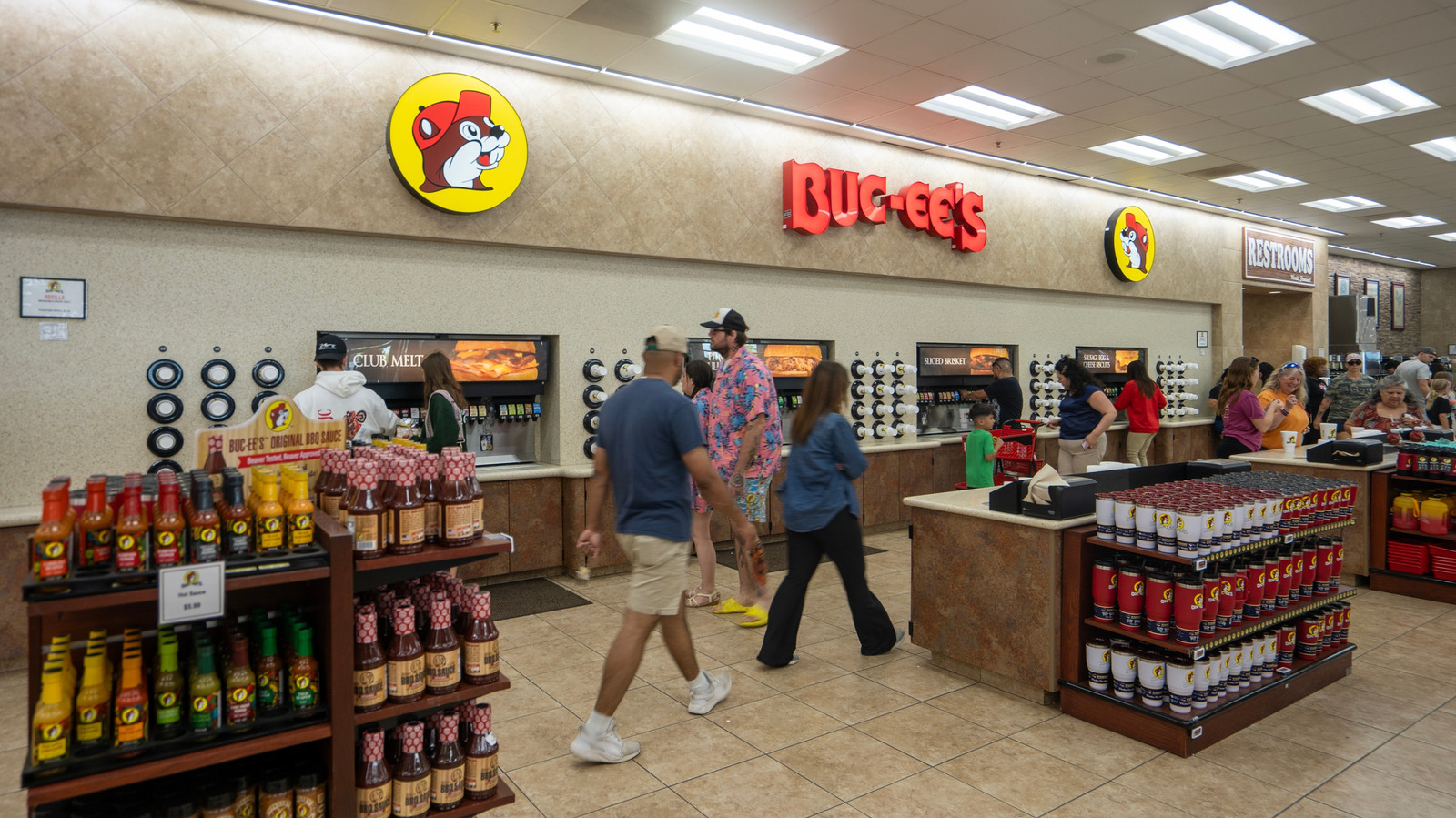
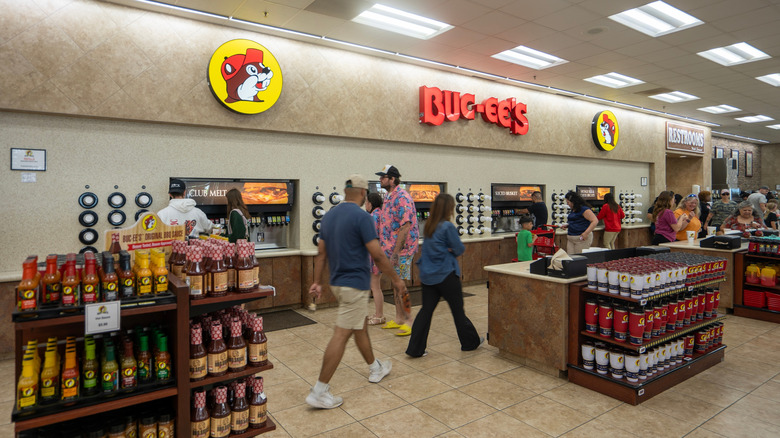
If you've ever wondered who actually owns Buc-ee's, here is what you need to know about the popular Texas-based roadside chain.
By: Wendy Leigh
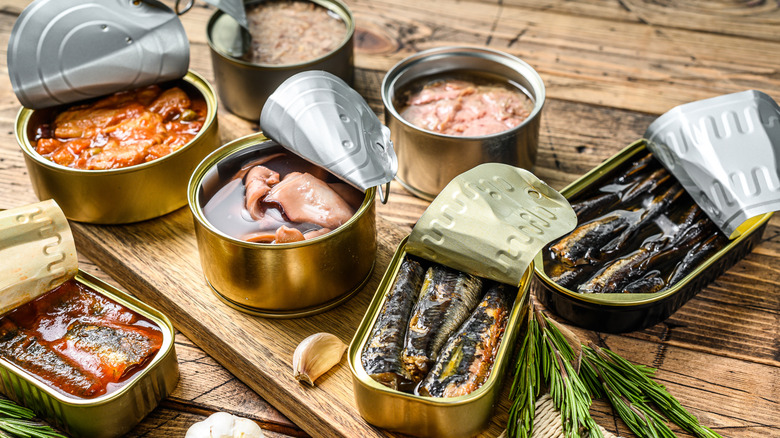
While tinned fish products are longtime mainstays on supermarket shelves, today's versions are about way more than lunchbox sandwiches or camping standbys. With a parade of premium tins now competing for attention, Consumer Reports provided shoppers with a 2025 roundup of the top tinned seafood, including 12 options within the categories of smoked salmon, sardines in olive oil, anchovies, and mussels in escabeche. One brand of anchovies in particular stood out for its strong connection to Spain, where the miniature fish occupy a very different culinary space from the relatively inexpensive versions tossed onto pizza or dissolved into a sauce.
By: Wendy Leigh
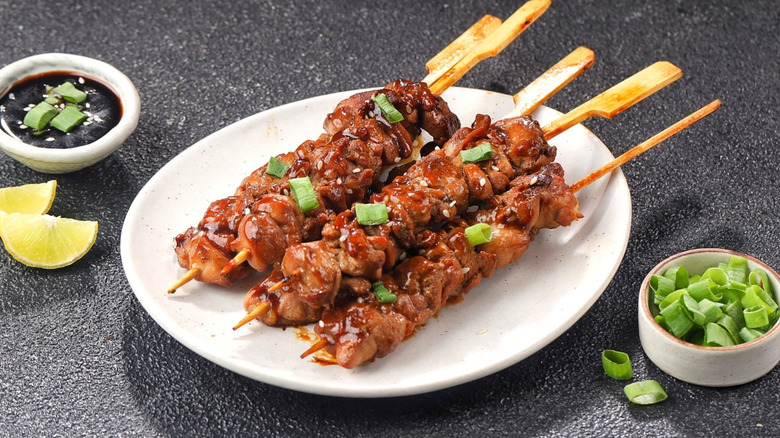
Costco has no shortage of sassy sauces to punch up what could otherwise be very ordinary meals. It's fun to try them all over time, but let's be honest: some just aren't what they're cracked up to be. Fortunately, devoted Costco shoppers have revealed one that stands solidly above the store's saucy crowd: Bachan's Japanese Barbecue Sauce.
When a roadside business becomes as enormously popular as Buc-ee's, it's easy to imagine a savvy corporation or cluster of high-rolling investors lurking behind the charming persona.
California table grapes are among the best globally, and the good news is that the best eating season stretches for several months as different varieties ripen.