

A former crypto-asset CEO is contesting US fraud charges in a London court, raising human rights arguments that could set precedent for the industry ·Vivian NguyenSaitama chief executive Man...
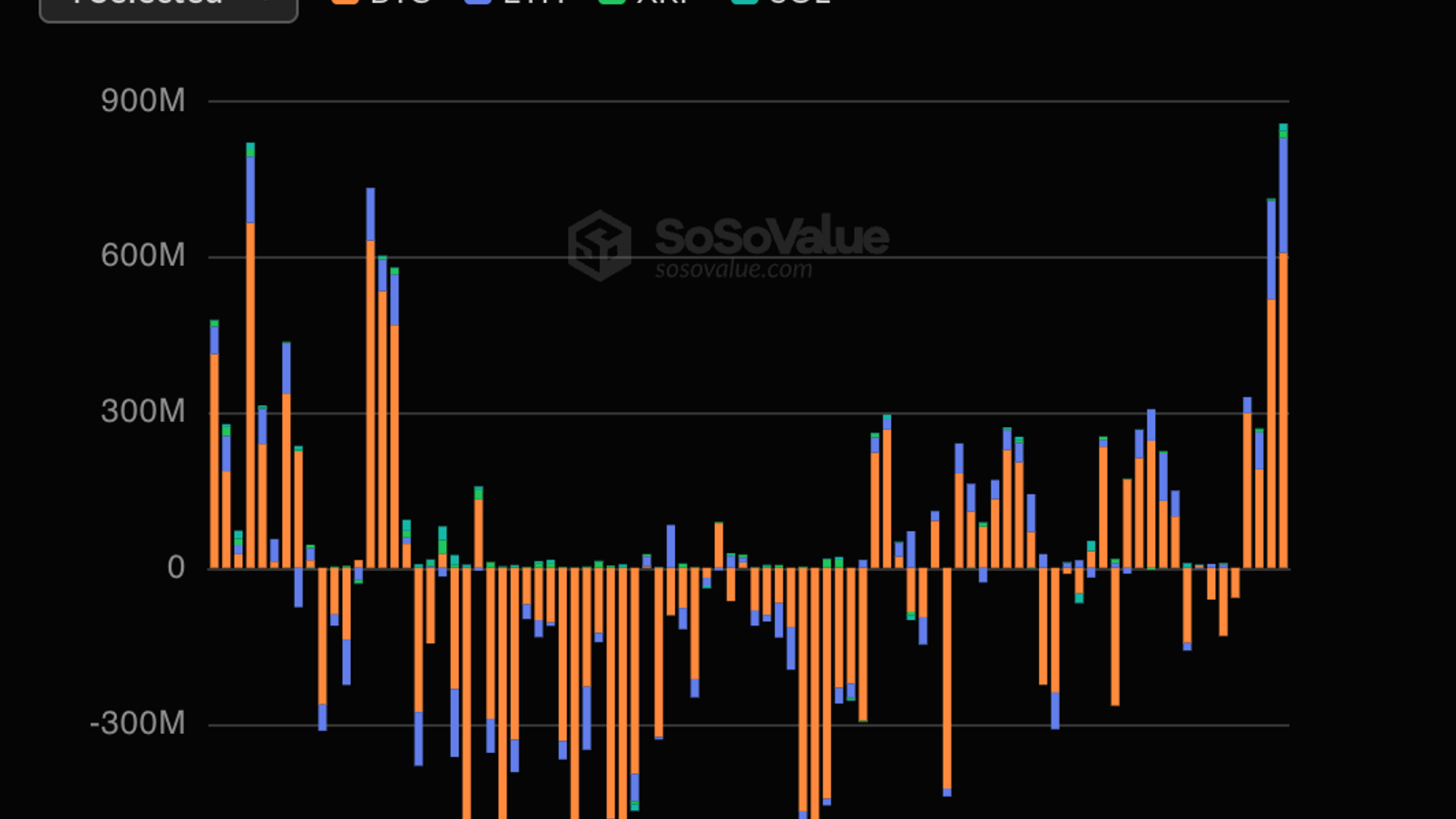
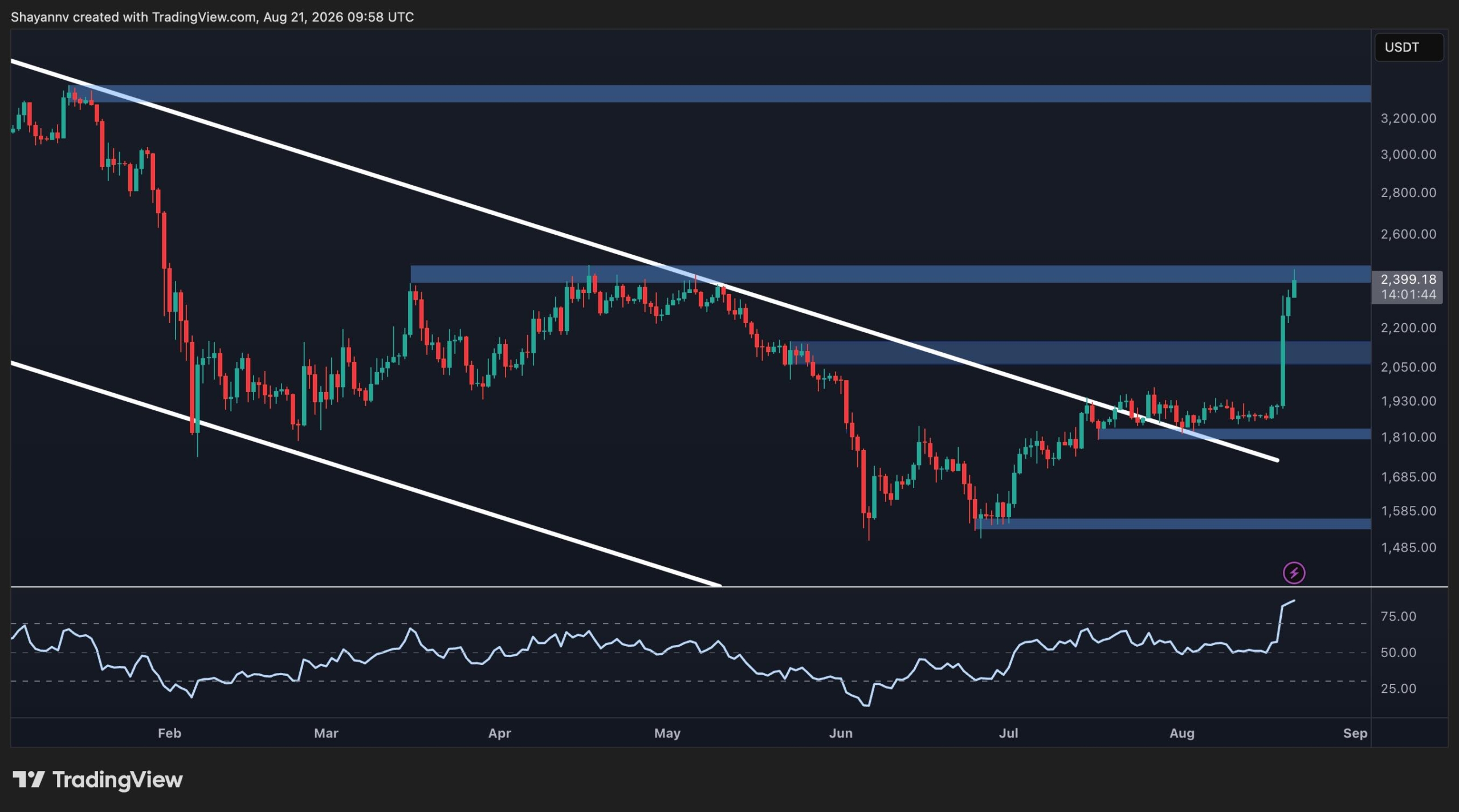
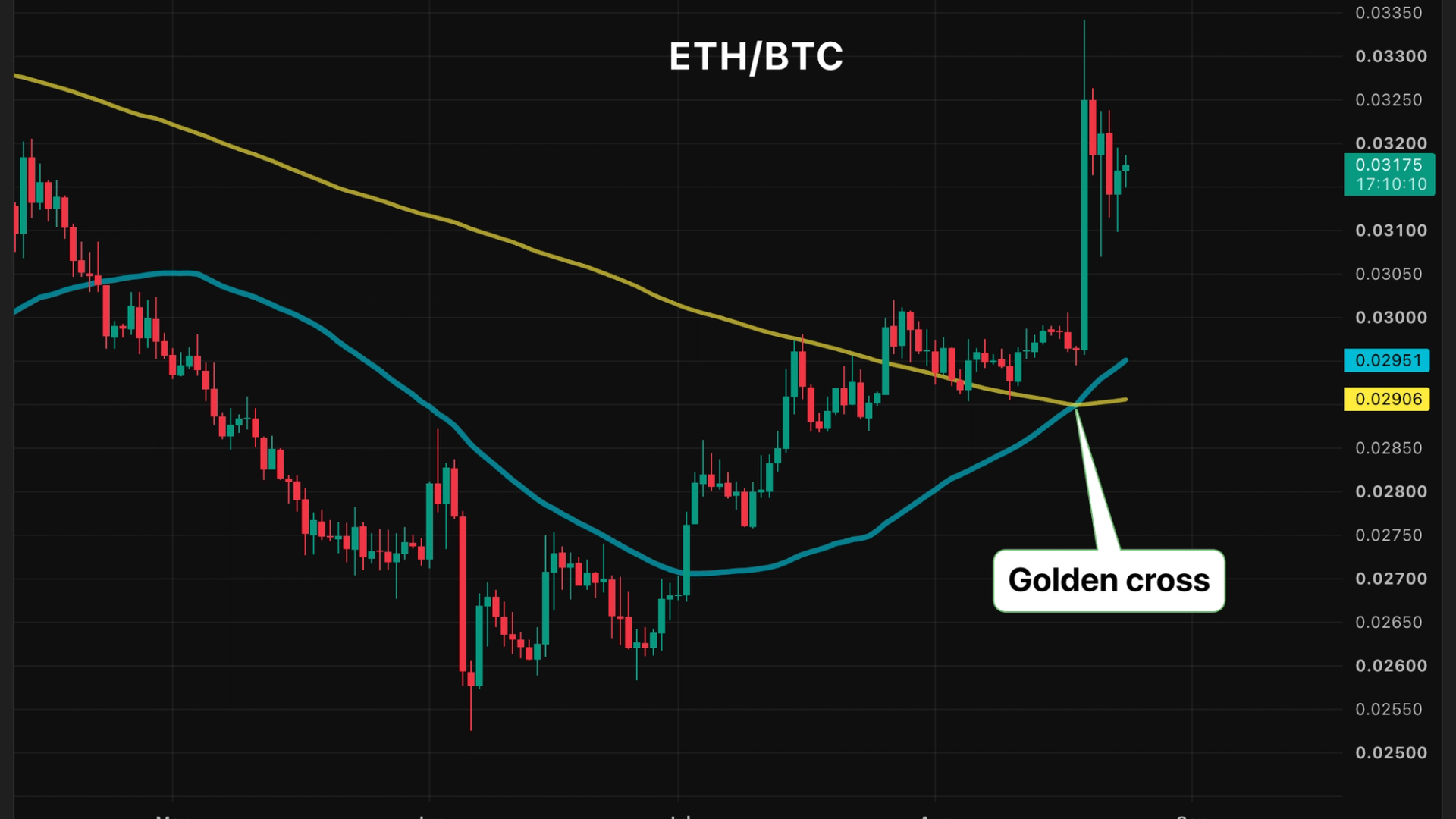
The past week has seen significant developments in the cryptocurrency market, particularly with Bitcoin and Ethereum experiencing substantial price surges. Bitcoin's price soared past $72,000, marking its first breach of this level since June, driven by a massive short squeeze that resulted in $3.67 billion in liquidations. This rally was further fueled by President Donald Trump's call for the passage of the CLARITY Act during a White House crypto event, which led to increased optimism and institutional interest, as evidenced by Bitcoin ETFs drawing in $517 million in a single day. Similarly, Ethereum also witnessed a notable price increase, with a whale offloading 5,250 ETH to Binance, locking in significant profits amid the surge. The influx of retail investor demand, as indicated by a 9% rise in small-scale Bitcoin transfer volumes, suggests a renewed interest in the crypto market from everyday investors.
In addition to the price movements, the crypto landscape saw advancements in technology and regulatory frameworks. Binance introduced Agent OS, a platform designed to integrate market intelligence and trading tools into AI workflows, enhancing the capabilities for crypto developers. Meanwhile, the SEC unveiled a major push for crypto-specific regulations under Trump's administration, proposing a rulebook that includes capital-raising exemptions and tiered disclosures. The market also observed significant activity in tokenized assets, with Swift, HSBC, and Standard Chartered completing a live interbank transaction on Swift’s blockchain-based ledger. Furthermore, the decentralized exchange Uniswap set a new record for daily token burns, highlighting the growing impact of its fee switch mechanism. These developments underscore the dynamic nature of the crypto market, with ongoing technological innovations and regulatory efforts shaping its future trajectory.