
By: Muhammad Fahad, Peshawar Bannu
This study evaluates the suitability of Kuldana Formation limestone from Nammal Gorge, Salt Range–Potwar Basin, Pakistan, for construction and asphalt pavement applications through integrated petrog...


There’s engineering behind everything we do every day. But how do you communicate complex and wonderful innovations to the everyday user? Engineering PR helps you tell your story and build thought leadership that shows off the genius of what you do. Below you’ll find ideas, journalists, and publications that will help you jump start your engineering PR strategy.

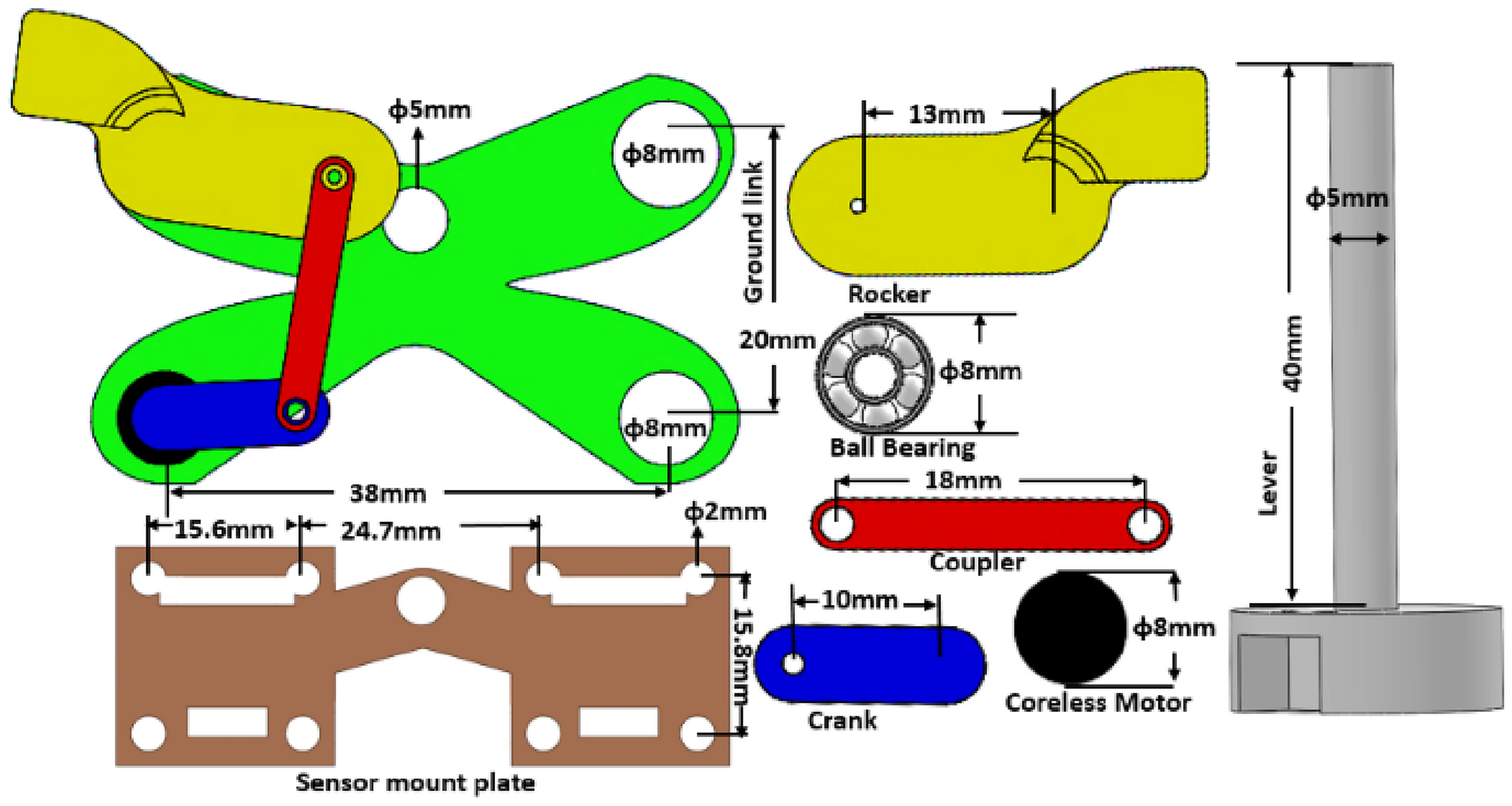
In the past week, several engineering-related articles have highlighted significant advancements and trends in the fields of robotics, aerospace, and construction. A notable development in robotics is the creation of a new soft sensor that allows robots to detect touch and react instantly without the need for electronics, marking a significant step forward in the field of soft robotics. This innovation could enhance the capabilities of robots in various applications, including minimally invasive surgery and deep-sea exploration. Additionally, the U.S. Navy's MQ-25A Stingray, an autonomous carrier-based refueling drone, completed its second test flight, advancing its development and showcasing the growing trend of integrating unmanned systems into military operations. Meanwhile, the construction sector is seeing a push towards AI-powered tools, as evidenced by Buildcheck's $5.9 million seed funding to enhance its AI-driven construction design review platform, which aims to improve project accuracy and efficiency.
In the realm of aerospace and materials engineering, there is a strong focus on developing technologies for space exploration and sustainable energy. Researchers are exploring self-healing composites to extend the lifespan of reusable spacecraft, addressing the challenge of maintaining lightweight structures under extreme conditions. This aligns with the broader trend of advancing materials for long-term space missions, such as NASA's plans for a Moon Base. In the energy sector, Bosch has begun producing silicon carbide semiconductor chips in the U.S., supported by significant funding to boost domestic manufacturing capabilities. Additionally, a new perovskite-organic tandem solar cell has achieved a record-breaking efficiency, highlighting ongoing efforts to enhance solar energy technologies. These developments reflect a concerted effort to innovate in materials science and energy solutions, aiming to meet the demands of future space exploration and sustainable energy needs.
Preston Insights are generated by our in-house AI models. Our models are designed by experts to analyze and summarize thousands of current articles from our database on the topic of this page. We've selected articles from top-tier, US publications, and top niche publications for each industry. The results are up-to-date and manually verified by PR experts.
Preston Insights are generated by our in-house AI models. Our models are designed by experts to analyze and summarize hundreds of current articles from our database on the topic of this page. We've selected articles by top-tier, US publications, and top niche publications for each industry. The results are up-to-date and manually verified by PR experts.