
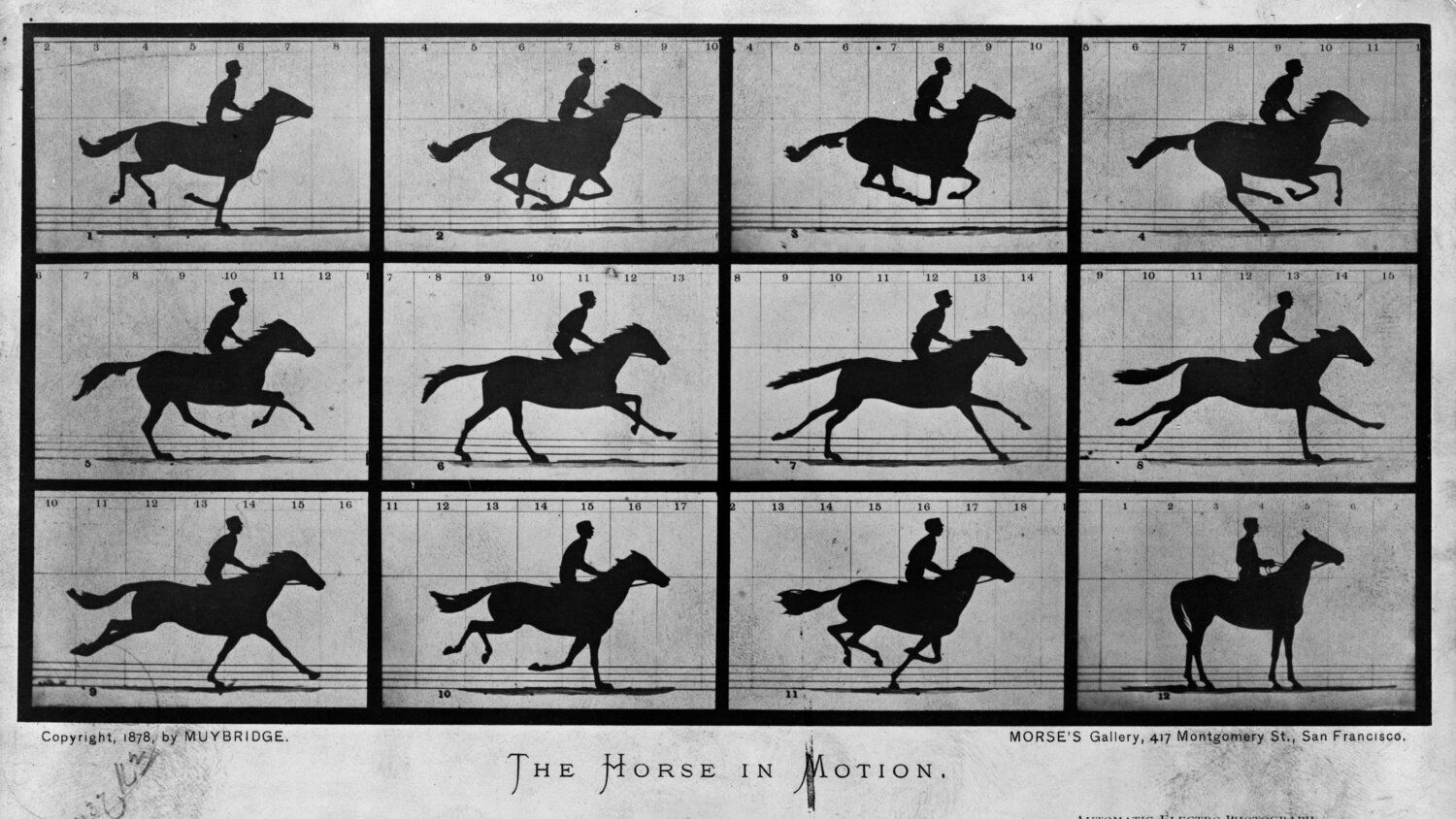
Every photographer has, at some point, wished that their gear could do something it simply can't. You suddenly crave a shutter speed fast enough to freeze a hummingbird's wing, or a trigger quick enou...
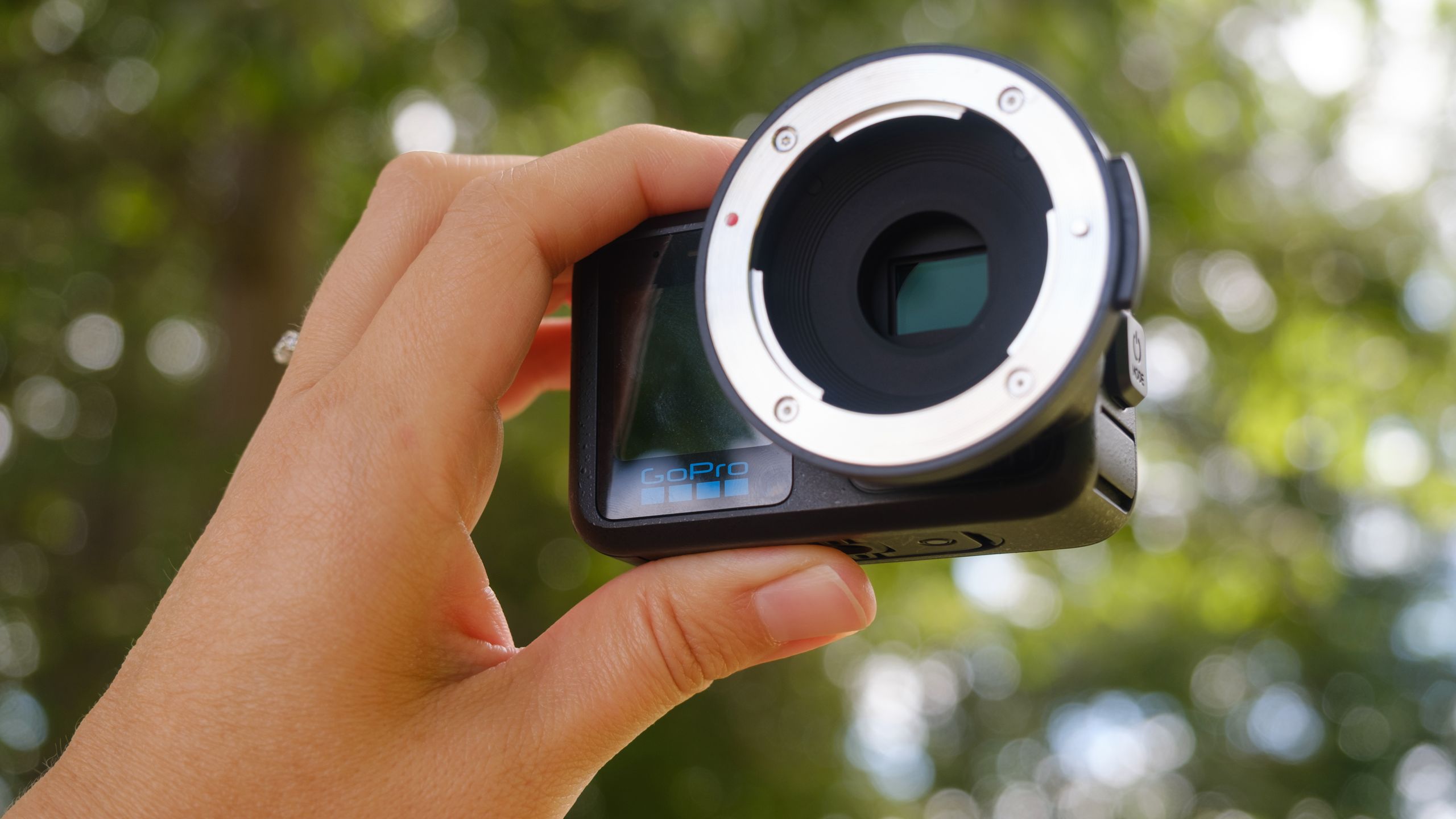
In the recent week, several articles have highlighted the evolving landscape of photography, with a particular focus on technological advancements and market trends. The introduction of innovative products like the Oppo Hasselblad 300mm Explorer Teleconverter lens and the Sony A7R IVA mirrorless camera demonstrates a commitment to enhancing image quality and pushing the boundaries of camera technology. The Oppo lens, despite its niche market appeal, signifies a statement of intent towards uncompromising camera phone image quality, while the Sony A7R IVA, now more affordable, offers next-gen sensor technology that rivals medium format cameras. These developments underscore a trend where manufacturers are increasingly prioritizing high-resolution and versatile imaging capabilities to cater to both professional photographers and enthusiasts.
Another significant trend is the growing discourse around the use of AI in photography and its implications on the industry. Articles have discussed the controversial use of AI-generated content to market cameras, which some view as a departure from traditional photography values. Additionally, the emergence of AI-generated images, such as those depicting fictional scenarios like the 'Cat in the Hat Serial Killer,' raises questions about authenticity and the role of AI in creative processes. Meanwhile, the photography community continues to explore new techniques and equipment, as seen in the review of Moment's T-Series II lenses for iPhone, which suggests a shift towards enhancing mobile photography. These discussions reflect a broader conversation about the balance between technological innovation and maintaining the integrity of photographic art.