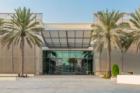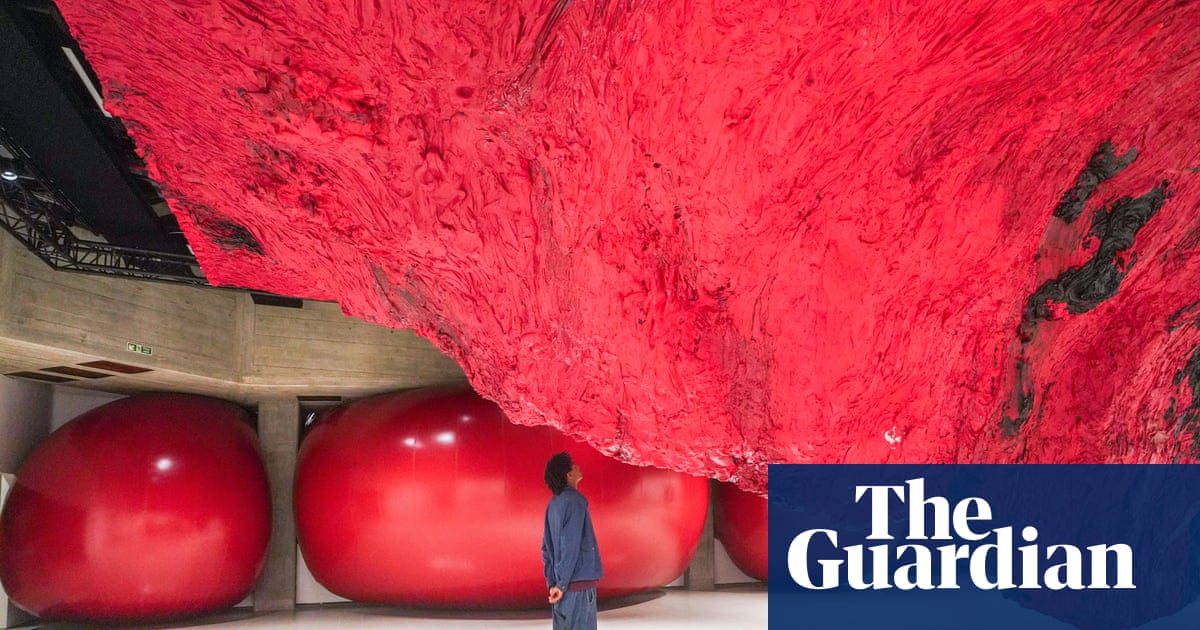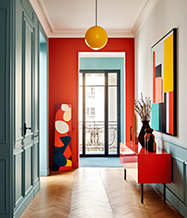

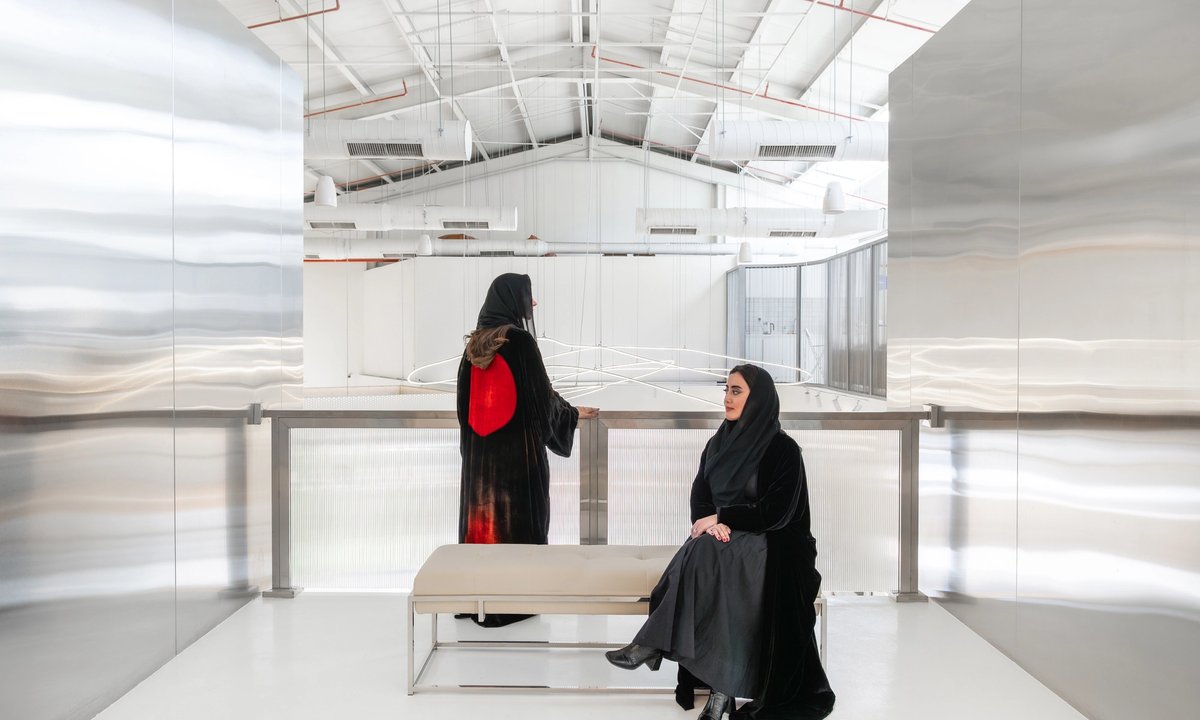
Lift, a hybrid exhibition, co-working and concept shop space, has opened in JAX, the pedestrianised cultural district on the outskirts of Riyadh.“I wanted Lift to be more than a traditional galler...
In the past week, several notable art events and exhibitions have captured the attention of the art world. The Gwangju Biennale has been a focal point, with 36 artists and curators publishing an open letter to protest the renaming of the Taiwanese pavilion, raising concerns of censorship. Meanwhile, the Frieze Seoul art fair is highlighted for its unique positioning within Korea's vibrant art scene, coinciding with the Gwangju and Busan Biennials, further cementing South Korea's status as a significant player in the international art circuit. Additionally, the Helsinki Biennial announced its theme for the 2027 edition, "Unknowns," which aims to explore humanity's historical capacity for wonder and the myths and systems developed to understand the natural world.
Several exhibitions have also made headlines, showcasing diverse artistic expressions and themes. The Museum of Modern Art's retrospective of Marcel Duchamp, which is drawing to a close, has been a significant event, offering a comprehensive look at the artist's influential work. In Vienna, Mire Lee's exhibition "The Heart of My Machine is Golden Lead" at Secession explores the poetics of industrial materials through installations that embody systemic failure. Meanwhile, the 59th Carnegie International in Pittsburgh, titled "If the word we," focuses on collective forms of working and living, emphasizing collaboration among artists and cultural practitioners. These exhibitions reflect a broader trend in the art world towards exploring complex themes of identity, history, and the interplay between humanity and the environment.