By: Pontificia Universidad Javeriana, Ligia Patricia, Gómez Medina, Oscar Mauricio, Ana María


Not enough data
Ana María's articles cover a wide range of scientific topics, including medical research, technology, and music. Her writing often incorporates data citation and industry-specific content.
Given the diversity of her coverage, Ana María is likely to be interested in pitches that offer unique insights or access to experts within these scientific fields. She may also appreciate pitches that incorporate relevant data or provide an industry-specific angle on technological advancements or medical breakthroughs.
Since she covers diverse scientific themes with no specific geographic focus mentioned, consider tailoring your pitch based on the specific topic being covered in order to align with her varied interests.
This information evolves through artificial intelligence and human feedback. Improve this profile .

By: Pontificia Universidad Javeriana, Ligia Patricia, Gómez Medina, Oscar Mauricio, Ana María

By: Ana María
Aleida Rosquete-Estevez Júlia Crespin Luis Yubero Ana María Mancho and Marta Umbert
By: S, Ana María, Emily, Dana, Ron, Dawna, Derek, Stephanie, Ryan, Marissa, Darlene, Randy, J, Becki, Johnny, Susie, Stuart, Elwood, Kevin, Cg, Talia, Joan, Josie, Jill, Robert, Rene, Allison, George, Amy, Monica, Gabriel, Daniel, Lu, Arturo, Lauren, Daphne, Lillian, Philomena, Doran
Want to find out more about Outdoorsy’s RV and camper rentals? Get info on rental costs and availability and read real consumer reviews with ConsumerAffairs.
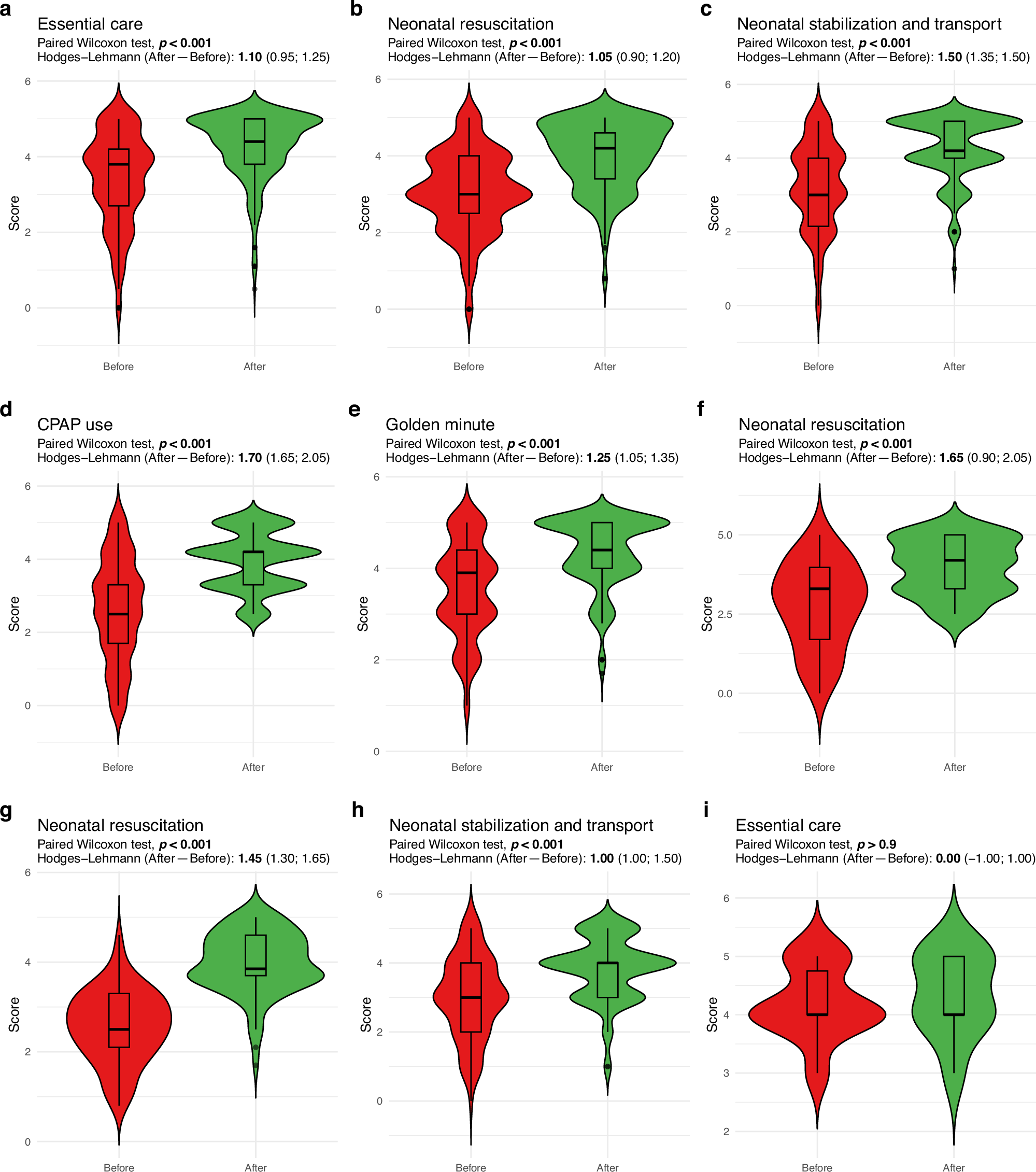
By: María Cristina, Yhan Carlos, Ana María, Gómez Vásquez, Ballesteros Castro, Villota Gonzalez, Mancera Martínez, Andrea Melissa, Gutiérrez Echeverri, Moreno Arias, Juan Sebastián, Johan Sebastián, Aldana Vallej
The reduction of the perinatal and late neonatal mortality ratio (PNR) is a universal indicator of development.
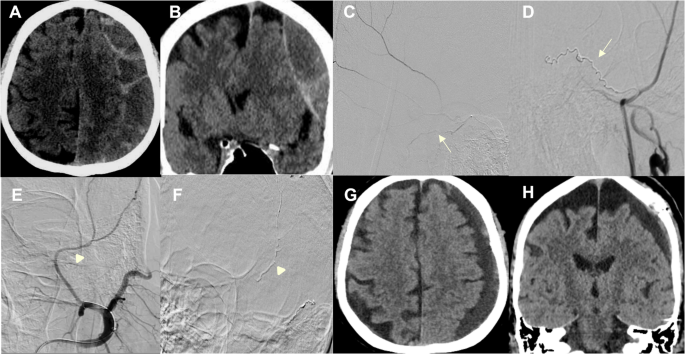
By: Laura, Ana María, Camilo, Vasquez, Chía, Valentina, Roa, Acosta, Bogotá, C. Alejandro, José Rodrigo, Sergio, Olarte, Carlos, Brunno, Bucaramanga, Andrés, Mantilla, Luzardo-Neira, Daniel, Cali, Yeisson Esteban, Mejía, Andrés Felipe, Oliverio, Mauricio, Vargas, Oscar Eduardo, Micxael, Luis Carlos Sarmiento Angulo, Carlos Andrés, Juan Andrés, Montoya, Rendón
Non-acute subdural hematomas (naSDH), encompassing subacute and chronic subdural hematomas, are a common neurosurgical condition in older adults with substantial recurrence rates after treatment. Management has become increasingly multimodal, combining surgical and endovascular strategies; however, the influence of clinical, radiological, surgical and technical factors on recurrence and reintervention remains under investigation. We conducted a retrospective multicenter cohort study including patients from six high-complexity neurosurgical and neurointerventional referral centers in Colombia between January 2023 and June 2025. Adult patients with symptomatic non-acute subdural hematoma confirmed by CT were included. Hematomas were managed with surgery alone, combined surgery and middle meningeal artery embolization, or embolization alone. Recurrence and reintervention were evaluated as outcomes. Univariable and multivariable logistic regression analyses were performed to identify factors associated with the primary outcomes. A total of 247 naSDH were analyzed. Recurrence occurred in 51 hematomas (20.6%) and reintervention in 44 (17.8%). In multivariable analysis, smoking (OR 9.59, 95% CI 1.93–47.52), hypertension (OR 5.23, 95% CI 1.14–23.93), increasing age (OR 1.07, 95% CI 1.00–1.16), and greater hematoma thickness (OR 1.20, 95% CI 1.05–1.37) were independently associated with recurrence. Combined surgery with embolization was associated with reduced recurrence (OR 0.44, 95% CI 0.22–0.88). Among surgical variables, post-drain pneumocephalus significantly increased recurrence risk (OR 13.32, 95% CI 2.83–62.65), whereas longer durostomy drainage duration reduced the recurrence (OR 0.51, 95% CI 0.30–0.85). Endovascular technical factors were not independently associated with recurrence. Clinical factors showed the strongest association with recurrence. Combined surgery and embolization showed a protective association, while postoperative pneumocephalus and drainage duration significantly influenced possible outcomes.
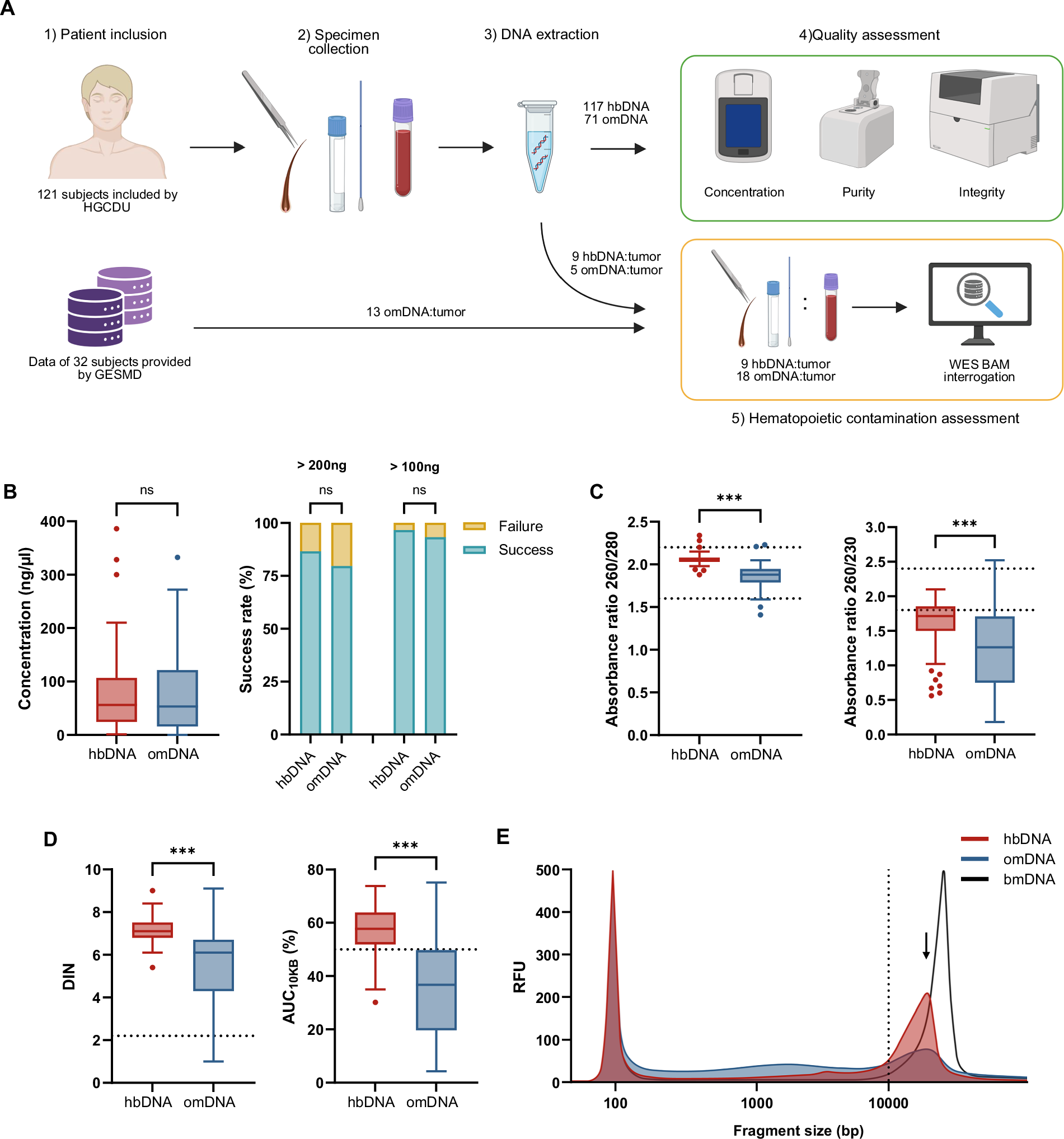
By: Tzu Hua, Ana María, Josep Carreras Leukaemia, Maria Julia, Universitario Morales Meseguer, María Jesús, Del Rey, Universitari Vall, Sanchez-Morales, Myeloid Malignancies, Chen-Liang
Germline predisposition plays a major role in hematologic neoplasms (HNs), with pathogenic or likely-pathogenic (P/LP) germline variants identified
By: Ana María, Juan Carlos
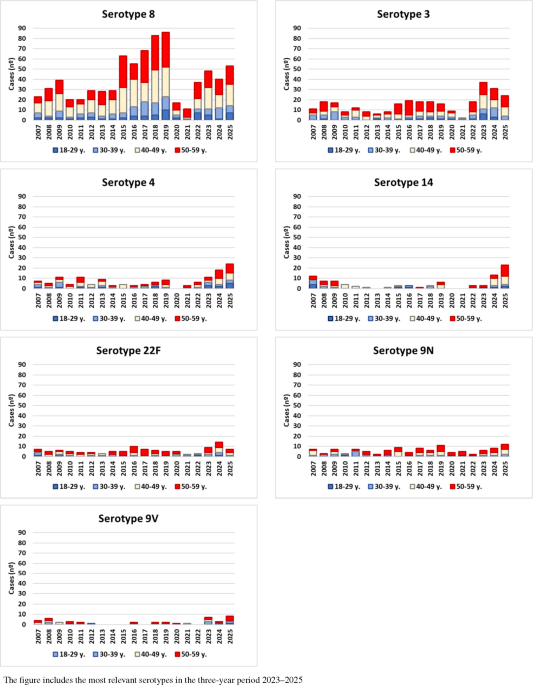
Abstract Introduction Vaccination programmes against invasive pneumococcal disease (IPD) for adults aged 18–59 years in the Community
By: Ingeniería Bioquímica, Luz-Crawford, Fundación Ciencia, Ana María, Lara-Barba, María Pa
Abstract Background Osteoarthritis (OA) is a leading cause of disability worldwide, driven by the complex interplay of aging, obesity, and

By: Ana María, Isabel Cristina, Andrea Johanna Andrea, Ana Laura
by Andrea Johanna Andrea Báez and Ana Laura Di Virgilio
By: Juan Carlos, Ana María
by Ana María Solano-Mulero Juan Carlos García-Benítez Lucas Cano-Calabria and