
By: Carlos Alberto, Mariana Ferreira, Souza Costa, Isabela Massaro, Joao Moura, Taisa Nogueira, Fernanda Gonçalves
by Joao Moura Neto Larrisa M. S. C. Raucci Isabela Massaro Ribeiro and Fernanda Gonçalves Basso


Not enough data
Carlos Alberto's coverage is predominantly focused on sports, particularly chess tournaments. However, he also covers a diverse range of scientific topics such as medical research, antioxidants, and electronic health records.
If you are looking to reach out to Carlos with relevant pitches or expertise in these areas, consider offering insights into the latest developments in chess tournaments or advancements in medical research. Additionally, if your pitch involves data analysis or announcements related to these subjects, it could align well with his coverage style.
Given that his geographic focus is local (United Kingdom, London), providing information related to events or developments within this region may increase the relevance of your pitch.
This information evolves through artificial intelligence and human feedback. Improve this profile .

By: Carlos Alberto, Mariana Ferreira, Souza Costa, Isabela Massaro, Joao Moura, Taisa Nogueira, Fernanda Gonçalves
by Joao Moura Neto Larrisa M. S. C. Raucci Isabela Massaro Ribeiro and Fernanda Gonçalves Basso
By: Silvia Regina, Alcides Euzebio Tavares, Luiz Gonzaga, Elvis Terci, De Paula Queiroz, Luis Fernando Peinado, Jonas José, Carlos Alberto, Porto Alegre, José Andres, Pablo Shimaoka, Da Silva, Da Silva Pereira, Manuela Eduarda, Eduardo Afonso, Marina Ferreira, Rosane Gomes, Baptistella, Jéssica Oliveira, Mariane Minussi, Ribeirão Preto
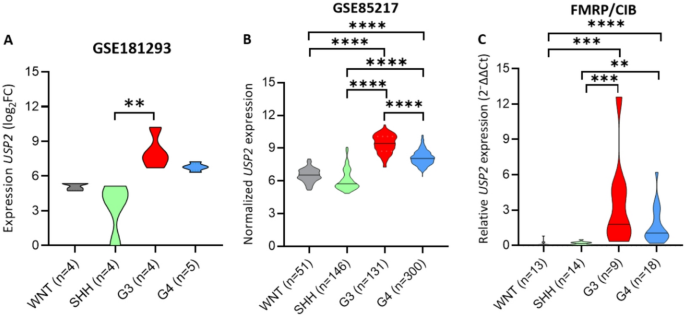
Medulloblastoma (MB), the most common malignant pediatric brain tumor, is classified into four molecular groups: WNT, SHH, G3, and G4. G3 and G4 MBs are characterized by poor prognosis and high metastatic potential. Although USP2 (ubiquitin-specific peptidase 2) has been described as a prognostic biomarker and a promising therapeutic target in several cancer types, its role in the pathogenesis of G3 and G4 MBs remains unexplored. In this study, USP2 expression was investigated through in silico analyses, public datasets (GSE85217), and tumor samples from 54 pediatric MB patients. In addition, the effects of USP2 inhibition were evaluated in two G3/G4 MB cell lines (D283 Med and USP-13) using ML364, a selective USP2 inhibitor. USP2 was overexpressed in G3 and G4 MBs and was associated with metastasis and unfavorable clinical outcomes. Furthermore, ML364 treatment reduced USP2 protein expression level, as well as cell viability, migration, invasion, and colony-forming capacity in both cell lines. These findings indicate that USP2 is upregulated in pediatric G3 and G4 MBs and support its potential role as a biomarker of poor prognosis and a therapeutic target in these molecular subgroups.
By: Narváez Tovar, Camilo Andrés, Edgar Espejo, Alejandro, García Rodríguez, Nick Harritson, Carlos Alberto, Pérez Jiménez, Meza, Marco Antonio
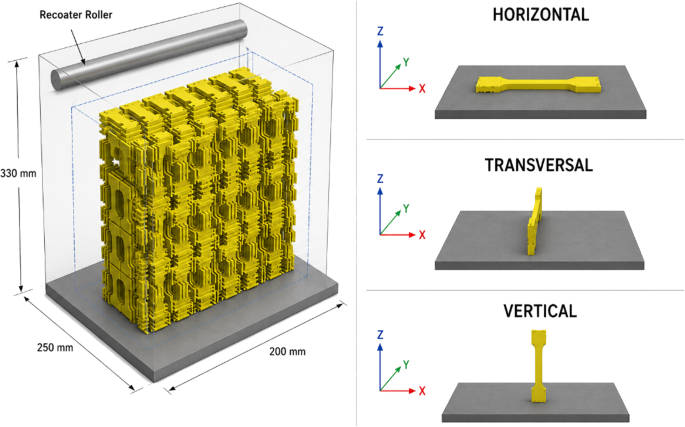
The orange-peel phenomenon in selective laser sintering (SLS) of polyamide 12 (PA12), commonly associated with powder reuse and thermal degradation, is typically regarded as a surface defect leading to partial rejection. However, its influence on tensile performance, dimensional accuracy, and fracture behavior remains insufficiently understood. In this study, the combined effects of build orientation (horizontal, transverse, and vertical) and wall thickness (2.0, 2.5, and 3.0 mm) on the dimensional accuracy, surface topography, mechanical behavior, and fracture morphology of SLS-manufactured PA12 samples exhibiting an orange-peel morphology were systematically investigated. Dimensional analysis revealed improved geometric consistency with increasing thickness, yet mechanical performance remained strongly orientation dependent. Horizontal and transverse samples achieved ultimate tensile strengths approaching 38 MPa and elastic moduli above 2.5 GPa at a thickness of 3.0 mm, whereas vertically constructed samples were limited to approximately 29–30 MPa and exhibited elongation at break of approximately 1.6–2.2% across all thicknesses. Statistical evaluation confirmed that build direction is the dominant factor influencing strength and ductility, whereas wall thickness primarily enhances stiffness without proportionally restoring deformation capacity in the vertical configuration. Surface topography analysis and fractographic observations suggested heterogeneous particle coalescence patterns and orientation-dependent crack propagation mechanisms. Horizontal and transverse builds exhibited cohesive fracture features with fibrillar deformation, whereas vertical specimens showed planar facets and fracture morphologies consistent with brittle-like failure. These results suggest that the orange-peel condition appears to magnify the intrinsic SLS anisotropy rather than acting solely as a superficial irregularity. Mechanical degradation under orange-peel conditions was found to be orientation sensitive and cannot be mitigated by increasing wall thickness alone. While in-plane builds may retain acceptable tensile strength under recycled powder conditions, vertically oriented components exhibit persistent ductility loss and potentially reduced mechanical robustness. These findings provide preliminary experimental guidance for the controlled use of recycled PA12 powder in SLS manufacturing.
By: Carlos Alberto, Roberson Borges, Renato Farias Do Valle, Fernando António Leal, Fernandes, Rodrigues, Luís Filipe Sanches
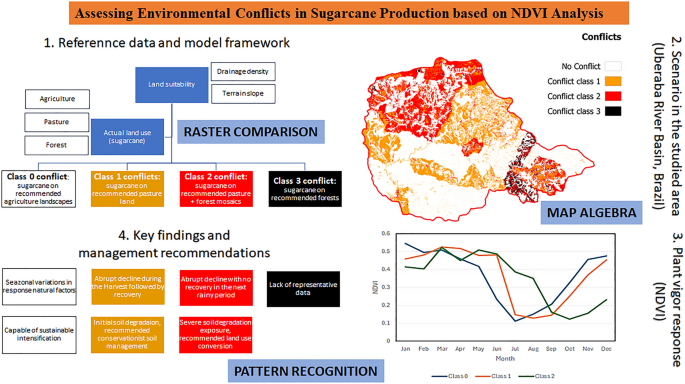
Sugarcane production is central to the Brazilian economy, but the expansion of this culture into ecologically marginal landscapes exacerbates soil degradation and compromises crop vigor. This study examines the nexus between land suitability and cultivation within the Uberaba River Basin’s Environmental Protection Area, located in the of state of Minas Gerais, Brazil. Additionally, the impacts of environmental land-use conflicts were assessed on vegetative health by analyzing temporal Normalized Difference Vegetation Index (NDVI) dynamics, specifically cultivating unsuitable terrain. The environmental conflict classification system used in this study comprises four classes (Class 0 – no conflict; Class 1 – low conflict; Class 2 – moderate conflict; Class 3 – high conflict), as published elsewhere. However, the temporal analysis of NDVI spanned solely Classes 0, 1 and 2, given the absence of continuous areas of sugarcane in Class 3 that simultaneously exhibited spatial homogeneity, equivalent phenological stage across the studied period, and adequate size for reliable statistical comparison. A total of 3,600 NDVI observations were sampled monthly throughout the year of 2023. In conflict-free zones (Class 0), sugarcane exhibited smooth seasonal NDVI variations, reflecting normal climatic responses. Conversely, low-conflict areas (Class 1) showed sharp NDVI declines during dry or post-harvest periods due to water stress and soil limitations. In these zones, spring regrowth was driven by rising temperatures and nutrient availability, whereas summer vigor was constrained by moisture deficits and thermal stress. The most critical behavior occurred in moderate-conflict areas (Class 2), which demonstrated incomplete NDVI recovery that probably indicates structural soil degradation. Results demonstrate that sugarcane vigor stability and recovery progressively decline as environmental conflict intensity increases. Advancing beyond traditional NDVI monitoring, this framework integrates spectral analysis, land suitability, and conflict mapping. Consequently, it provides a robust tool to identify degradation and support sustainable agricultural planning. Graphical Abstract Based on the graphical snapshot, this study was conducted to determine the variation patterns of NDVI – Normalized Difference Vegetation Index emitted from sugarcane fields of Uberaba River Basin’s Environmental Protection Area (EPA, Minas Gerais, Brazil) throughout the course of an entire year. The work captured the complex interplay between these patterns and so called “environmental land use conflicts” defined as deviations of actual from suitable (natural) uses. It has become apparent from the NDVI plots that when no deviations occur (e.g., sugarcane has been planted in landscapes with resilience to receive agriculture activities), the NDVI oscillates smoothly across the year, revealing normal high values in the rainy season and low values in the dry season. However, when sugarcane has been planted on marginal landscapes (e.g., with steeper slopes or drainage densities) the NDVI declines sharply in the dry season or after the harvest, with limited or no recovery in the next rainy season. These patterns have been related to different levels of soil degradation beneath the sugarcane plantations, derived from the land use misalignment, as well as with specific soil recovery measures. The findings offer critical insights for policymakers and stakeholders in developing comprehensive resource allocation and landscape planning frameworks.
By: Carlos Alberto, Alexis Perez, Marcelo Tatit, Paulo Schiavom, São Paulo Fmusp, Monique Beraldo
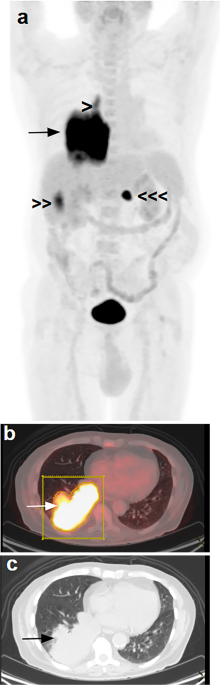
Abstract Purpose To evaluate the prognostic value of F-FDG PET/CT metabolic parameters—specifically SUV, MTV, and TLG—integrated

By: Marlene Lariza, Christian Javier, Leticia, Medellín-Banda, Carlos Alberto, Andrade-Guel, Ávila-Orta, Diana Iris, Melo-López, Cabello-Alvarado
The development of polymeric composites based on polymers and functional particles has led to a new class of materials with properties relevant to different applications, including electrical conductivity and environmental protection. The synthetic polymers most...
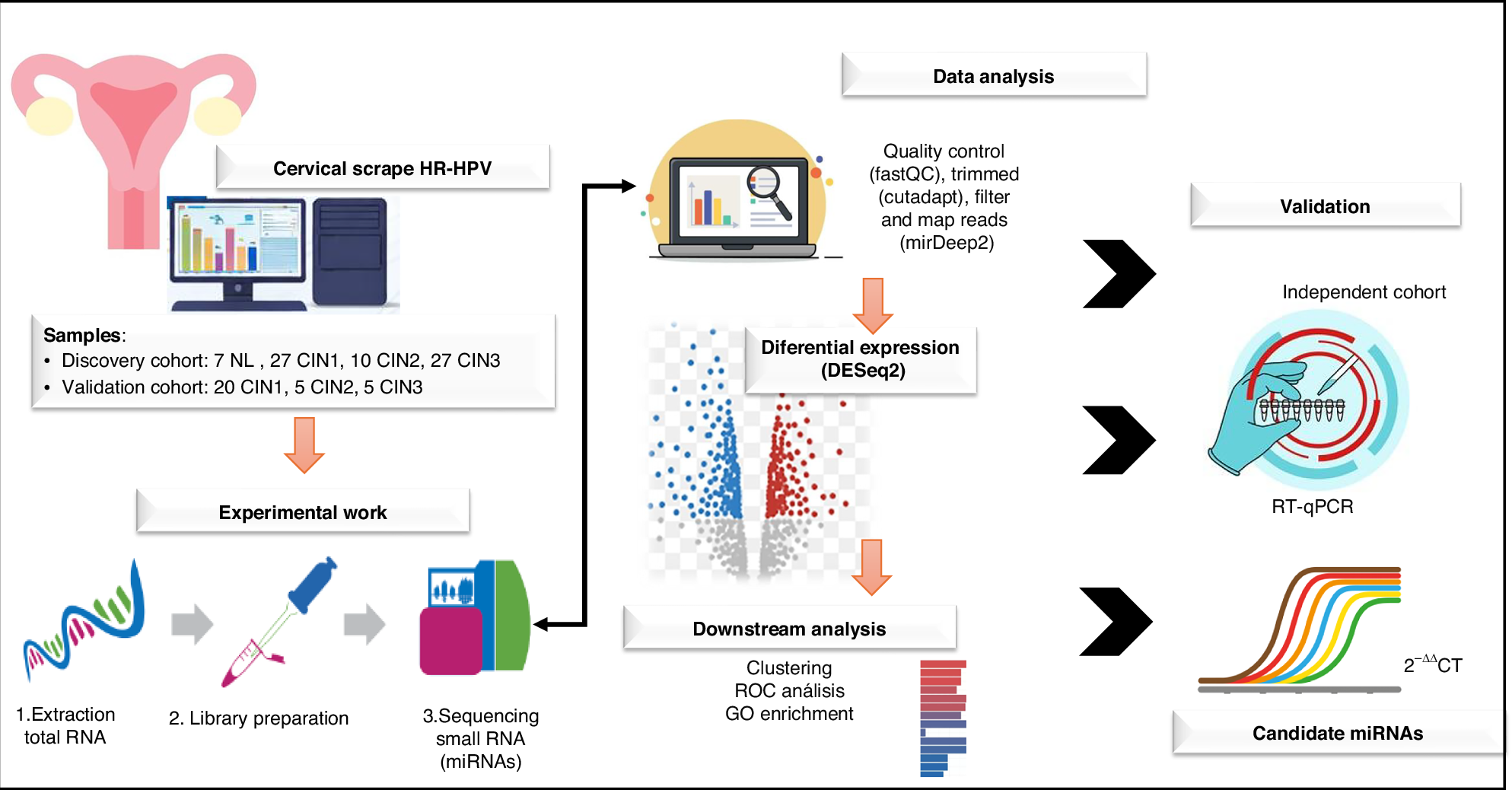
By: Carlos Alberto, López Kleine, Lidy Vannessa, Rodríguez García, Mejia Guarnizo
Cervical cancer (CC) is the fourth leading cause of cancer death in women worldwide. High-risk human papillomavirus (HR-HPV) testing is highly
By: Ingeniería Química, Carlos Alberto
Eight edible oils of Ecuadorian origin underwent Differential Scanning Calorimetry (DSC) analysis to investigate their oxidation kinetics and oxidative stability parameters.
Autores: María Leal Carlos Alberto da Costa Silva Localización: Revista eclesiástica brasileira ISSN Vol. 86, Fasc. 334, 2026 págs.

By: Durval Dourado, Suelen Alves, Caroline Bertocco, Carlos Alberto, Kauanne Karolline Moreno, Acelen Renováveis, José Baldin, João Victor, Diego Mauricio, Igor Araujo Santos, Maria Imaculada, Carlos Augusto, Thiago Deomar
Acrocomia aculeata (macaúba) is an oil-producing palm with high potential for sustainable bioenergy in tropical regions.