



By: Silvia, Pérez-Ardanaz, Peláez-Cantero, Bibiana, Suárez-Carrasco, Álvaro, León-Campos, Ana, Maria José, García-Mayor
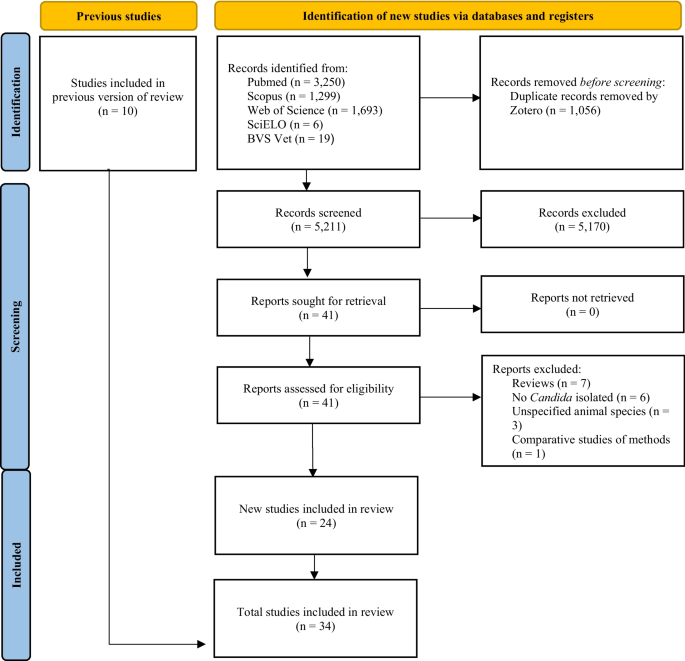
Background: Families caring for children with medical complexity (CMC) face sustained psychosocial demands that may impair health-related quality of life (HRQoL) and mental health. A clear map of how these outcomes are assessed and which factors shape them is needed to guide family-centered care. Methods: We conducted a scoping review following the Joanna Briggs Institute guidelines, and reports were prepared according to the PRISMA guidelines. Searches were conducted in PubMed, CINAHL, and EMBASE (January 2011 to December 2023) to find studies reporting on health-related quality of life (HRQoL) and/or mental health outcomes (anxiety, depression, burden) of family members and/or caregivers of CMC, including operationalization based on complex chronic condition (CCC) classifications, technology dependency, or the Pediatric Medical Complexity Algorithm (PMCA). Two reviewers independently screened records and recorded data, and the findings were synthesized narratively and thematically. Results: Sixty-seven studies met the inclusion criteria and spanned cross-sectional, cohort, case–control, pre–post and qualitative designs across conditions such as epilepsy, congenital heart disease, cerebral palsy, technology dependence and cancer. Common measures were PedsQL™ Family Impact Module, SF-36/12, HADS, Beck inventories and Zarit burden scales. Across the included studies, caregivers, predominantly mothers, frequently reported poorer HRQoL and higher levels of anxiety, depressive symptoms, or burden than comparison groups when these were available. Six recurrent themes emerged: (1) gendered caregiving with disproportionate maternal burden; (2) socio-economic gradients and financing models shaping outcomes; (3) culture, religion and spirituality as coping resources; (4) family and social support buffering distress; (5) school participation and coordinated services potentially reducing burden; and (6) interdependence between caregiver and child outcomes. Conclusions: Heterogeneous CMC definitions, outcome measures, and study designs limited comparability across studies. The mapped evidence suggests that family HRQoL and mental health outcomes are shaped by interacting clinical, social, and contextual factors. These findings may inform more family-centered and equity-oriented approaches to care. Future research should harmonize CMC definitions, standardize outcome measures, and prospectively evaluate multicomponent interventions.