

Higher energy bills this winter mean the government should step in to provide more help for households most in need, the body representing energy firms in the UK has said.Stubbornly high prices over...
The recent articles on energy highlight significant advancements and challenges in the field of renewable energy and environmental sustainability. One notable development is the innovative use of waste eggshells for arsenic removal and bacterial inactivation in contaminated water, showcasing a promising green material for water treatment. Additionally, the integration of silica fume, waste foundry sand, and polypropylene fibers in concrete is being optimized through experimental and machine learning methods to enhance tensile strength, which could improve the durability and performance of concrete structures. Another important topic is the coordination of power and electrified transportation systems using federated reinforcement learning, which addresses the challenges posed by the rapid electrification of transportation systems and their impact on regional power grids and carbon constraints.
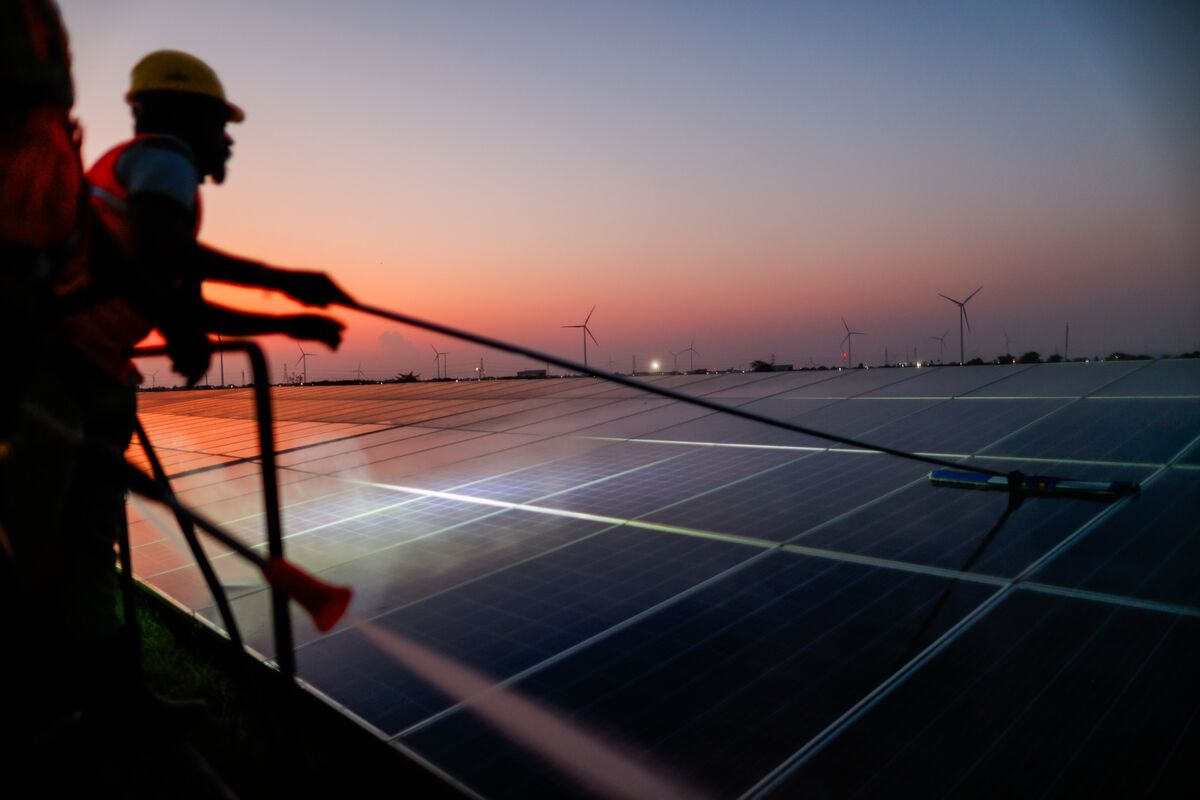
In the realm of energy infrastructure, the overhaul at Tarong power station and the construction of the Muswellbrook Solar Farm & Battery in New South Wales underscore the ongoing efforts to maintain and expand sustainable energy sources. The Muswellbrook project, in particular, combines solar power with battery storage on a former coal mine site, highlighting the transition from fossil fuels to renewable energy. Furthermore, the Welsh Government is finalizing its National Energy Strategy to establish a low carbon energy system that benefits local communities, while the FCC's updates to the Covered List for foreign-produced power inverters reflect regulatory measures to ensure energy security. These developments indicate a strong focus on innovation, sustainability, and regulatory frameworks to support the global transition to renewable energy.